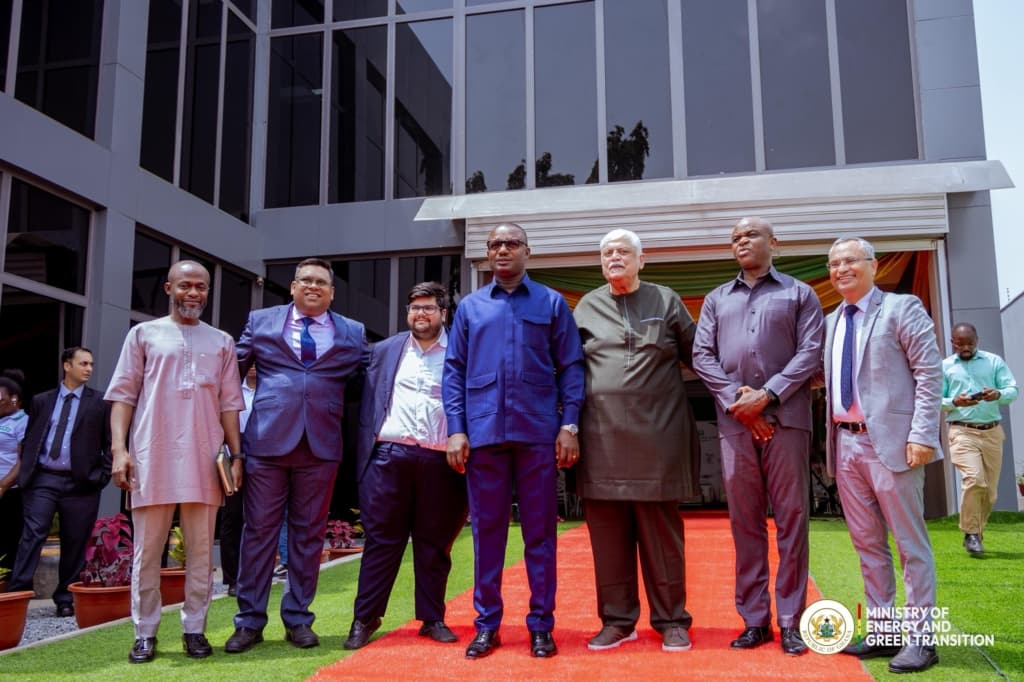
The meter manufacturing facility, which is equipped with state-of-the-art technology, has the capacity to produce a wide range of energy meters, including smart meters, prepaid meters, and post-paid meters. The plant's production capacity is expected to increase gradually, with plans to expand its operations to meet the demands of the West African sub-region. Speaking at the commissioning ceremony, Minister Jinapor emphasized the importance of the project, saying: "The commissioning of this facility is a testament to the government's efforts to promote industrialization and create jobs for our people. We are committed to providing the necessary support to businesses to enable them to grow and contribute to the country's economic development."
Boost to Ghana's Energy Sector
The commissioning of the meter manufacturing facility is seen as a significant boost to Ghana's energy sector, which has been facing challenges in recent years, including a shortage of energy meters. The new facility is expected to help address this shortage, enabling the Electricity Company of Ghana (ECG) and other power distribution companies to meet the growing demand for electricity.
"The meter manufacturing facility will help reduce the shortage of energy meters in the country, which has been a major challenge for the electricity distribution companies,"said Ing. Emmanuel Antwi-Darkwa, Chief Executive Officer of the Volta River Authority. He added that the facility will also help promote the use of prepaid meters, which are more efficient and help reduce revenue losses for the power distribution companies.
The meter manufacturing facility is also expected to contribute to the government's efforts to promote renewable energy and reduce the country's carbon footprint. The facility will produce energy meters that are compatible with renewable energy systems, such as solar and wind power, which are becoming increasingly popular in Ghana. According to Dr. Alfred Ofosu-Ahenkorah, Executive Secretary of the Energy Commission, "The meter manufacturing facility will play a critical role in promoting the use of renewable energy in Ghana. The facility will produce energy meters that are designed to work with renewable energy systems, which will help reduce the country's reliance on fossil fuels and mitigate the impact of climate change."
Job Creation and Economic Growth
The commissioning of the meter manufacturing facility is also expected to create jobs for the local population, both directly and indirectly. The facility will employ a significant number of people, including engineers, technicians, and administrative staff. Additionally, the facility will create opportunities for local businesses to supply goods and services, such as materials, equipment, and maintenance services.
"The meter manufacturing facility will create jobs for our people and stimulate economic growth in the region,"said Hon. Joseph Cudjoe, Member of Parliament for the Effia Constituency. He added that the facility will also contribute to the government's efforts to promote economic development and reduce poverty in the region.
The commissioning of the meter manufacturing facility is a significant achievement for Ghana, demonstrating the country's commitment to promoting industrialization and economic growth. The facility is expected to make a positive impact on the energy sector, creating jobs and stimulating economic growth. As the country continues to grow and develop, the meter manufacturing facility is poised to play a critical role in meeting the increasing demand for energy meters and promoting the use of renewable energy. In conclusion, the commissioning of the meter manufacturing facility marks an important milestone in Ghana's journey towards becoming a major player in the energy sector, and it is expected to have a lasting impact on the country's economic development and growth.