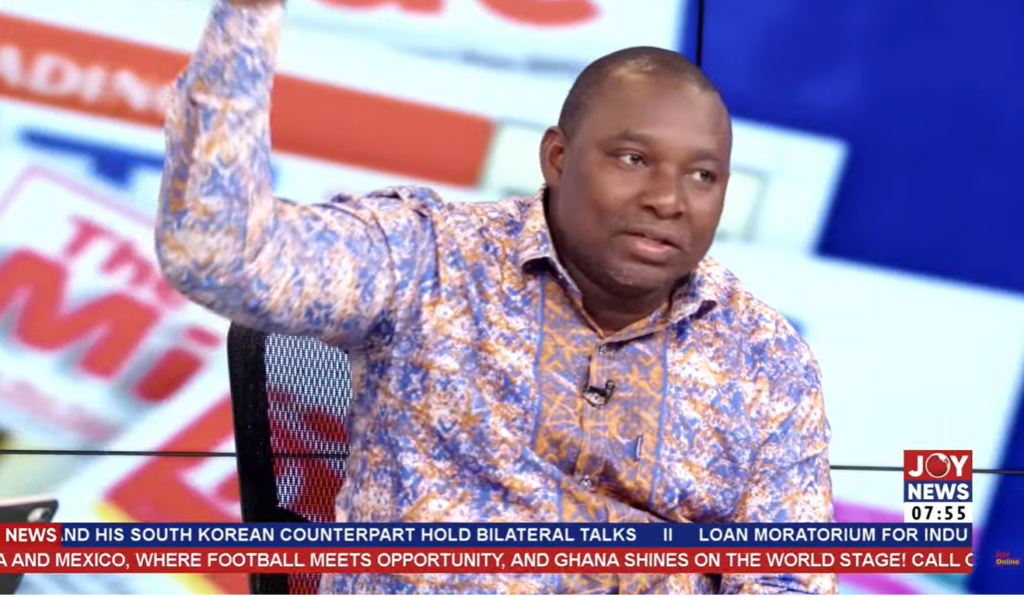
The ongoing conflict between Iran, the United States, and Israel has taken a precarious turn, with Iran's strategy of attacking Gulf states being widely criticized as misguided and potentially catastrophic. According to Solomon Owusu, Director of Communications for the United Party, Iran's current approach is not only failing to achieve its intended objectives but also risks creating more enemies in the region. This sentiment is echoed by many experts and officials, who warn that Iran's actions could have far-reaching and devastating consequences for the entire Middle East.
The conflict has been escalating over the past year, with both sides engaging in a series of tit-for-tat attacks and retaliations. Iran has been accused of targeting oil tankers and pipelines in the Gulf, as well as launching missile attacks on Saudi Arabia and the United Arab Emirates. These actions have been widely condemned by the international community, with many countries calling for restraint and diplomacy. However, Iran remains defiant, insisting that it will continue to defend its interests and sovereignty in the face of what it sees as aggression from the United States and its allies.
A Strategy of Escalation
Experts say that Iran's strategy of attacking Gulf states is a high-risk approach that is unlikely to achieve its intended goals. Dr. Sanam Vakil, a Middle East expert at the Chatham House think tank, notes that "Iran's actions are not only damaging its relationships with its neighbors but also undermining its own economy and security. By targeting oil tankers and pipelines, Iran is disrupting the global energy market and creating uncertainty and instability in the region." She adds that "this approach is also likely to provoke a strong response from the United States and its allies, which could lead to further escalation and conflict."
"Iran's strategy is a classic example of a self-inflicted wound," says Dr. Vakil. "By attacking Gulf states, Iran is creating more enemies and undermining its own position in the region. This approach is not only misguided but also potentially catastrophic, as it could lead to a wider conflict that would have devastating consequences for the entire Middle East."
Regional Implications
The implications of Iran's strategy are far-reaching and could have significant consequences for the entire region. Ambassador Dennis Ross, a former U.S. envoy to the Middle East, warns that "Iran's actions could lead to a wider conflict that would draw in other countries and have devastating consequences for the region. The United States and its allies must be prepared to respond to any further aggression from Iran, while also working to find a diplomatic solution to the conflict." He adds that "the international community must also play a role in preventing further escalation and promoting a peaceful resolution to the conflict."
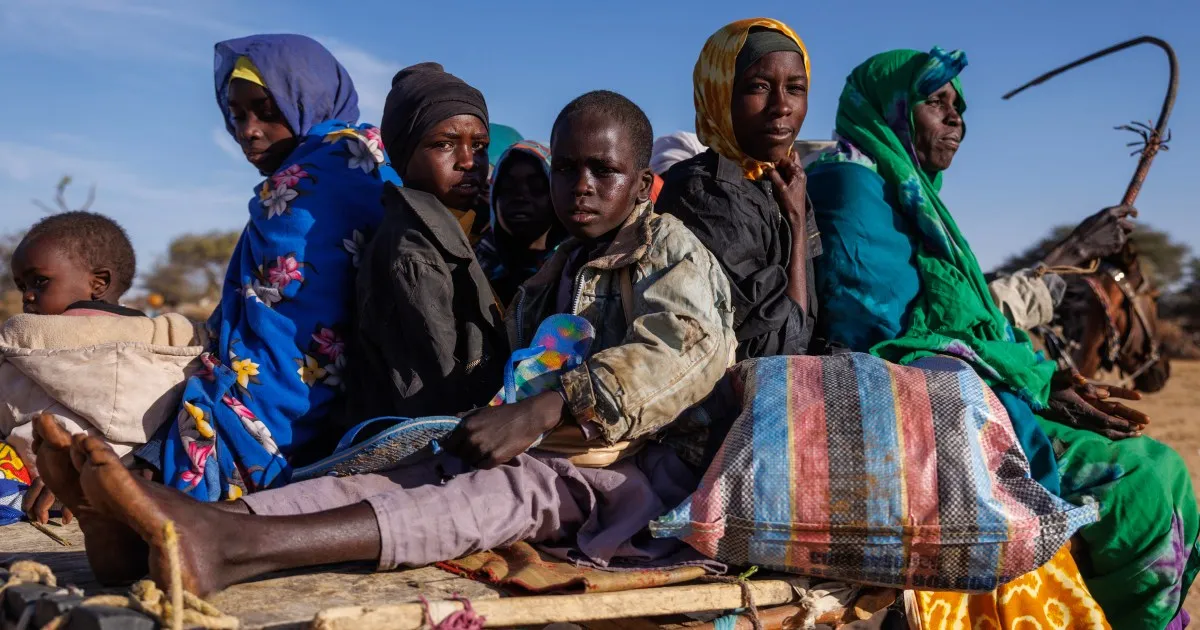
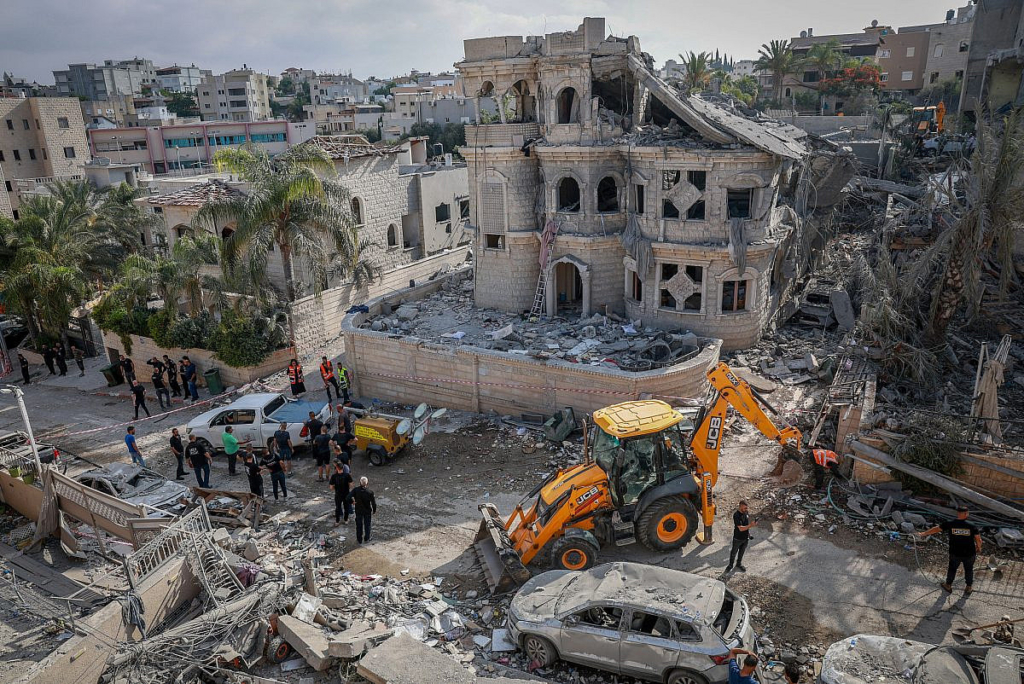
The conflict has already had significant economic and humanitarian consequences for the region. The disruption to the global energy market has led to increased oil prices and economic uncertainty, while the humanitarian consequences of the conflict have been devastating. Thousands of people have been displaced, and many more have been killed or injured in the fighting.
A Path Forward
Despite the challenges and complexities of the conflict, there are still opportunities for a diplomatic solution. Dr. Trita Parsi, a Middle East expert and founder of the National Iranian American Council, notes that "the United States and Iran have a long history of conflict, but they also have a long history of diplomacy. There are still opportunities for a negotiated settlement, but it will require both sides to be willing to compromise and find common ground." He adds that "the international community must also play a role in promoting a peaceful resolution to the conflict, by encouraging diplomacy and restraint from all parties involved."
In conclusion, Iran's strategy of attacking Gulf states is a misguided and potentially catastrophic approach that risks creating more enemies in the region. The international community must work together to prevent further escalation and promote a peaceful resolution to the conflict. As Solomon Owusu notes, "Iran's current strategy is not only failing to achieve its intended objectives but also risks creating more enemies in the region. It is time for Iran to rethink its approach and work towards a diplomatic solution that promotes peace and stability in the region." The future of the Middle East hangs in the balance, and it is imperative that all parties involved work towards a peaceful and diplomatic solution to the conflict.