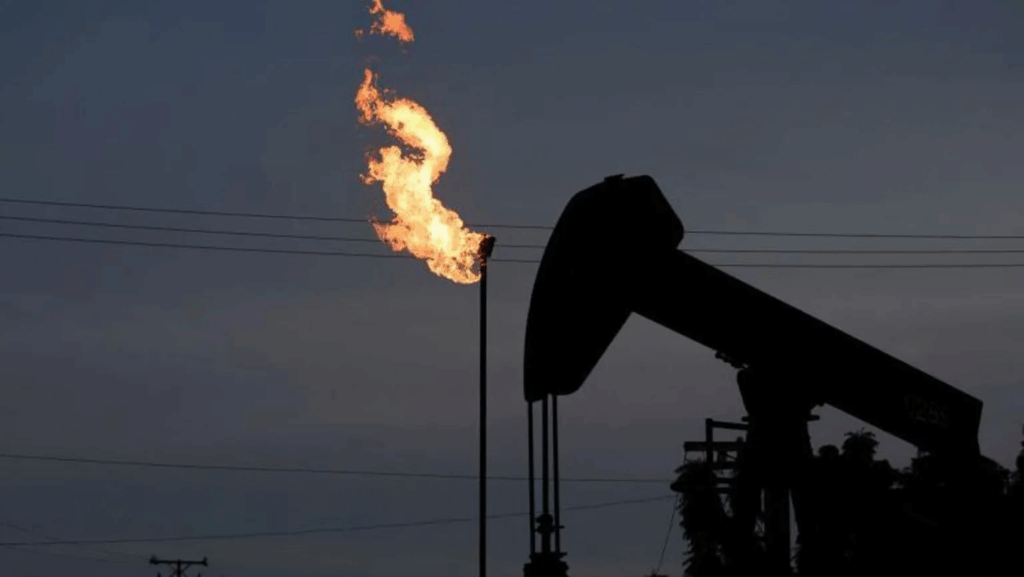
The International Energy Agency (IEA) has made a historic decision to release a record 400 million barrels of oil from strategic stockpiles, in a bid to stabilize the global crude market, which has been severely impacted by the ongoing war involving the United States, Israel, and Iran. This move represents the largest coordinated emergency stock release ever proposed by the Paris-based energy watchdog, and it is expected to have a significant impact on the global energy landscape.
According to IEA Executive Director, Fatih Birol, the decision to release the oil reserves was made in response to the "extraordinary circumstances" created by the war, which has led to a surge in crude prices and disrupted global energy supplies. "The IEA is committed to taking all necessary steps to ensure that the global energy market remains stable and secure," Birol said. "The release of 400 million barrels of oil from our strategic stockpiles is a significant move, and we believe it will help to calm the market and prevent further price increases."
Background and Context
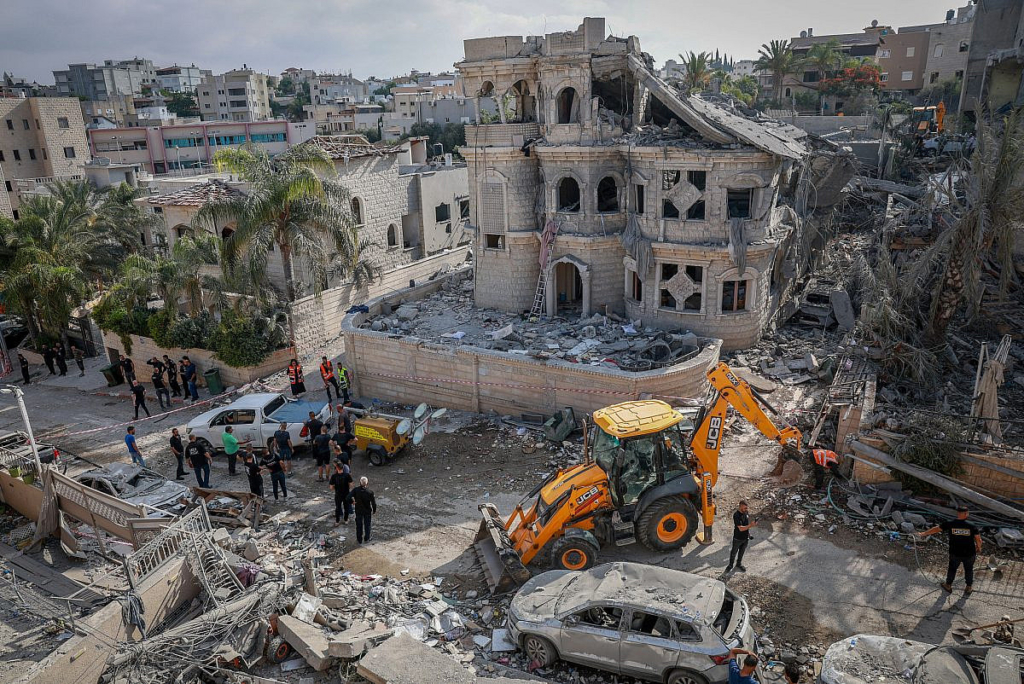
The war involving the United States, Israel, and Iran has had a devastating impact on the global energy market, with crude prices soaring to record highs in recent weeks. The conflict has disrupted oil production and transportation in the region, leading to a shortage of supplies and a surge in demand. The IEA has been closely monitoring the situation, and its member countries have been working together to find a solution to the crisis.
According to Dr. Daniel Yergin, a leading energy expert, the IEA's decision to release the oil reserves is a "bold move" that reflects the severity of the crisis. "The war has created a perfect storm in the energy market, with prices rising to record highs and supplies being disrupted," Yergin said. "The IEA's decision to release the oil reserves is a necessary step to prevent further price increases and to ensure that the global economy is not severely impacted by the crisis."
Impact on the Global Energy Market
The release of 400 million barrels of oil from the IEA's strategic stockpiles is expected to have a significant impact on the global energy market. The move is likely to increase the supply of oil in the market, which should help to reduce prices and calm the market. However, the impact of the release will depend on various factors, including the duration of the war and the response of other oil-producing countries.
According to IEA Chief Economist, Laura Cozzi, the release of the oil reserves is expected to reduce the price of crude by up to 10% in the short term. "The release of 400 million barrels of oil will increase the supply of oil in the market, which should help to reduce prices and prevent further price increases," Cozzi said. "However, the impact of the release will depend on various factors, including the response of other oil-producing countries and the duration of the war."
"The IEA's decision to release the oil reserves is a welcome move, but it is only a temporary solution to the crisis," said Dr. Mohamed El-Erian, a leading economist. "The underlying issues that are driving the crisis, including the war and the disruption of oil supplies, need to be addressed in order to prevent further price increases and to ensure that the global energy market remains stable and secure."
Conclusion and Future Outlook
In conclusion, the IEA's decision to release a record 400 million barrels of oil from strategic stockpiles is a significant move that reflects the severity of the crisis in the global energy market. The release is expected to have a positive impact on the market, reducing prices and calming the market. However, the impact of the release will depend on various factors, including the duration of the war and the response of other oil-producing countries.
As the situation continues to evolve, it is clear that the global energy market will remain volatile in the coming weeks and months. The IEA and other energy agencies will need to continue to monitor the situation closely and take all necessary steps to ensure that the market remains stable and secure. As Birol noted, "The IEA is committed to taking all necessary steps to ensure that the global energy market remains stable and secure. We will continue to work closely with our member countries and other energy agencies to address the challenges posed by the war and to ensure that the global economy is not severely impacted by the crisis."