The loan package in question is worth approximately 18 billion euros, and is intended to help Ukraine cover its immediate financing needs. The package was agreed upon by EU leaders in May, but has been stalled in the European Council due to Hungary's objections. According to EU officials, Hungary is seeking to use the loan package as leverage to extract concessions from the EU on a range of issues, including energy policy and migration. "The Hungarian government is playing a high-stakes game of chicken with the EU," said Dr. Agnes Szunomar, a senior researcher at the Hungarian Academy of Sciences. "By holding up the loan package, Orban is trying to demonstrate his independence from Brussels and appeal to his nationalist base at home."
The Domestic Politics of Hungary's EU Policy
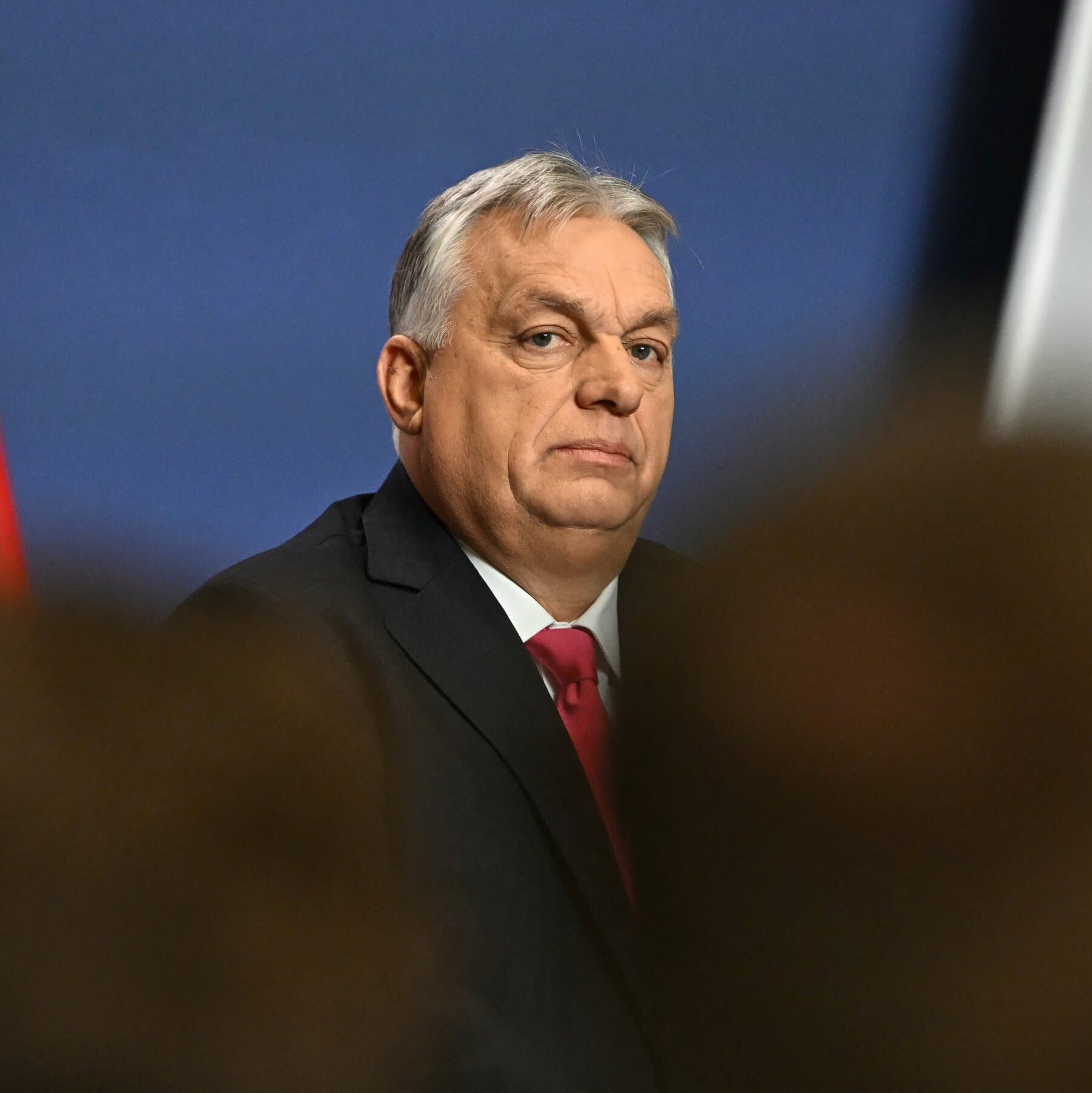
Orban's decision to block the loan package is widely seen as a calculated move to shore up support among his core constituents. The Hungarian prime minister has long been a thorn in the side of EU officials, and his nationalist rhetoric has resonated with many Hungarians who feel that the EU is imposing its will on their country. With elections looming, Orban is under pressure to deliver for his supporters, and his stance on the EU loan package is seen as a key test of his commitment to Hungarian sovereignty. "The EU loan package has become a symbol of Orban's struggle against the EU," said Andras Racz, a Budapest-based political analyst. "By blocking the package, Orban is sending a signal to his supporters that he is willing to take on the EU to protect Hungarian interests."
However, not all Hungarians support Orban's hardline stance on the EU. The opposition has criticized the government's decision to block the loan package, arguing that it will damage Hungary's reputation in Europe and undermine the country's economic interests. "The government's behavior is irresponsible and short-sighted," said KLara Dobrev, a leading opposition politician. "By blocking the loan package, we are not only harming Ukraine, but also damaging our own relationships with our European partners." As the debate over the EU loan package continues, it remains to be seen whether Orban's strategy will pay off at the polls. With the election campaign heating up, the EU loan package has become a major point of contention, with both sides accusing each other of putting politics above the national interest.
Implications for Ukraine and the EU
The holdup in the EU loan package has significant implications for Ukraine, which is struggling to cope with a major economic crisis. The Ukrainian government has been counting on the EU loan package to help stabilize the economy and finance its immediate needs. Without the loan package, Ukraine may be forced to seek alternative sources of funding, including from international lenders such as the International Monetary Fund. "The delay in the EU loan package is a major setback for Ukraine," said
"The Ukrainian economy is facing a perfect storm of challenges, and the EU loan package was seen as a lifeline. Without it, the government will have to scramble to find alternative sources of funding, which could lead to even greater economic instability."said Oleh Havrylyshyn, a former Ukrainian minister of economy.
The EU loan package is also seen as a key test of the EU's ability to respond to the crisis in Ukraine. The EU has been criticized for its slow response to the crisis, and the holdup in the loan package has raised questions about the EU's commitment to supporting Ukraine. "The EU needs to get its act together and provide a clear and consistent response to the crisis in Ukraine," said Janos Martonyi, a former Hungarian foreign minister. "The delay in the loan package is a major embarrassment for the EU, and it undermines the EU's credibility as a global actor." As the EU struggles to respond to the crisis in Ukraine, the holdup in the loan package has highlighted the deep divisions within the EU and the challenges of forging a unified response to the crisis.
In conclusion, the Hungarian government's decision to block the EU loan package has significant implications for Ukraine, the EU, and Hungarian politics. As the election campaign in Hungary heats up, it remains to be seen whether Orban's strategy will pay off at the polls. One thing is certain, however: the EU loan package has become a major point of contention, and the outcome will have far-reaching consequences for all parties involved. As Dr. Szunomar noted, "The future of EU-Ukraine relations hangs in the balance, and the outcome will depend on the ability of EU leaders to navigate the complex web of interests and alliances that are at play." As the situation continues to unfold, one thing is clear: the EU loan package has become a pivotal issue in the struggle for power and influence in Europe.