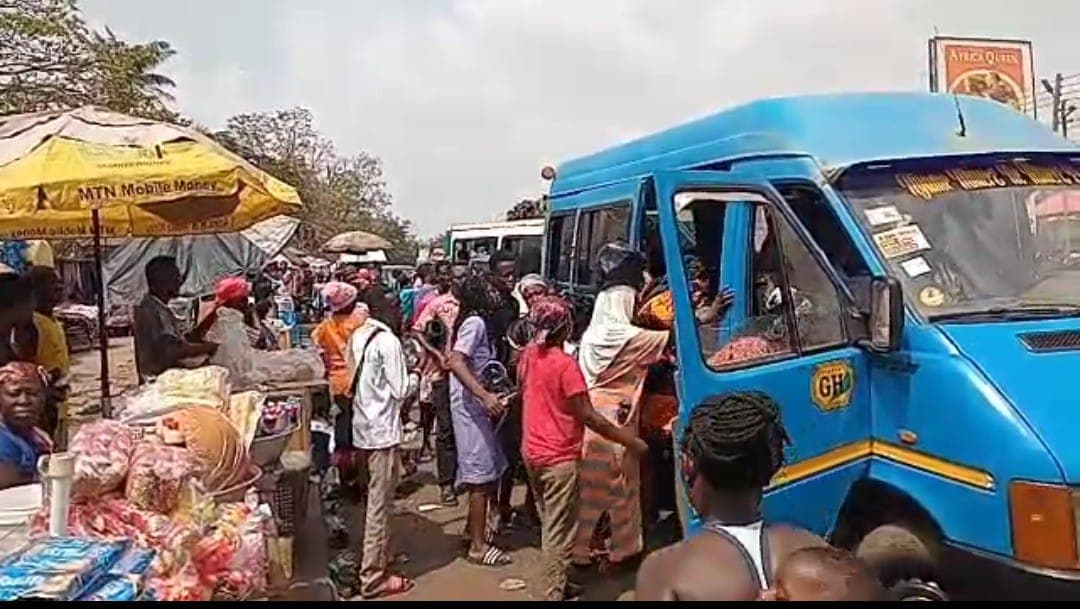
The transport system in Ghana is facing numerous challenges, ranging from congested roads to inadequate public transportation, which has resulted in wasted man-hours, increased fuel consumption, and decreased productivity. The situation is further exacerbated by the lack of investment in alternative modes of transport, such as rail and water transportation. Dr. George Mensah, a transport expert at the University of Ghana, notes that "the over-reliance on road transport has led to a decline in the use of other modes of transport, which are more efficient and environmentally friendly." He adds that "the government needs to invest in the development of rail and water transportation infrastructure to reduce the pressure on the roads and improve the overall efficiency of the transport system."
Collaboration is Key
The government's plan to expand alternative modes of transport is predicated on the ability of various stakeholders to work together to achieve a common goal. Samuel Thompson, a representative of the Ghana Chamber of Commerce and Industry, believes that "the private sector has a critical role to play in the development of the transport sector, and we are willing to partner with the government to invest in alternative modes of transport." He notes that "the private sector can bring in the necessary expertise and resources to help develop the transport infrastructure, but we need the government to create an enabling environment that encourages investment." Tetteh-Addison agrees, stating that "we need to work together to address the challenges facing the transport sector, and we are committed to creating an environment that is conducive to investment and collaboration."
"We are not just talking about building roads, we are talking about building a transport system that is efficient, safe, and environmentally friendly. We need to think outside the box and come up with innovative solutions that address the unique challenges facing our transport system." - Eric Tetteh-Addison, Director of PPME at the Ministry of Transport
Investing in Alternative Modes of Transport
The government has announced plans to invest in the development of alternative modes of transport, including rail and water transportation. Dr. Ama Pomaa Boateng, a lecturer at the Kwame Nkrumah University of Science and Technology, notes that "investing in rail transport can help reduce the pressure on the roads and improve the efficiency of the transport system." She adds that "rail transport is more efficient and environmentally friendly than road transport, and it can help reduce the cost of doing business in Ghana." The government has also announced plans to develop the country's water transportation infrastructure, including the construction of new ports and the rehabilitation of existing ones.
The development of alternative modes of transport is expected to have a positive impact on the economy, including the creation of jobs and the stimulation of economic growth. Stephen Amoah, a representative of the Ghana Private Road Transport Union, notes that "the development of alternative modes of transport can help reduce the number of vehicles on the road, which can help reduce congestion and improve air quality." He adds that "we are willing to work with the government to develop a transport system that is efficient, safe, and environmentally friendly."
In conclusion, the government's plan to expand alternative modes of transport is a step in the right direction, and it has the potential to transform the country's transport system. With the collaboration of policymakers, financial institutions, academia, and private operators, Ghana can develop a transport system that is efficient, safe, and environmentally friendly. As Tetteh-Addison notes, "we are committed to finding sustainable solutions to the transport woes that have become a hallmark of our urban centers, and we are willing to work with all stakeholders to achieve this goal." The future of Ghana's transport system looks bright, and with the right investment and collaboration, the country can develop a transport system that is fit for purpose and supports the country's economic development.