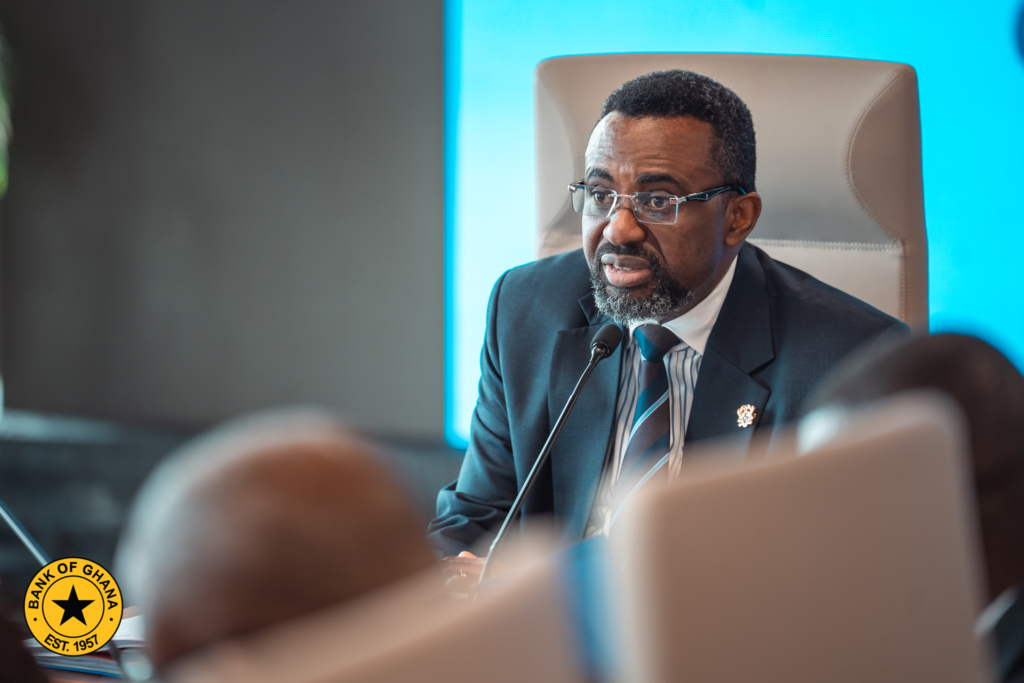
ACCRA – Ghana's ambitious plans to transform its agricultural sector under the government's flagship 24-hour economy initiative critically depend on establishing a robust and efficient seed distribution system, according to Dr. Charles T. Nornoo, Head of Sector Strategy and Integration at the 24-Hour Economy Authority. Dr. Nornoo emphasized that without timely access to quality, certified seeds, the nation's aspirations for increased productivity, value addition, and year-round agricultural output will remain largely unfulfilled, underscoring seeds as the fundamental bedrock of agricultural success.
The 24-Hour Economy and Agricultural Vision
The 24-hour economy initiative, a cornerstone policy of the current administration, aims to unlock Ghana's full economic potential by fostering continuous economic activity across various sectors, including agriculture. For the agricultural sector, this translates into targets for enhanced food security, increased raw material supply for local industries, significant export growth, and the creation of sustainable jobs, all operating beyond traditional daylight hours.
The vision encompasses a modernized agricultural landscape where farming, processing, and distribution activities can occur round-the-clock, leveraging technology and improved logistics. This expansion, however, is directly tied to the availability of high-performing seeds that can withstand local conditions, offer higher yields, and meet specific market demands, both domestically and internationally.
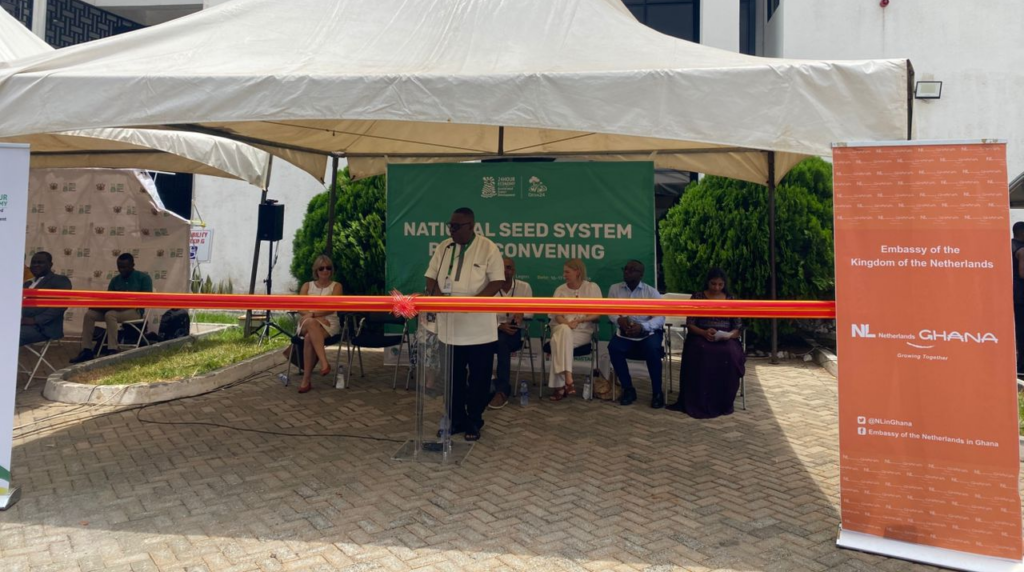
"Our 24-hour economy agricultural targets are not merely about extending working hours; they are about fundamentally boosting productivity and efficiency," Dr. Nornoo stated during a recent stakeholder meeting in Accra. "And at the heart of this productivity lies the seed. It determines yield potential, resilience to pests and diseases, and ultimately, the profitability for our farmers. An inefficient seed system is a bottleneck that can cripple our entire agricultural expansion strategy before it even takes root."
The Seed Distribution Imperative
An efficient seed distribution system is far more than just getting seeds to farmers. It encompasses a complex network involving research and development, seed multiplication, quality control, storage, logistics, and extension services. For Ghana, the challenge is to ensure that farmers, particularly those in remote areas, receive the right seeds, at the right time, and at an affordable price.
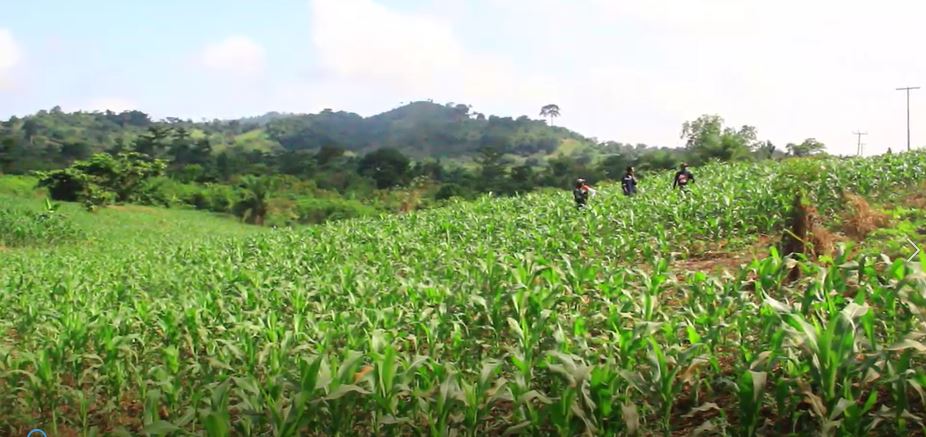
Improved seed varieties are crucial for several reasons under the 24-hour economy framework. They offer enhanced yields per hectare, enabling greater output from existing farmlands. Many modern varieties also possess resistance to common diseases and pests, reducing crop losses and the reliance on costly chemical inputs. Furthermore, climate-resilient seeds are vital for adapting to changing weather patterns, ensuring consistent production throughout the year – a non-negotiable for a 24-hour economy requiring steady supply chains.
Madam Akua Mensah, President of the National Farmers' Association, echoed Dr. Nornoo’s sentiments, highlighting the practical challenges faced by farmers.
"Many of our members struggle to access certified seeds, especially for specific crops or varieties that perform well in our local conditions," she explained. "Sometimes, by the time the seeds reach us, the planting season is already advanced, or the quality is questionable. An efficient, reliable system would be a game-changer, allowing us to plan better and ensure consistent harvests to meet the demands of a 24-hour market."
Addressing Challenges and Forging Solutions
Ghana's current seed sector faces several hurdles, including fragmented distribution networks, insufficient investment in local seed research, challenges in quality assurance, and the pervasive issue of counterfeit seeds. These factors contribute to lower yields, increased production costs, and reduced farmer incomes, directly undermining the goals of the 24-hour economy.
To overcome these challenges, Dr. Nornoo outlined several strategic areas of focus. These include strengthening the Seed Council and regulatory bodies to enforce quality standards and combat the proliferation of fake seeds. He also advocated for increased public-private partnerships to invest in seed multiplication farms and improve logistics infrastructure, such as cold storage facilities and transportation networks, particularly for perishable seeds.
"We must foster an environment where local seed breeders are incentivized, and where private sector entities feel confident investing in the seed value chain," Dr. Nornoo added. "This means clear policies, streamlined regulations, and financial support mechanisms. Furthermore, leveraging digital platforms for seed traceability and farmer registration can revolutionize how we track and distribute seeds, ensuring transparency and accountability."
Professor Kwesi Ofori, an agricultural economist at the University of Ghana, emphasized the economic multiplier effect of a robust seed system.
"Investing in quality seeds is not just about agriculture; it's about national economic growth," Professor Ofori noted. "Higher yields mean more raw materials for agro-processing industries, more export revenue, and more stable incomes for rural communities. It's a foundational investment that underpins the entire 24-hour economy framework, promoting industrialization and job creation."
The Path Forward
The Authority's emphasis on seed distribution signals a recognition of its pivotal role in transforming Ghana's agricultural sector into a dynamic, round-the-clock engine of economic growth. The success of the 24-hour economy agricultural targets hinges on concerted efforts from the government, private sector, research institutions, and farmer organizations to collaboratively build a resilient, efficient, and equitable seed supply chain.
As Ghana moves to operationalize its ambitious 24-hour economy, ensuring that every farmer has access to the best possible seeds will be critical. This strategic focus promises not only to boost agricultural output but also to enhance food security, create sustainable livelihoods, and solidify Ghana's position as a regional agricultural powerhouse capable of meeting both local and international demands, day and night.