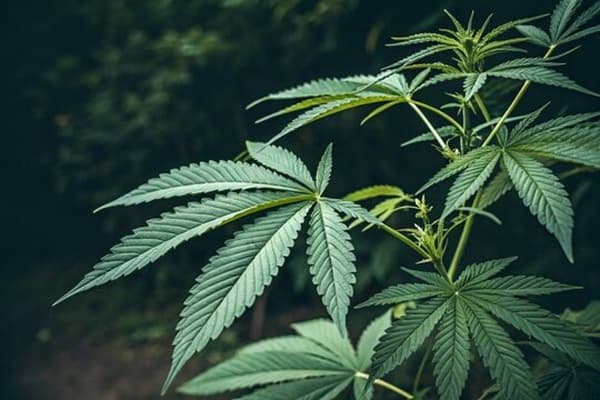
The case has sparked intense interest among industry stakeholders, with many viewing it as a test of the government's commitment to promoting the development of the industrial cannabis sector. Industrial cannabis, also known as hemp, is a variety of the cannabis plant that is grown for its industrial uses, such as producing fiber, seed, and oil. Proponents of the industry argue that it has the potential to create jobs, stimulate economic growth, and provide a sustainable source of revenue for farmers. However, the current regulatory framework has been criticized for being overly restrictive, with high licensing fees and stringent requirements that make it difficult for farmers to enter the market.
Background to the Case
Mariam Alhassan, the plaintiff, is a farmer from Techiman who has been interested in cultivating industrial cannabis for several years. However, she has been unable to obtain a license due to the high fees and restrictive requirements imposed by the government. According to Alhassan, the current framework is **discriminatory** and **unfair**, as it favors large-scale farmers who have the resources to comply with the regulations. "I have been trying to get a license for years, but the fees are just too high," Alhassan said in an interview. "I believe that the government should create a level playing field for all farmers, regardless of their size or resources."
"The current regulatory framework is a major obstacle to the development of the industrial cannabis industry in this country. We need a framework that is fair, transparent, and consistent with international best practices." - Dr. Kwame Addo, Executive Director of the Ghana Hemp Association
Implications of the Case
The outcome of the case is likely to have significant implications for the industrial cannabis industry in the country. If the court rules in favor of Alhassan, it could lead to a revision of the regulatory framework, making it easier for farmers to enter the market. This, in turn, could stimulate the growth of the industry, creating jobs and generating revenue for farmers. On the other hand, if the court upholds the current framework, it could reinforce the existing barriers to entry, limiting the potential of the industry.
According to industry experts, the case is a wake-up call for the government to review its regulatory framework and create a more conducive environment for the growth of the industrial cannabis sector. "The government needs to take a holistic approach to regulating the industry, taking into account the needs of farmers, processors, and other stakeholders," said Dr. Kwame Addo, Executive Director of the Ghana Hemp Association. "We need a framework that balances the need for regulation with the need for innovation and entrepreneurship."
Government Response
The government has not yet responded to the lawsuit, but officials say that they are reviewing the case and will respond in due course. In a statement, the Minister of Food and Agriculture said that the government is committed to promoting the development of the industrial cannabis sector, but also needs to ensure that the industry is regulated in a way that protects public health and safety. "We will review the lawsuit and respond accordingly," the minister said. "Our goal is to create a regulatory framework that supports the growth of the industry while also protecting the public interest."
As the case makes its way through the courts, industry stakeholders are watching with bated breath. The outcome of the case will have significant implications for the future of the industrial cannabis industry in the country, and could potentially pave the way for the growth of a new and lucrative sector. As Dr. Addo noted, "This case is a landmark moment for the industry, and we hope that it will lead to a more favorable regulatory environment for farmers and other stakeholders."
In conclusion, the lawsuit filed by Mariam Alhassan has brought the issue of industrial cannabis regulation to the forefront of public debate. As the case progresses, it is likely to shed more light on the challenges facing the industry and the need for a more nuanced and supportive regulatory framework. Ultimately, the outcome of the case will determine the future of the industrial cannabis sector in the country, and whether it will realize its full potential as a driver of economic growth and development.