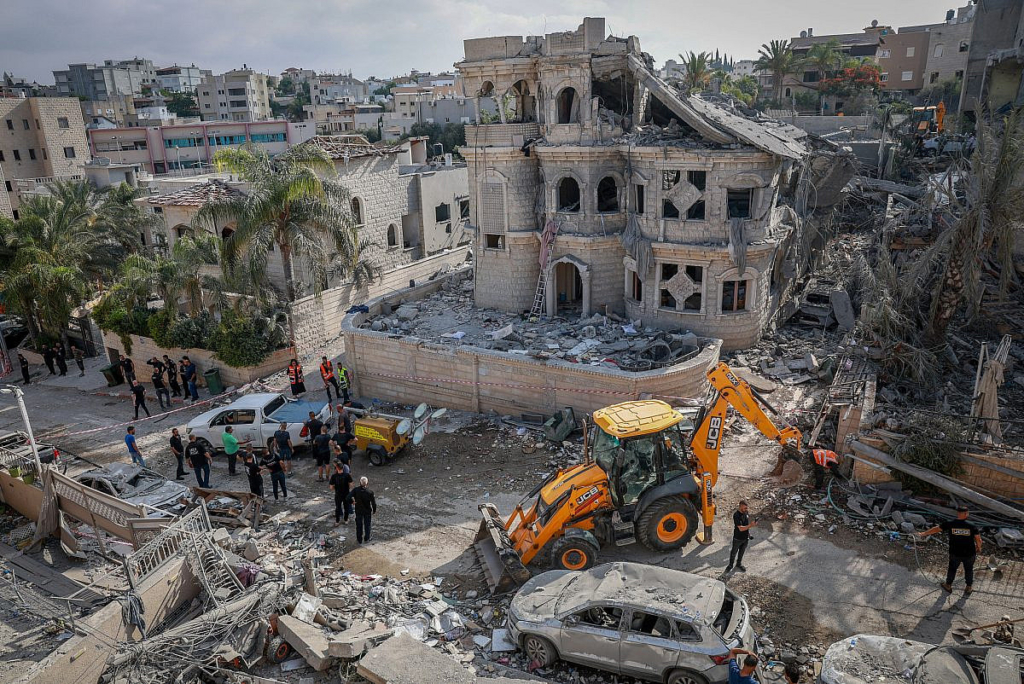
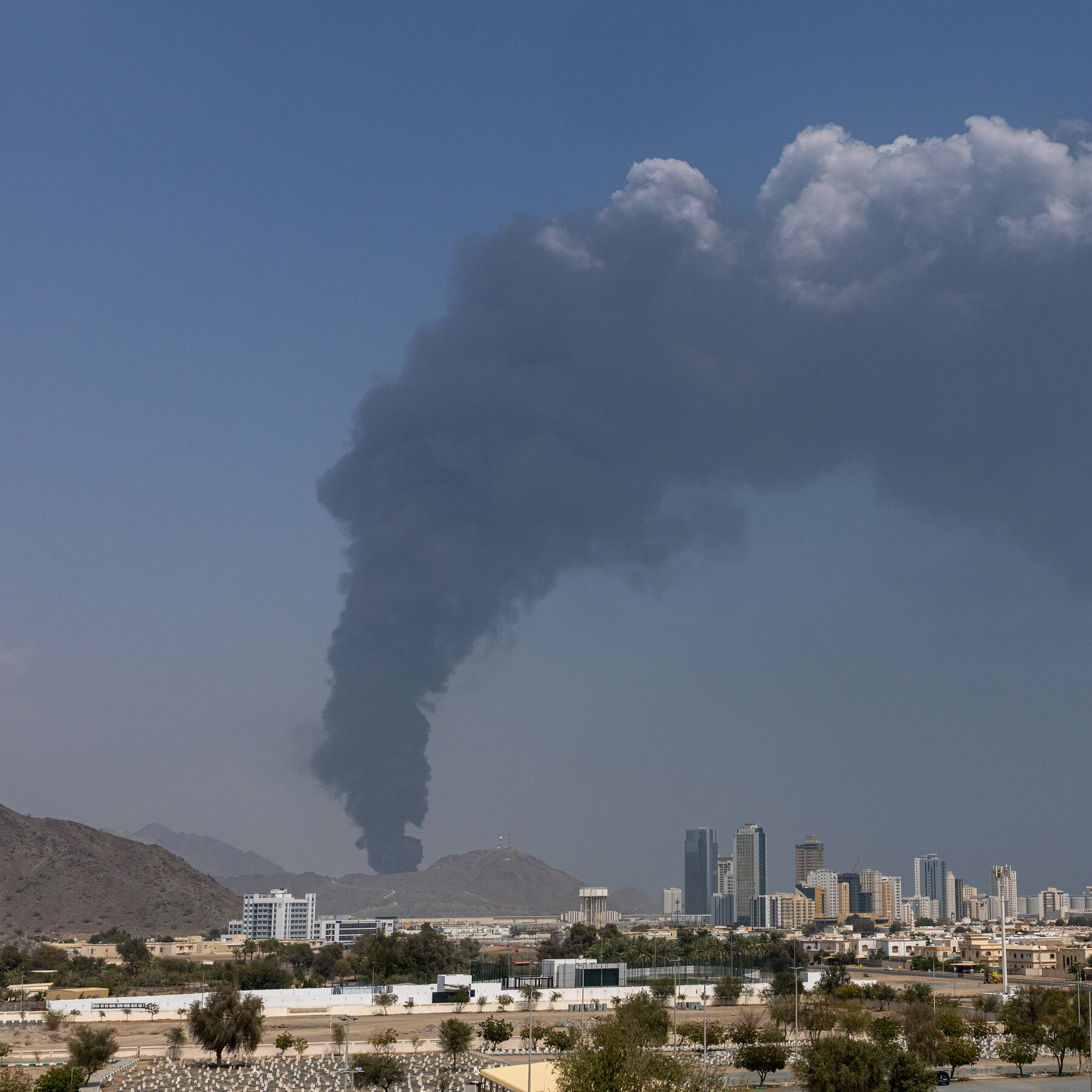
The ongoing conflict between the United States, Israel, and Iran has resulted in a significant loss of civilian life in the oil-rich Gulf countries. According to recent reports, at least 12 civilians have been killed in the region since the American-Israeli attack on Iran began. What is particularly striking about these casualties is that almost all of them were migrant workers, highlighting the vulnerability of this demographic in the face of conflict. This disturbing trend has raised concerns among human rights organizations and experts, who warn that the situation could deteriorate further if the conflict escalates.
The majority of the migrant workers who lost their lives were from South Asian countries, such as India, Pakistan, and Bangladesh. These workers are often employed in low-wage jobs in the construction, oil, and gas sectors, and are frequently exposed to hazardous working conditions. The fact that they are now being caught in the crossfire of a regional conflict has sparked outrage and calls for greater protection of their rights. Dr. Amal Al-Mansoori, a human rights activist in the Gulf region, condemned the attacks, stating, "It is unacceptable that migrant workers, who are already vulnerable and exploited, are now being killed in the midst of this conflict. We demand that all parties involved take immediate action to ensure the safety and security of these workers."
Regional Repercussions
The Gulf Cooperation Council (GCC) countries, which include Saudi Arabia, the United Arab Emirates, and Qatar, have been affected by the conflict, with several incidents of civilian casualties reported in these countries. The GCC Secretary-General, Nayef Al-Hajraf, expressed concern over the situation, saying, "We are deeply troubled by the loss of civilian life in our region. We urge all parties to exercise restraint and work towards a peaceful resolution of the conflict." The GCC has called for an emergency meeting to discuss the situation and potential measures to mitigate its impact on the region.
Experts warn that the conflict could have far-reaching repercussions for the region's economy and stability. The Gulf countries are heavily reliant on migrant workers, who make up a significant proportion of the workforce. Any disruption to their employment or safety could have a ripple effect on the entire economy.
"The migrant workers are the backbone of the Gulf economy," said Dr. Khalid Al-Khalifa, an economist at a leading think tank. "If they are not protected, it could lead to a significant decline in economic activity, which would have severe consequences for the region as a whole."
International Response
The international community has been criticized for its response to the conflict, with many arguing that it has been inadequate and ineffective. The United Nations Secretary-General, António Guterres, has called for an immediate ceasefire and a return to diplomatic negotiations. However, his appeals have so far been ignored, and the conflict continues to escalate. The European Union has also issued a statement condemning the violence and calling for a peaceful resolution, but its impact on the situation remains to be seen.
As the conflict shows no signs of abating, the international community is under increasing pressure to take decisive action to protect civilians, particularly migrant workers. Dr. Radhika Kapur, a human rights expert, emphasized the need for a concerted effort, saying, "The international community must come together to condemn these attacks and demand that all parties involved take immediate action to prevent further civilian casualties. The lives of migrant workers are just as valuable as those of any other human being, and it is our collective responsibility to ensure their safety and security."
In conclusion, the situation in the Gulf region is precarious, with migrant workers bearing the brunt of the conflict. As the international community continues to grapple with the complexities of the situation, one thing is clear: the protection of civilian life, particularly that of migrant workers, must be a top priority. The world is watching, and it is imperative that all parties involved take immediate action to prevent further bloodshed and work towards a peaceful resolution of the conflict. The fate of thousands of migrant workers hangs in the balance, and it is our collective responsibility to ensure their safety and security in these uncertain times.