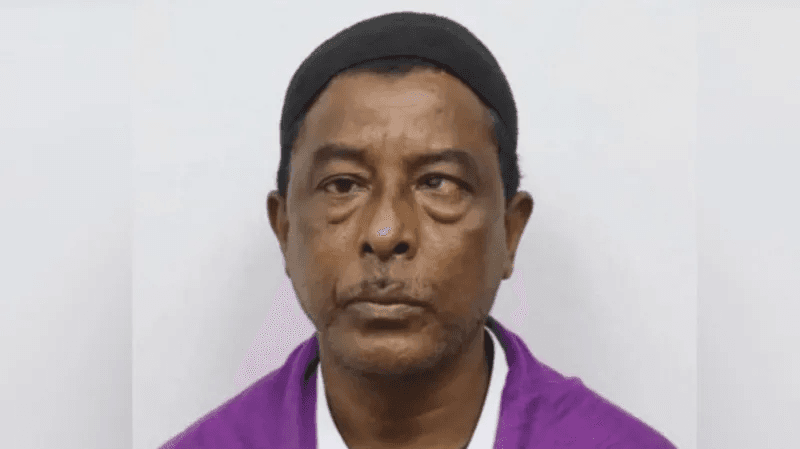
The circumstances surrounding the refugee's death are still unclear, but experts point to a lack of coordination between federal immigration authorities and local social services as a potential contributing factor. "It's a tragic example of the gaps in our system," said Dr. Sophia Patel, an expert on refugee resettlement. "When individuals are released from custody, they often require significant support to access basic necessities like food, shelter, and healthcare. In this case, it appears that support was lacking, with devastating consequences." The refugee's death has raised questions about the adequacy of care provided to vulnerable immigrants, particularly those with disabilities or limited English proficiency.
Background and Context
The refugee, who was reportedly in his mid-40s, had been detained by federal immigration authorities for several months prior to his release. During that time, he had limited access to medical care, despite his significant visual impairment. According to advocates, the refugee's condition was well-documented, and he had been deemed eligible for release due to his vulnerable status. However, upon release, he was apparently left to fend for himself, without adequate support or resources to navigate the complexities of the US healthcare system.
"The fact that this individual was released without a plan in place for his care is unacceptable," said Rachel Kim, a spokesperson for the New York Immigration Coalition. "We urge federal immigration authorities to take immediate action to ensure that all refugees, particularly those with disabilities or limited English proficiency, receive the support they need to thrive in our communities."
Investigation and Response
Federal immigration authorities have launched an investigation into the circumstances surrounding the refugee's death, but details are scarce. Officials have confirmed that the individual was released from custody in accordance with established protocols, but have declined to comment further on the specifics of his case. Meanwhile, local authorities in upstate New York are working to determine the cause of death and to provide support to the refugee's family and community.
As the investigation unfolds, immigrant advocates are calling for greater transparency and accountability from federal immigration authorities. "This tragedy highlights the need for more comprehensive support services for refugees, particularly those with disabilities or limited English proficiency," said Dr. Patel. "We must do better to ensure that these individuals have access to the resources they need to survive and thrive in our communities." The refugee's death has also sparked renewed calls for reform of the US immigration system, with advocates arguing that the current system is often inadequate and inhumane.
Looking Ahead
The death of the nearly-blind refugee from Myanmar serves as a stark reminder of the challenges faced by vulnerable immigrants in the US. As the investigation into his death continues, immigrant advocates and officials alike are calling for greater support and resources for these individuals. "We must recognize the inherent dignity and worth of all individuals, regardless of their immigration status," said Rachel Kim. "By providing comprehensive support services and ensuring access to basic necessities like healthcare and housing, we can help to prevent tragedies like this from occurring in the future."
In the coming weeks and months, officials and advocates will be working to implement reforms and improvements to the US immigration system, with a focus on providing more comprehensive support to vulnerable immigrants. As Dr. Patel noted, "This tragedy is a wake-up call for all of us. We must work together to create a more just and compassionate system, one that recognizes the inherent humanity and dignity of all individuals, regardless of their immigration status." The death of the nearly-blind refugee from Myanmar will undoubtedly serve as a catalyst for change, as officials and advocates strive to create a more supportive and inclusive environment for all immigrants.