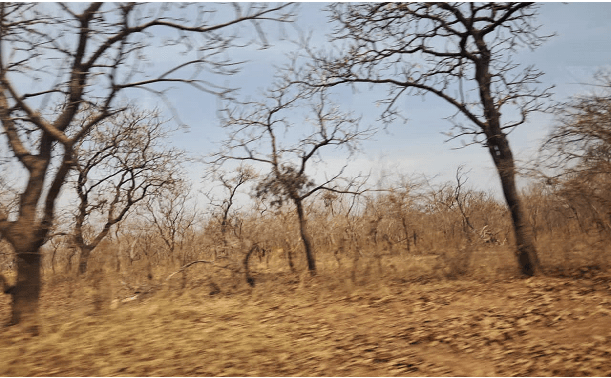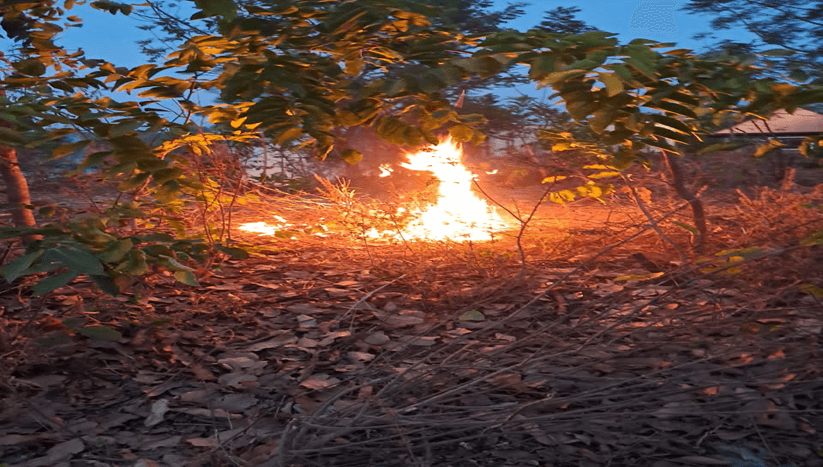

The Ankasa Conservation Area is a vital component of Ghana's natural heritage, covering an area of over 500 square kilometers. The reserve is known for its rich biodiversity, with numerous species of animals, birds, and plants calling it home. However, the area has faced numerous threats in recent years, including poaching, deforestation, and habitat destruction. Conservation efforts have been underway to protect the area and its inhabitants, but the sentence handed down to Ofori Annor serves as a stark reminder of the ongoing challenges faced by wildlife conservationists.
Conservation Efforts
According to Dr. Ama Owusu, a conservation biologist with the Ghana Wildlife Society, "the Ankasa Conservation Area is a critical habitat for many endangered species, including the African elephant, the leopard, and the golden cat. The loss of these species would not only be a tragedy for Ghana, but for the world at large." Dr. Owusu emphasized the importance of protecting the area, stating that "conservation efforts must be strengthened to prevent further degradation of the habitat and to protect the animals that call it home." The Ghana Wildlife Society has been working closely with local communities and law enforcement agencies to combat wildlife crime and promote sustainable conservation practices.
"We are pleased to see that the courts are taking wildlife crime seriously," said Chief Superintendent Emmanuel Bosso, the Western Regional Commander of the Ghana Police Service. "Poaching is a serious offense that not only harms the environment, but also undermines the livelihoods of local communities. We will continue to work with conservationists and local communities to protect the Ankasa Conservation Area and bring those who engage in wildlife crime to justice."Chief Superintendent Bosso emphasized the importance of collaboration between law enforcement agencies, conservationists, and local communities in the fight against wildlife crime.
Impact on Local Communities
The sentence handed down to Ofori Annor is also seen as a warning to other would-be poachers in the region. Mr. Kofi Mensah, a local resident and member of the Ankasa Conservation Area Management Committee, stated that "we are relieved that the courts have taken action against those who seek to harm our environment. The Ankasa Conservation Area is not only a vital component of our natural heritage, but also an important source of income for local communities. We must work together to protect it." The management committee has been working to promote sustainable livelihoods for local communities, including ecotourism and sustainable forest management.
The conviction of Ofori Annor serves as a reminder of the importance of protecting Ghana's natural heritage. The Ankasa Conservation Area is a vital component of the country's biodiversity, and its protection is essential for the well-being of both local communities and the environment. As Dr. Owusu noted, "the fight against wildlife crime is an ongoing one, and it will require the continued efforts of conservationists, law enforcement agencies, and local communities. We must remain vigilant and work together to protect the Ankasa Conservation Area and the incredible biodiversity it supports."
In conclusion, the sentence handed down to Ofori Annor marks an important step in the fight against wildlife crime in Ghana. As conservation efforts continue to evolve, it is essential that law enforcement agencies, conservationists, and local communities work together to protect the Ankasa Conservation Area and its inhabitants. The future of Ghana's natural heritage depends on it, and it is only through collective action that we can ensure the long-term protection of this vital ecosystem. As the conservation community looks to the future, one thing is clear: the protection of the Ankasa Conservation Area is a priority that requires ongoing attention and effort.