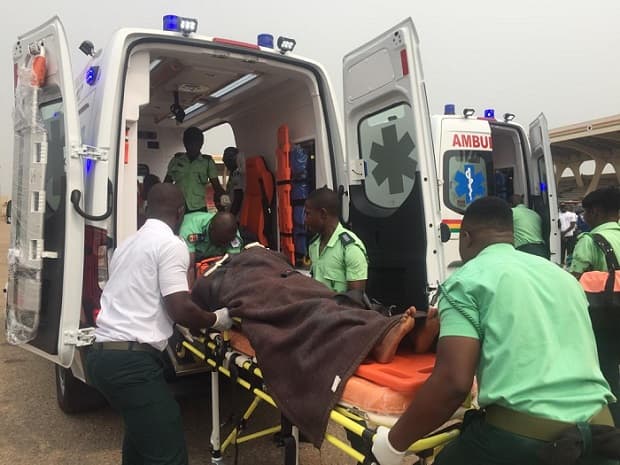
The controversy surrounding the proposed deal centers on the issue of access to biological samples, such as blood and tissue samples, which are essential for medical research. Zimbabwe, like many other developing countries, is rich in biological diversity, with a wide range of unique plant and animal species that could hold the key to new medical discoveries. However, the country has been wary of allowing foreign companies and governments to exploit its biological resources without receiving fair compensation or benefits. As Dr. Mary Mugweni, a Zimbabwean health expert, noted, "We cannot allow our biological resources to be exploited by foreign powers without getting anything in return. We need to ensure that any deal we enter into is fair and benefits our people."
Background to the Disagreement
The proposed health aid deal between Zimbabwe and the US was meant to provide Zimbabwe with access to advanced medical technology and research expertise. However, as negotiations progressed, it became clear that the US was not willing to share the benefits of its research with Zimbabwe. According to Professor Isaac Madziva, a lecturer at the University of Zimbabwe, "The US wanted to take our biological samples and use them to develop new drugs and treatments, but they were not willing to share the profits or the knowledge with us. This is a classic case of biopiracy, where a powerful country exploits the biological resources of a weaker country without giving anything back." The Zimbabwean government was unwilling to accept such a deal, citing concerns over the potential for exploitation and the need to protect the country's sovereignty.
Implications of the Decision
The rejection of the proposed health aid deal has significant implications for Zimbabwe's health sector. The country is currently struggling to cope with a range of health challenges, including HIV/AIDS, malaria, and tuberculosis. Access to advanced medical technology and research expertise could have made a significant difference in the country's ability to tackle these challenges. However, as Dr. Gibson Mhlanga, the Zimbabwean Minister of Health, noted, "We cannot compromise our sovereignty and our people's well-being for the sake of getting aid. We need to ensure that any deal we enter into is fair and benefits our people." The decision to reject the proposed deal has been welcomed by many Zimbabweans, who see it as a bold move to assert the country's independence and protect its interests.
As
Dr. Mugweninoted, "This decision sends a strong message to the international community that we will not be taken advantage of. We are willing to cooperate with other countries, but we will do so on our own terms and in a way that benefits our people." The Zimbabwean government has indicated that it is open to negotiating a new deal with the US, but only if the terms are fair and equitable. As Professor Madziva observed, "We need to negotiate a deal that recognizes our sovereignty and our right to benefit from our own biological resources. Anything less would be unacceptable."
International Reaction
The international community has been watching the developments in Zimbabwe with interest. Many countries, particularly in the developing world, are facing similar challenges in negotiating fair deals with powerful nations and corporations. As Ambassador Bwalya Chiti, the Zimbabwean Ambassador to the United Nations, noted, "This is not just a Zimbabwean issue, but a global one. We need to ensure that international agreements and partnerships are fair and equitable, and that they recognize the sovereignty and rights of all nations." The decision by Zimbabwe to reject the proposed health aid deal has been seen as a bold move to assert the country's independence and protect its interests, and it is likely to have significant implications for international relations and global health policy.
In conclusion, the rejection of the proposed health aid deal between Zimbabwe and the US is a significant development that highlights the challenges faced by developing countries in negotiating fair deals with powerful nations. As the Zimbabwean government moves forward, it will be important to balance the need for international cooperation with the need to protect the country's sovereignty and interests. As Dr. Mhlanga observed, "We will continue to engage with the international community, but we will do so on our own terms and in a way that benefits our people. We will not compromise our sovereignty and our people's well-being for the sake of getting aid." The future of global health policy and international relations will likely be shaped by the decisions made by countries like Zimbabwe, and it will be important to watch developments in this area closely.