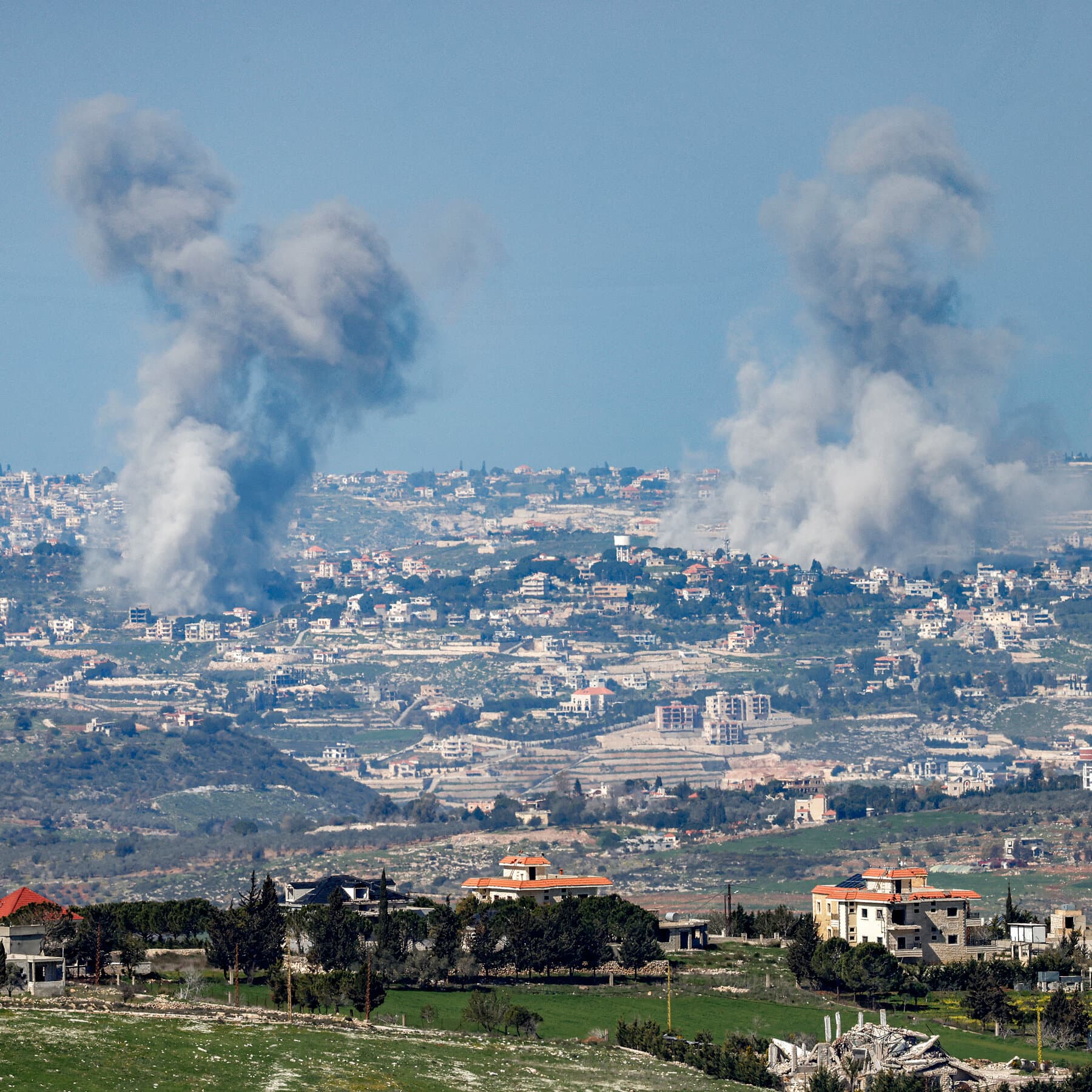
The US sanctions are a response to Rwanda's alleged support for the M23 rebel group, which has been fighting the Congolese government in the eastern part of the country. The M23 group has been accused of committing human rights abuses and perpetuating violence in the region, leading to the displacement of thousands of civilians. The US Department of the Treasury stated that the sanctions are intended to "hold accountable those responsible for the ongoing violence and instability in the Democratic Republic of Congo." The sanctions include travel bans and asset freezes on several top military commanders, as well as restrictions on military assistance and arms sales to Rwanda.
Rwandan Response
The Rwandan government has responded to the sanctions, accusing the US of taking a "one-sided" approach to the conflict. Rwandan Foreign Minister, Vincent Biruta, stated that "the sanctions are politically motivated and do not take into account the complexities of the conflict in the region." Biruta added that "Rwanda is committed to finding a peaceful solution to the conflict, but we will not be swayed by external pressure." The Rwandan government has long maintained that it is not supporting the M23 rebel group, despite evidence to the contrary.
"The US sanctions are a clear example of how external powers are trying to dictate the terms of the conflict in the region," said Dr. Marie-Rose Habyarimana, a Rwandan political analyst. "Rwanda has its own interests and concerns in the region, and we will not be bullied into accepting a solution that does not take into account our own security needs."
Regional Implications
The US sanctions are likely to have significant implications for the region, particularly in terms of regional security and stability. The conflict in the DR Congo has already led to the displacement of thousands of civilians, and the sanctions are likely to exacerbate the humanitarian crisis. According to Dr. John Mbaku, a regional security expert, "the sanctions will likely lead to a further escalation of the conflict, as Rwanda may feel compelled to respond to the sanctions by increasing its support for the M23 rebel group." Mbaku added that "the international community needs to take a more nuanced approach to the conflict, one that takes into account the complex historical and political dynamics at play in the region."
The sanctions have also been criticized by some as being overly broad, and potentially harming innocent civilians. As noted by Rwandan economist, Dr. Gideon Rukundo, "the sanctions will likely have a significant impact on Rwanda's economy, particularly in terms of trade and investment. This could lead to further poverty and instability in the region, which would only serve to perpetuate the conflict." Rukundo added that "the international community needs to consider the potential unintended consequences of the sanctions, and work towards finding a more sustainable and equitable solution to the conflict.
International Community Response
The international community has been criticized for its response to the conflict in the DR Congo, with some accusing the US and other Western powers of taking a "hands-off" approach to the crisis. According to UN Secretary-General, António Guterres, "the international community needs to take a more proactive approach to the conflict, one that involves working closely with regional leaders to find a peaceful solution." Guterres added that "the UN is committed to supporting the people of the DR Congo, and we will continue to work towards finding a sustainable and equitable solution to the conflict.
In conclusion, the US sanctions on Rwanda's military and top commanders are a significant development in the ongoing conflict in the DR Congo. While the sanctions are intended to hold accountable those responsible for the violence and instability in the region, they have been met with criticism from the Rwandan government and some experts. As the situation continues to unfold, it remains to be seen how the sanctions will impact the conflict, and what the long-term implications will be for the region. One thing is certain, however: the international community must work towards finding a peaceful and sustainable solution to the conflict, one that takes into account the complex historical and political dynamics at play in the region.