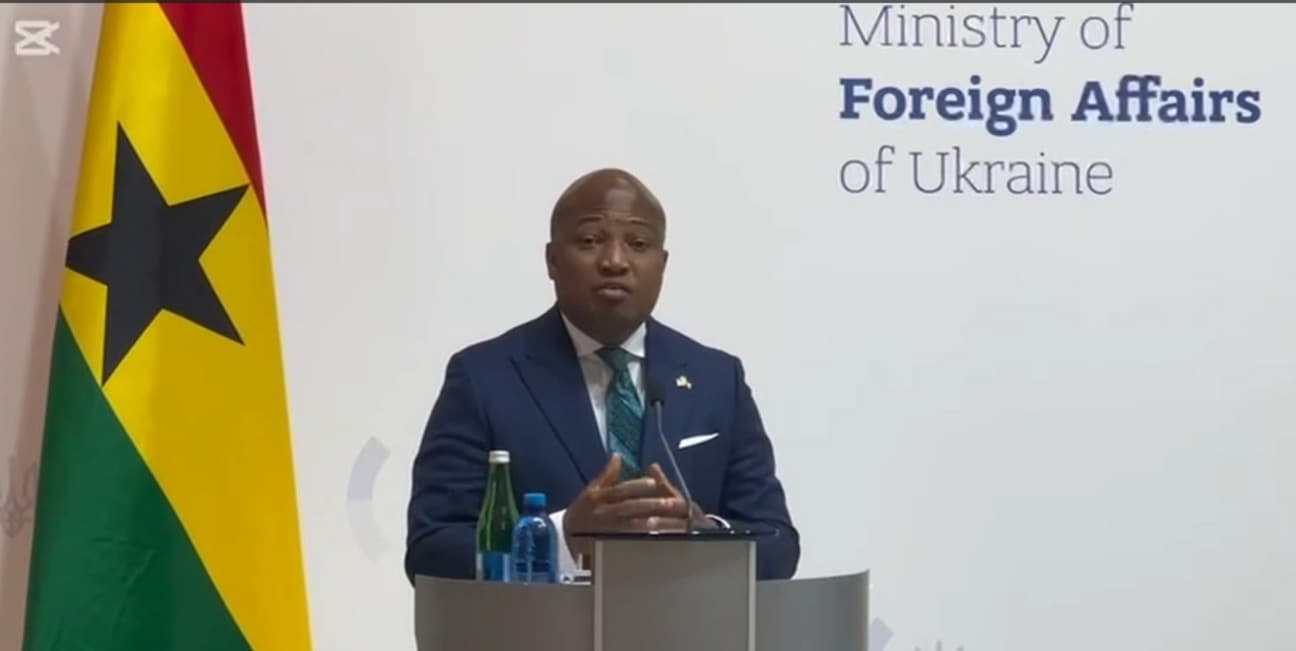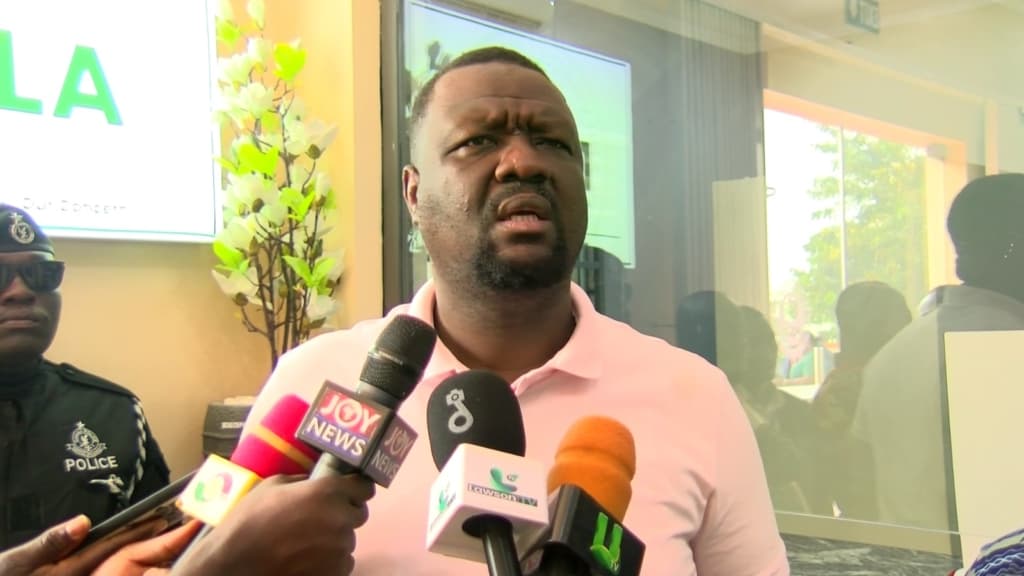
The incident in question occurred in a volatile region of Burkina Faso, where militant groups have been active in recent years. The attack on the Ghanaian traders has sparked widespread outrage and calls for increased security measures in the area. However, the suggestion that Ukraine played a role in the attack has been met with skepticism by experts and officials, who point out that there is no credible evidence to support such claims. As Dr. Natalia Shulga, a Ukrainian expert on international relations, noted, "Ukraine has been a victim of terrorism itself, particularly in the context of the ongoing conflict with Russian-backed separatists in the Donbas region. It's highly unlikely that Ukraine would be involved in supporting terrorist activities abroad."
Background and Context
The conflict in Burkina Faso is part of a broader security challenge facing the Sahel region, where extremist groups have exploited local grievances and weaknesses in governance to establish themselves. The situation is further complicated by the presence of multiple external actors, including foreign military forces and non-state entities. In this complex environment, it can be difficult to discern facts from rumors or misinformation.
"The situation in the Sahel is extremely fluid, with many different players and interests involved," said Ambassador Amadou Ba, a former diplomat with experience in the region. "It's essential to approach allegations like these with a healthy dose of skepticism and to verify information through credible sources before jumping to conclusions."
Ukrainian Response
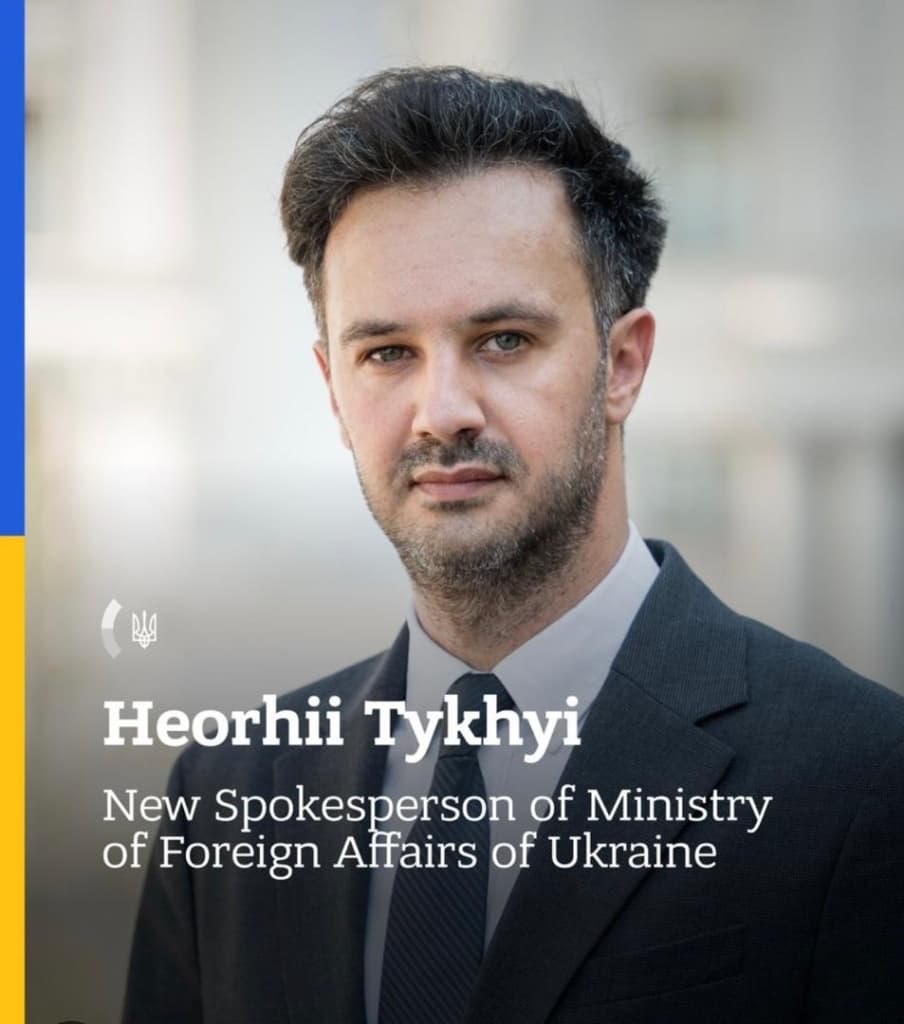
Heorhii Tykhyi, the Ukrainian Foreign Ministry spokesperson, was unequivocal in his denial of the allegations. "These claims are completely unfounded and have no basis in reality," he stated. "Ukraine is committed to combating terrorism in all its forms and has been a responsible member of the international community in this regard. We have provided support to countries in the region, including Burkina Faso, to help them counter the threat posed by extremist groups, but this has been done through official channels and in accordance with international law." Tykhyi also emphasized that Ukraine values its relationships with countries in the region, including Ghana and Burkina Faso, and is committed to working together to address common security challenges.
Experts suggest that the allegations against Ukraine may be part of a broader disinformation campaign aimed at undermining the country's reputation and relationships with its partners. Dr. Serhiy Kulyk, a Ukrainian analyst specializing in international security, observed, "Ukraine has faced numerous attempts to discredit it through false or misleading information, particularly since the start of the conflict with Russia. It's essential for Ukraine and its partners to remain vigilant and to work together to counter such efforts, which can have serious consequences for regional and global security."
Regional Implications
The attack on the Ghanaian traders and the subsequent allegations against Ukraine have significant implications for regional security and cooperation. The incident highlights the need for increased collaboration and information-sharing between countries in the region to combat the threat posed by extremist groups. As Colonel Mohammed Traoré, a Burkinabé military officer, noted, "The fight against terrorism requires a collective effort and a willingness to work together, sharing intelligence and best practices. We must be cautious of attempts to divide us or undermine our partnerships, and instead focus on building a stronger, more resilient region."
In conclusion, the Ukrainian government's denial of allegations linking it to the attack in Burkina Faso is a significant development in an evolving story. As the situation continues to unfold, it is essential for all parties involved to prioritize credible information and to work together to address the shared challenges facing the region. The international community will be watching closely to see how events develop and how countries in the region respond to the ongoing security threats. With the situation in the Sahel remaining fluid and unpredictable, one thing is clear: the need for cooperation, vigilance, and a commitment to verifiable facts will be essential in navigating the complex landscape ahead.