Understanding Overdiagnosis
Overdiagnosis occurs when a medical condition is detected and treated, even though it may not have caused symptoms or led to harm if left untreated. In the case of papillary thyroid cancer, overdiagnosis can lead to unnecessary surgery, radiation therapy, and lifelong medication. Dr. Emily Chen, a leading thyroid cancer researcher, notes that "the consequences of overdiagnosis can be severe, resulting in physical and emotional trauma for patients, as well as a significant financial burden on the healthcare system."
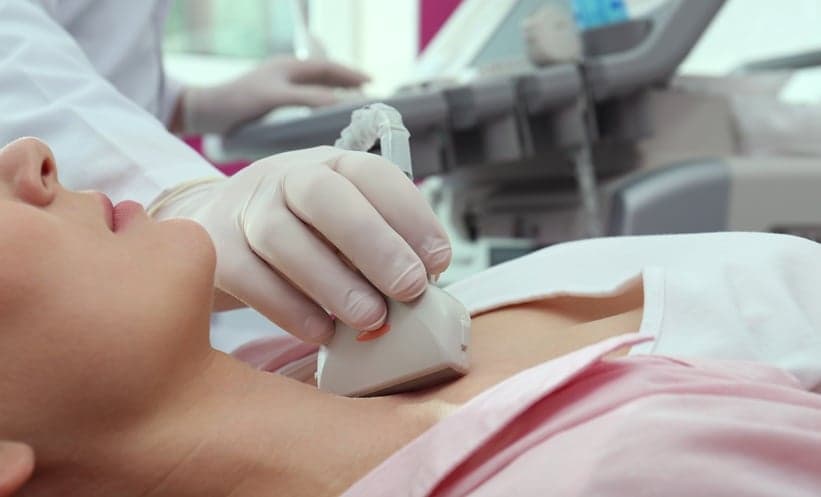
The historic overdiagnosis of thyroid cancer can be attributed to advances in diagnostic technology, which have enabled doctors to detect smaller and more subtle tumors. While these advancements have improved diagnostic accuracy, they have also led to the identification of cancers that may not have caused harm if left untreated. According to Dr. David Taylor, a thyroid cancer specialist, "the increased use of ultrasound and other imaging technologies has resulted in the detection of many small, incidentally discovered thyroid cancers, which may not have been detected in the past."
Consequences of Overdiagnosis
The consequences of overdiagnosis are far-reaching and can have a significant impact on patient care and treatment outcomes. Patients who are overdiagnosed with thyroid cancer may undergo unnecessary surgery, which can result in complications such as vocal cord damage, hypoparathyroidism, and scarring.
"The treatment of thyroid cancer can be complex and invasive, and patients who are overdiagnosed may be subjected to unnecessary procedures and lifelong medication,"says Dr. Sarah Lee, a thyroid cancer survivor and patient advocate. Additionally, overdiagnosis can lead to increased healthcare costs, as patients may require ongoing monitoring and treatment for a condition that may not have caused harm if left untreated.
The economic burden of overdiagnosis is also significant, with estimates suggesting that it costs the healthcare system billions of dollars each year. Dr. Mark Davis, a healthcare economist, notes that "the financial impact of overdiagnosis is substantial, and it is essential that we develop strategies to reduce unnecessary diagnosis and treatment." To address this issue, medical professionals and policymakers are working to develop guidelines and protocols that can help reduce overdiagnosis and ensure that patients receive appropriate and necessary care.
Reducing Overdiagnosis
Efforts to reduce overdiagnosis are underway, with a focus on developing more accurate diagnostic methods and improving patient care. Dr. James Wilson, a thyroid cancer researcher, notes that "we need to develop more sophisticated diagnostic tools that can distinguish between cancers that require treatment and those that can be safely monitored." Additionally, medical professionals are working to educate patients about the risks and benefits of diagnosis and treatment, enabling them to make informed decisions about their care.
As the medical community continues to grapple with the issue of overdiagnosis, it is essential that patients are aware of the potential risks and benefits of diagnosis and treatment. By working together, medical professionals, policymakers, and patients can develop strategies to reduce overdiagnosis and ensure that patients receive high-quality, patient-centered care. Dr. Chen emphasizes that "it is crucial that we prioritize patient-centered care and develop approaches that prioritize the needs and well-being of patients, rather than relying solely on diagnostic technology."
In conclusion, the historic overdiagnosis of thyroid cancer is a complex issue with significant implications for patient care, treatment outcomes, and healthcare costs. As medical professionals and policymakers work to address this issue, it is essential that patients are informed and empowered to make decisions about their care. By prioritizing patient-centered care and developing more accurate diagnostic methods, we can reduce overdiagnosis and ensure that patients receive the care they need, while minimizing unnecessary treatment and costs. The future of thyroid cancer diagnosis and treatment depends on our ability to balance the benefits of diagnostic technology with the need for careful, considered, and patient-centered care.