The Social Security and National Insurance Trust (SSNIT) has announced a significant increase in its assets, which have grown to GH¢25 billion by the end of 2025. This marks a substantial surge from the GH¢20.4 billion recorded at the close of 2024, representing a 22.5% increase in just one year. The impressive growth in SSNIT's investment portfolio has sparked a mix of reactions, with some stakeholders calling for enhanced pension literacy at the grassroots level to ensure that beneficiaries can make informed decisions about their retirement plans.
Investment Portfolio Growth
According to SSNIT officials, the significant growth in the trust's assets can be attributed to a combination of factors, including shrewd investment decisions and a stable economic environment. The trust's investment portfolio is diversified across various asset classes, including stocks, bonds, and real estate, which has helped to mitigate risks and maximize returns. As noted by Dr. John Ofori, Director of Investments at SSNIT, "our investment strategy has been yielding positive results, and we are pleased to see our assets grow to GH¢25 billion. This growth is a testament to the trust's commitment to prudent investment management and our dedication to securing the financial futures of our beneficiaries."
The growth in SSNIT's assets has also been driven by an increase in contributions from employers and employees. The trust has been working closely with stakeholders to educate them on the importance of making timely and accurate contributions, which has led to an increase in the number of active contributors. As observed by Mr. Kwame Asante, a labor expert, "the growth in SSNIT's assets is a welcome development, but it is crucial that we also focus on enhancing pension literacy at the grassroots level. Many workers, particularly in the informal sector, are not aware of their pension rights and benefits, which can lead to a lack of participation and engagement in the pension scheme."
Call for Enhanced Pension Literacy
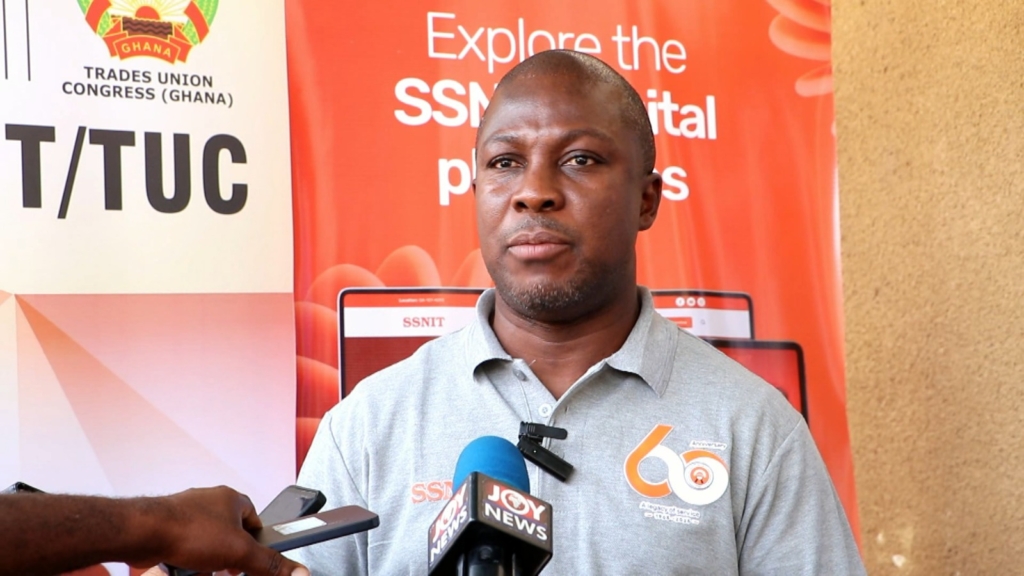
The Trades Union Congress (TUC) has been at the forefront of calling for enhanced pension literacy in Ghana. The TUC has argued that many workers, particularly at the grassroots level, lack a clear understanding of the pension scheme and how it operates. This lack of understanding can lead to a lack of participation and engagement in the pension scheme, which can have negative consequences for workers in their old age. As noted by Mr. Joshua Ansah, Secretary-General of the TUC, "we welcome the growth in SSNIT's assets, but we also believe that it is essential to educate workers about their pension rights and benefits. We are calling on SSNIT and other stakeholders to invest in pension literacy programs that will empower workers to make informed decisions about their retirement plans."
"Pension literacy is critical to ensuring that workers can plan for their retirement with confidence. We need to educate workers on how to navigate the pension scheme, how to make contributions, and how to access their benefits. This will not only enhance their financial security but also promote economic growth and development,"said Dr. Abena Osei, a pension expert.
The call for enhanced pension literacy has been echoed by other stakeholders, including the National Pensioners Association. The association has argued that pension literacy is essential for ensuring that pensioners can access their benefits without any challenges. As observed by Mr. Kofi Mensah, President of the National Pensioners Association, "many pensioners face challenges in accessing their benefits due to a lack of understanding of the pension scheme. We need to educate pensioners on how to navigate the system and access their benefits without any delays or difficulties."
Way Forward
The growth in SSNIT's assets is a positive development, but it is crucial that stakeholders work together to enhance pension literacy at the grassroots level. This can be achieved through a combination of education and awareness programs, which will empower workers to make informed decisions about their retirement plans. As noted by Dr. Ofori, "we are committed to working with stakeholders to enhance pension literacy in Ghana. We believe that this is essential for ensuring that workers can plan for their retirement with confidence and access their benefits without any challenges."
In conclusion, the growth in SSNIT's assets to GH¢25 billion is a significant milestone, but it is crucial that stakeholders prioritize pension literacy at the grassroots level. By working together, we can empower workers to make informed decisions about their retirement plans and promote economic growth and development in Ghana. As the pension sector continues to evolve, it is essential that we prioritize the needs of workers and pensioners, and work towards creating a more sustainable and equitable pension system for all. The future of pension management in Ghana looks promising, and with the right investments in education and awareness, we can create a more secure and prosperous future for generations to come.