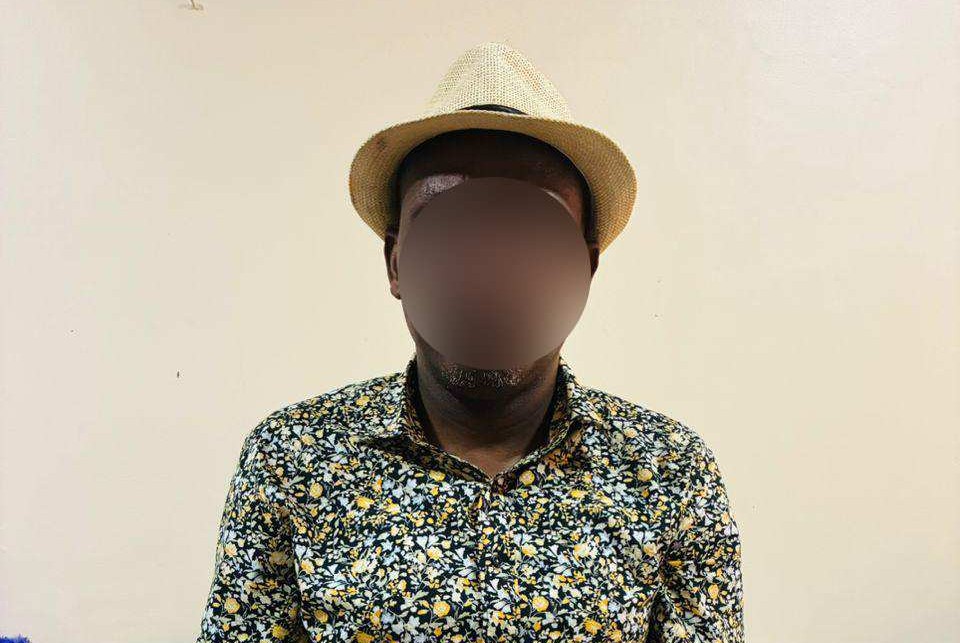
The Ghana Police Service's Criminal Investigations Department (CID) has taken a significant step in addressing the recent controversy surrounding Counsellor Lutterodt, arresting the popular counselor over comments made in a viral video. The video, which has been widely circulated on social media platforms, appears to show Counsellor Lutterodt inciting some youth to storm the residence of the late highlife musician, Daddy Lumba. This move by the CID is seen as a decisive action to prevent any potential breach of peace and to hold individuals accountable for their words and actions.
According to Assistant Superintendent of Police (ASP) Afia Tenge, a spokesperson for the CID, the arrest was made after the department received several complaints regarding the content of the video. "We take such complaints seriously and have a responsibility to ensure that the public is protected from any form of harm or incitement," ASP Tenge explained. "Counsellor Lutterodt's comments were deemed to be potentially inflammatory, and we had to act swiftly to prevent any escalation of the situation." The CID's swift action highlights the importance of responsible speech, especially in a society where words can have significant consequences.
Background to the Arrest
The controversy began when a video surfaced showing Counsellor Lutterodt making comments about Daddy Lumba, which some interpreted as an incitement to violence. The video sparked widespread outrage, with many calling for Counsellor Lutterodt to be held accountable for his words.
"As a public figure, Counsellor Lutterodt should be aware of the impact his words can have on the public,"said Dr. Kwame Amoah, a media expert. "It is essential for individuals in positions of influence to exercise restraint and consider the potential consequences of their statements." The incident serves as a reminder of the power of speech and the need for responsible communication, especially in the age of social media.
The CID's decision to arrest Counsellor Lutterodt has been welcomed by many, who see it as a necessary step to maintain law and order. Mr. Kofi Bentum, a legal practitioner, noted that
"the law is clear on issues of incitement, and it is the responsibility of the police to enforce it."He added, "The arrest of Counsellor Lutterodt should serve as a deterrent to others who may consider making similar comments in the future." As the legal process unfolds, it will be crucial to watch how the case against Counsellor Lutterodt develops and how it impacts discussions around free speech and public safety.
Implications and Next Steps
The arrest of Counsellor Lutterodt has significant implications for the ongoing debate about free speech and the role of public figures in Ghana. While some argue that the arrest represents an overreach by the authorities, others see it as a necessary measure to protect the public from harm. Professor Akosua Adomako Ampofo, a sociologist, observed that
"the issue at hand is not just about free speech, but also about the potential consequences of one's words."She emphasized the need for a balanced approach that respects individual rights while protecting the well-being of society. As the case progresses, it will be important to consider these broader implications and how they reflect the evolving landscape of public discourse in Ghana.
Looking ahead, the CID is expected to continue its investigation into the matter, with Counsellor Lutterodt likely to face charges related to incitement. The outcome of the case will be closely watched, as it could set a precedent for how similar incidents are handled in the future. In the meantime, the public is advised to remain calm and to refrain from making any comments that could be seen as inflammatory. By taking a proactive and decisive stance, the authorities aim to ensure that the situation does not escalate further and that peace and order are maintained.
In conclusion, the arrest of Counsellor Lutterodt by the CID marks a significant development in the ongoing saga surrounding his comments on Daddy Lumba. As the legal process unfolds, it will be essential to monitor the situation closely and to consider the broader implications for free speech, public safety, and the role of public figures in Ghana. The hope is that this incident will serve as a catalyst for more responsible and thoughtful public discourse, where individuals can express their opinions without fear of repercussions, but also with a deep awareness of the potential impact of their words.