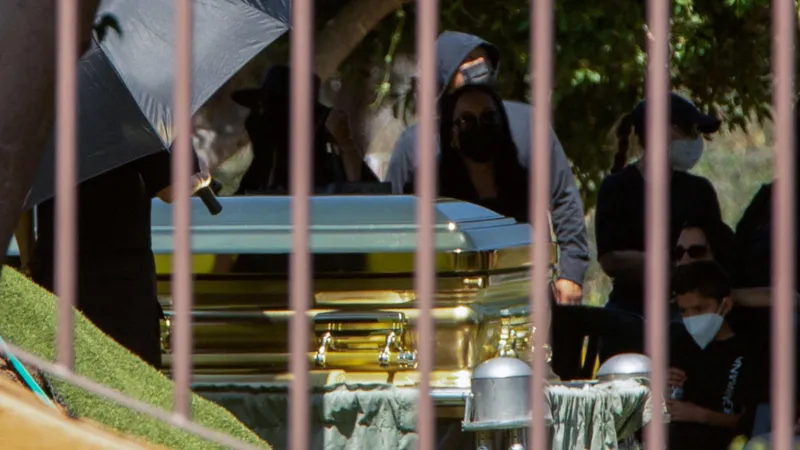

The serial killer's reign of terror spanned several years, with the first reported murder occurring in 2018. The victims, mostly young women and children, were found with similar injuries, leading investigators to suspect a link between the crimes. As the body count rose, so did the level of fear and anxiety in the affected communities. According to Dr. Akosua Adjei, a criminologist at the University of Ghana, "serial killers often target vulnerable individuals and exploit the trust of their communities, making it challenging for law enforcement to identify and apprehend them." The killer's ability to evade capture for an extended period underscores the complexity of investigating such cases.
Investigation and Prosecution
The Ghana Police Service launched a thorough investigation into the murders, collecting evidence and following leads that eventually led to the identification of the suspect.
"We worked tirelessly to gather evidence, conduct forensic analysis, and interview witnesses to build a strong case against the suspect," said Superintendent Emmanuel Ofori, who led the investigation team.The police also collaborated with other law enforcement agencies, including the Criminal Investigations Department, to share intelligence and best practices in investigating serial killings. The prosecution team, led by State Attorney Linda Quaye, presented a robust case, highlighting the suspect's guilt and the severity of the crimes committed.
The suspect's guilty plea was a significant turning point in the case, as it saved the families of the victims from the trauma of a lengthy trial. According to Justice Francis Obeng, who presided over the case, "the guilty plea demonstrated the suspect's acknowledgment of the gravity of his actions and his willingness to accept responsibility for the harm caused." The life imprisonment sentence reflects the severity of the crimes and serves as a deterrent to potential offenders.
Community Reaction
The sentence has been welcomed by the communities affected by the serial killer's actions. Residents of Wa and surrounding towns have expressed relief and gratitude to the law enforcement agencies and the judiciary for bringing the perpetrator to justice.
"We can finally sleep at night, knowing that the person responsible for the deaths of our loved ones is behind bars," said Amidu Sulemana, a resident of Wa whose sister was one of the victims.The sentence has also sparked a renewed sense of hope and trust in the justice system, with many calling for continued efforts to prevent such crimes from occurring in the future.
The Ghana Police Service has assured the public that it will continue to work tirelessly to prevent and investigate crimes, including serial killings. According to the police, the sentence serves as a reminder of the importance of community policing and the need for citizens to report suspicious activities to the authorities. As the country moves forward from this tragic episode, there is a growing recognition of the need for sustained efforts to address the root causes of violent crime and to support the families of victims.
Conclusion and Future Directions
The sentencing of the serial killer marks a significant milestone in Ghana's efforts to combat violent crime. While the sentence brings closure to the families of the victims, it also underscores the need for continued vigilance and cooperation between law enforcement agencies, the judiciary, and the communities they serve. As Dr. Adjei noted, "the fight against serial killers and violent crime requires a multifaceted approach that involves not only law enforcement but also social and economic interventions to address the underlying causes of such behavior." As Ghana looks to the future, it is essential that the country builds on the lessons learned from this case to create a safer and more just society for all.