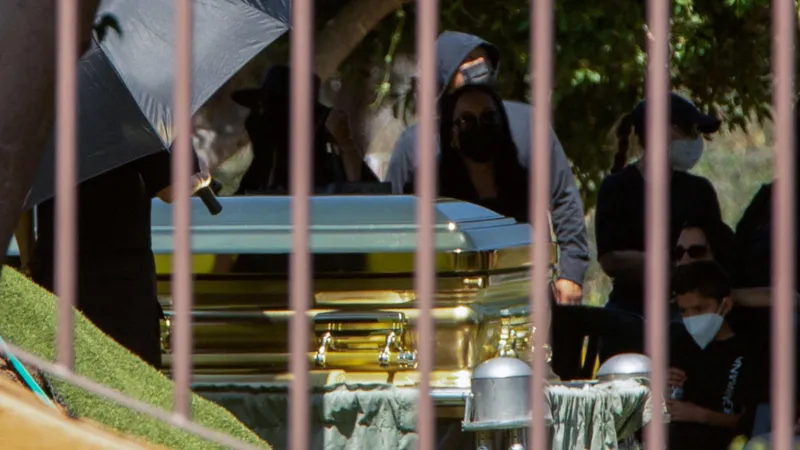
The burial of El Mencho, who was once considered one of the most wanted men in Mexico, took place under tight security, with authorities taking extensive measures to prevent any potential disruptions or attacks by rival cartels. According to Dr. Juan Hernandez, a leading expert on Mexican cartels, "The gold casket was a symbol of the wealth and power that El Mencho had accumulated during his reign as the leader of the CJNG. It's a testament to the luxurious lifestyle that he and his associates had become accustomed to, and a reminder of the vast resources at their disposal."
Background on El Mencho and the CJNG
El Mencho, whose real name is Nemesio Oseguera Cervantes, rose to prominence as the leader of the CJNG, a notorious cartel known for its brutal tactics and extensive involvement in the production and distribution of illicit substances. Under his leadership, the CJNG expanded its operations, establishing itself as one of the most powerful and feared cartels in Mexico. General Ricardo Sanchez, a high-ranking official in the Mexican military, noted, "El Mencho was a cunning and ruthless individual who managed to evade capture for many years. His death is a significant blow to the CJNG, but it's unlikely to mark the end of the cartel's activities."
The CJNG, which was founded by El Mencho and his allies, has been responsible for numerous violent attacks on rival cartels, government forces, and innocent civilians. The cartel's activities have contributed to the escalating violence and instability in Mexico, with many regions experiencing high levels of crime and lawlessness.
"The CJNG has been a major player in the Mexican drug trade for many years, and its influence extends far beyond the country's borders,"said Dr. Maria Rodriguez, a specialist on organized crime.
"The cartel's reach and capabilities are a testament to the complexity and depth of the criminal networks that operate in the region."
Implications of El Mencho's Death
The death of El Mencho has significant implications for the future of the CJNG and the broader landscape of organized crime in Mexico. While the loss of its leader is likely to weaken the cartel in the short term, it's unclear whether this will lead to a lasting reduction in violence or a shift in the balance of power among rival cartels. Senator Luis Garcia, a member of the Mexican Congress, warned, "The death of El Mencho may create a power vacuum that could lead to further instability and violence. It's essential that the government takes a proactive approach to addressing the underlying issues that have allowed cartels like the CJNG to thrive."
The Mexican government has faced criticism for its handling of the cartel situation, with many arguing that a more effective strategy is needed to combat the root causes of organized crime. General Sanchez emphasized, "The military will continue to play a crucial role in the fight against cartels, but it's equally important that we address the social and economic factors that drive people to join these organizations. We need a comprehensive approach that includes education, job creation, and community development initiatives to reduce the allure of the cartels and promote stability in the region."
Nationwide Cartel Violence on the Rise
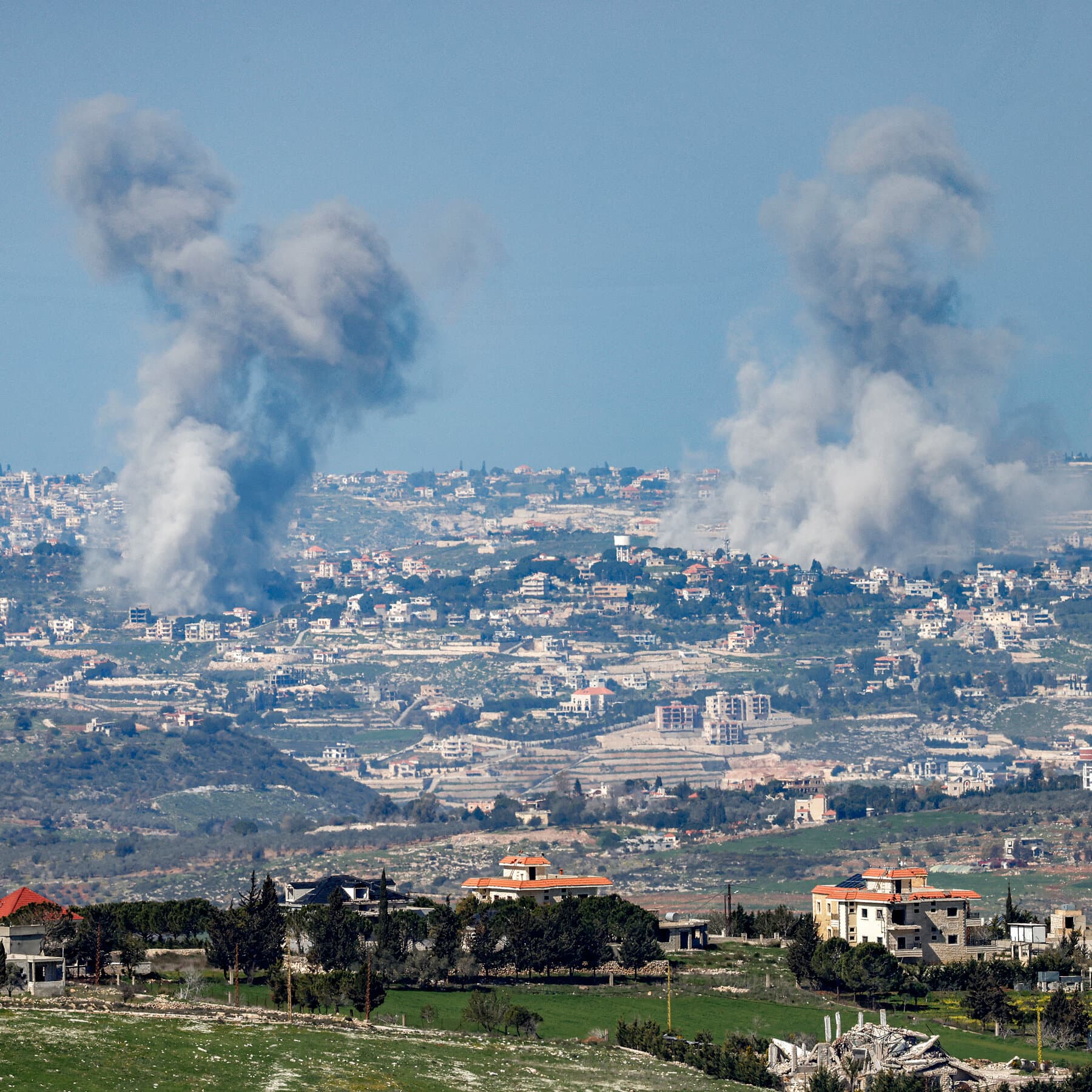
In the aftermath of El Mencho's death, Mexico has experienced a surge in cartel-related violence, with reports of attacks and clashes between rival groups on the rise. The situation has raised concerns about the potential for further destabilization and the impact on innocent civilians. Dr. Hernandez cautioned, "The increase in violence is a predictable consequence of the power vacuum created by El Mencho's death. As rival cartels and factions within the CJNG itself vie for control, we can expect to see more bloodshed and instability in the coming weeks and months."
As the situation continues to unfold, the Mexican government is under pressure to demonstrate its ability to maintain order and protect its citizens. The burial of El Mencho in a gold casket serves as a poignant reminder of the luxurious lifestyle and arrogance of the cartel leaders, but it also highlights the need for a more effective and sustainable approach to addressing the underlying issues that have allowed these organizations to thrive. In the words of Senator Garcia, "The death of El Mencho is a significant milestone, but it's only the beginning of a long and difficult journey towards peace and stability in Mexico."
In conclusion, the death of El Mencho and the subsequent burial in a gold casket mark a significant turning point in the history of the CJNG and the broader cartel landscape in Mexico. As the country navigates this critical juncture, it's essential that the government, in conjunction with civil society and international partners, adopts a comprehensive and multifaceted approach to addressing the root causes of organized crime and promoting lasting peace and stability in the region. The future of Mexico hangs in the balance, and the coming weeks and months will be crucial in determining the trajectory of this pivotal moment in the country's history.