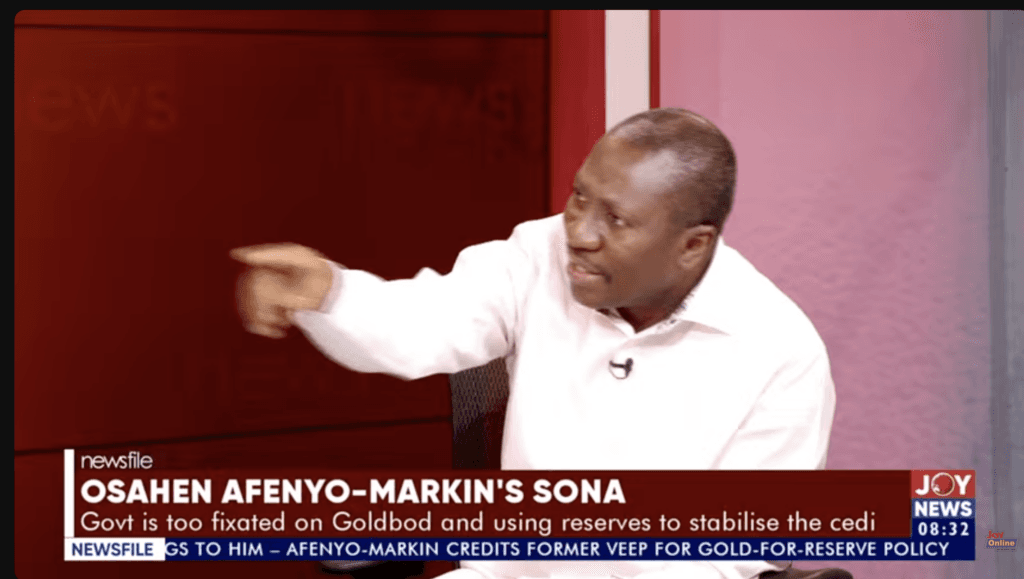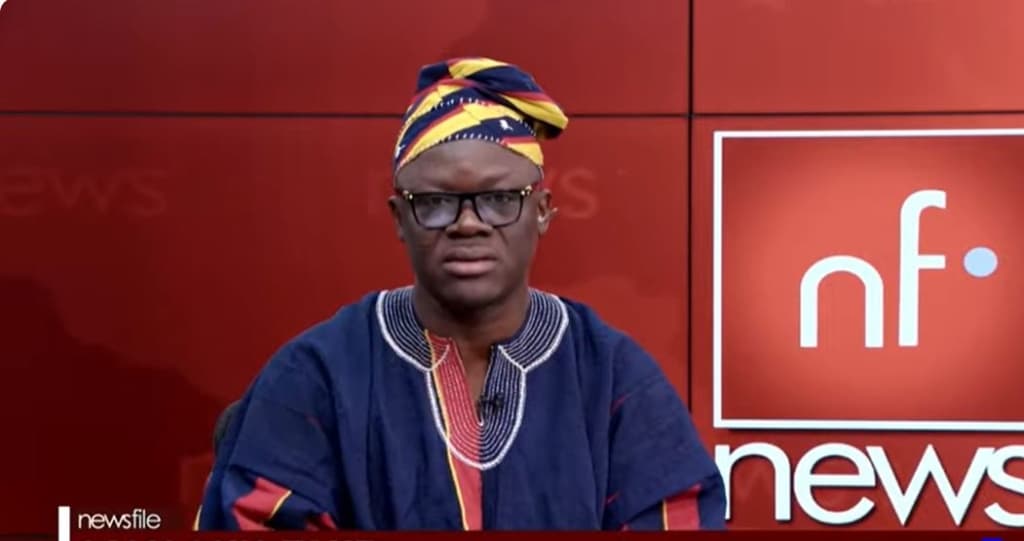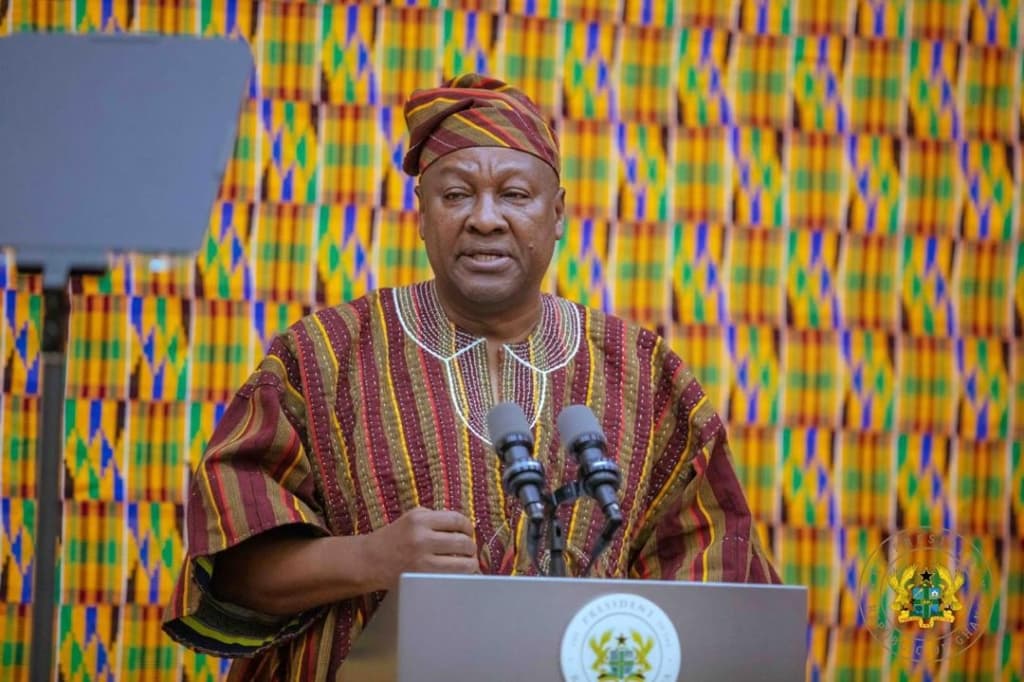
The session, which was attended by members of Parliament, dignitaries, and other stakeholders, began with a formal introduction by the Speaker of Parliament, followed by the President's address. In his speech, President Mahama highlighted the government's achievements in various sectors, including economy, education, healthcare, and infrastructure. He also acknowledged the challenges facing the country, such as unemployment, corruption, and inequality, and outlined his administration's plans to address these issues. As Hon. Akua Dansua, a member of Parliament, noted, "The President's address was comprehensive and honest, and it showed that he is committed to tackling the problems facing our country."
Key Highlights of the Address
The President's address touched on several key areas, including the economy, which he described as "resilient" despite the challenges posed by the global economic downturn. He highlighted the government's efforts to diversify the economy, promote entrepreneurship, and create jobs. On education, the President announced plans to increase access to quality education, particularly for disadvantaged groups, and to improve the country's educational infrastructure. In the area of healthcare, he outlined his administration's plans to strengthen the national health system, improve healthcare delivery, and reduce the burden of diseases. As Dr. Kwame Amponsah, a healthcare expert, observed, "The President's commitment to healthcare is commendable, and we hope that his plans will translate into tangible improvements in the lives of our people."
The President also addressed the issue of corruption, which he described as a "cancer" that must be fought with all seriousness. He announced plans to strengthen anti-corruption institutions, promote transparency and accountability, and punish corrupt practices. On infrastructure, the President highlighted the government's investments in roads, transportation, energy, and other critical sectors, and announced plans to undertake new projects to support economic growth and development. As Ing. Emmanuel Adjei, a civil engineer, noted, "The President's infrastructure plans are ambitious, and we hope that they will help to address the country's infrastructure deficit and support economic growth."
Reactions to the Address
The President's address drew a range of reactions from lawmakers, experts, and citizens. While some praised the President for his honesty and commitment to addressing the country's challenges, others criticized him for not doing enough to tackle the problems facing the nation. As Mr. Kofi Addo, a citizen, noted, "I was impressed by the President's address, and I believe that he is on the right track. However, I hope that he will follow through on his promises and deliver tangible results." On the other hand, Mr. Yaw Boateng, a member of the opposition, argued that "The President's address was disappointing, and it showed that he is out of touch with the reality on the ground. We need a new vision and a new leadership to take our country forward."
"The State of the Nation Address is not just a ritual, but an opportunity for the President to connect with the people and to outline his vision for the country. We hope that the President will follow through on his promises and work tirelessly to address the challenges facing our nation." - Dr. Eric Owusu, political analyst
As the country reflects on the President's address, there are high expectations that his administration will deliver on its promises and work to address the challenges facing the nation. The President's commitment to transparency, accountability, and good governance is commendable, and it is hoped that these values will guide his administration's actions in the coming months. As the country looks to the future, it is clear that the President's address has set the tone for a new era of cooperation, dialogue, and collective action to build a better future for all Ghanaians.
In conclusion, the State of the Nation Address delivered by President John Dramani Mahama has provided a comprehensive overview of the country's progress, challenges, and future prospects. As the country moves forward, it is essential that all stakeholders, including the government, opposition, civil society, and citizens, work together to address the challenges facing the nation and to build a brighter future for all. The President's address has shown that he is committed to tackling the problems facing the country, and it is now up to all of us to support him and to hold him accountable for his promises. As Dr. Kwame Amponsah noted, "The future of our country is in our hands, and we must work together to build a better tomorrow for ourselves and for future generations."