
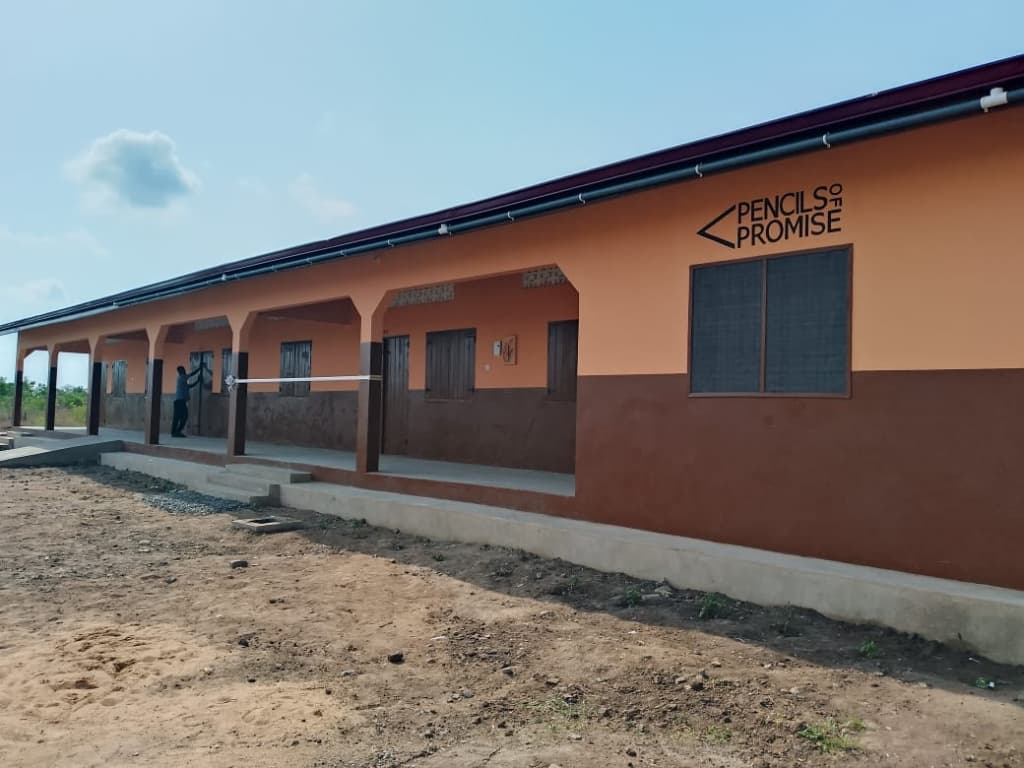
The Mafi-Kumikpo-Deekpo R/C Basic School, prior to this donation, was grappling with severe infrastructural deficits, a situation that not only hindered the delivery of quality education but also posed health and safety risks to its students and staff. The school's plight is reflective of the broader challenges faced by many educational institutions in rural and underprivileged areas, where basic facilities such as classrooms, libraries, and water, sanitation, and hygiene (WASH) facilities are often lacking. The construction of the three-unit classroom block, complete with ancillary facilities, is a direct response to these needs, underscoring Pencils of Promise's commitment to bridging the educational infrastructure gap in disadvantaged communities.
Addressing Educational Inequalities
The initiative by Pencils of Promise to support the Mafi-Kumikpo-Deekpo R/C Basic School is part of a larger strategy to address educational inequalities and promote inclusivity in access to quality education. Educational inequalities are a pervasive issue in many parts of the world, with factors such as socioeconomic status, geographical location, and availability of resources significantly influencing the quality of education one can access. By focusing on the construction of educational infrastructure in deprived areas, Pencils of Promise aims to contribute to the leveling of the educational playing field, ensuring that all children, regardless of their background, have access to safe, conducive, and inclusive learning environments.
Experts and local officials have welcomed the intervention, highlighting its potential to not only improve educational outcomes but also to inspire community engagement and development. According to Madam Akua Dansua, District Director of Education, "The provision of this classroom block is a beacon of hope for our community. It represents a significant investment in the future of our children and underscores the importance of collaboration between governmental and non-governmental entities in advancing educational development." She further emphasized the need for sustained support, stating, "While this donation addresses a critical need, it is imperative that we continue to work together to ensure that our schools are equipped with the necessary resources and facilities to deliver high-quality education."
"Education is the foundation upon which the future of any society is built. By supporting the development of educational infrastructure, we are not only enhancing the learning experience of individual pupils but are also contributing to the long-term prosperity and stability of entire communities," remarked Freddie Blay, Regional Minister, during the handover ceremony. "The challenge of educational underdevelopment is complex and multifaceted, requiring a concerted effort from all stakeholders. We commend Pencils of Promise for their dedication to this noble cause and look forward to continued partnership in our quest for educational excellence."
Looking Ahead
The handover of the three-unit classroom block to the Mafi-Kumikpo-Deekpo R/C Basic School marks a significant step forward in the pursuit of educational equity and excellence in the Volta Region. As the community begins to utilize these new facilities, there are high hopes for improved academic performance, increased enrollment, and a more engaging learning experience for students. However, the journey towards achieving comprehensive educational development is ongoing, with numerous challenges still to be addressed. Pencils of Promise and other like-minded organizations are poised to continue playing a vital role in this endeavor, working in tandem with local authorities, educational institutions, and communities to foster an environment that supports the holistic development of children and prepares them to thrive in an ever-evolving world.
In conclusion, the donation of a three-unit classroom block to the Mafi-Kumikpo-Deekpo R/C Basic School by Pencils of Promise represents a crucial step in the right direction, highlighting the power of collaborative efforts in addressing the pressing issues confronting educational systems in disadvantaged areas. As stakeholders continue to work together to overcome these challenges, there is a growing optimism about the potential for transformative change, one that could redefine the educational landscape and unlock the full potential of future generations. The success of such initiatives serves as a powerful reminder of the impact that can be achieved when commitment, resources, and expertise are pooled towards a common goal – in this case, the pursuit of equitable, quality education for all.