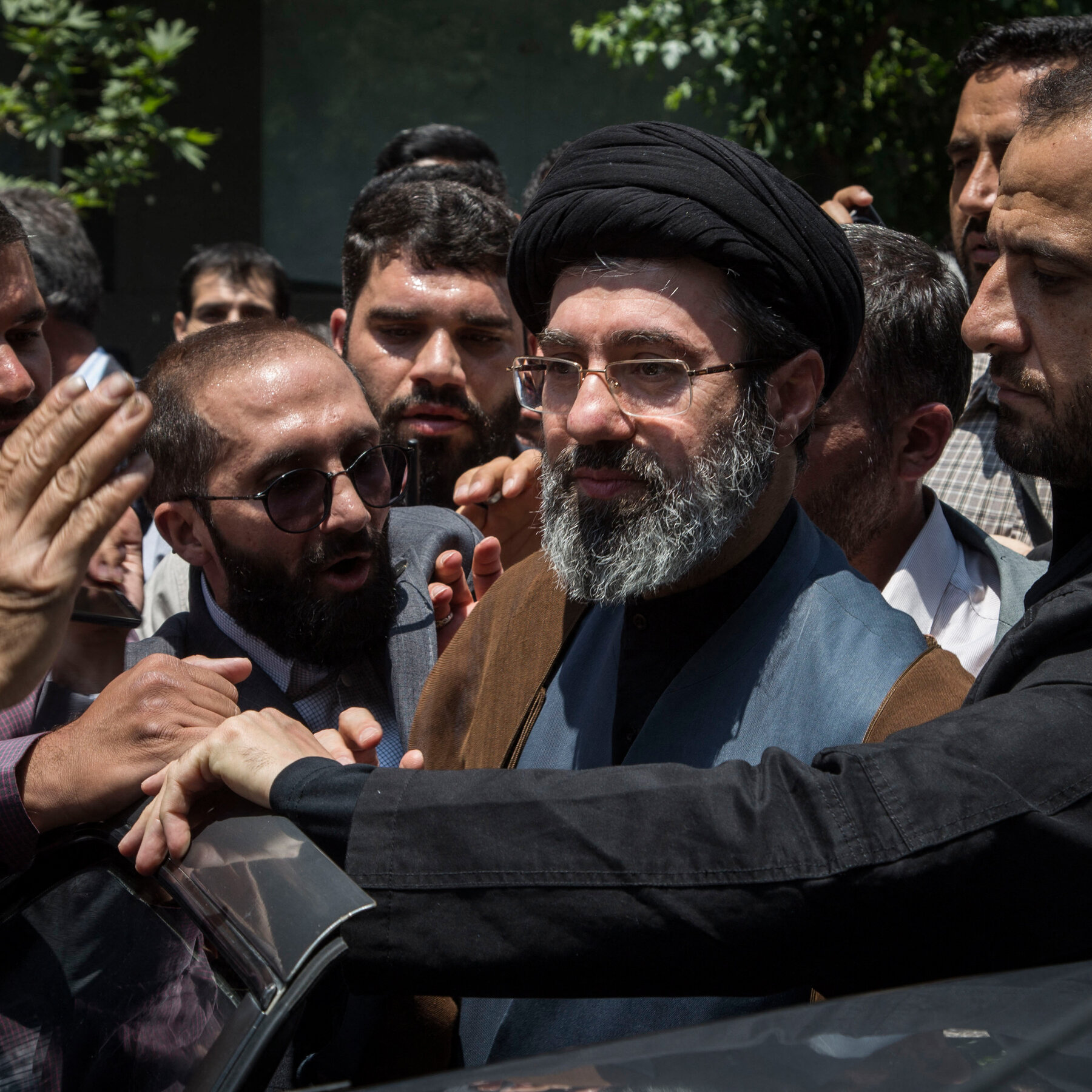
The recent passing of Ayatollah Ali Khamenei has left a significant power vacuum in Iran, with his successor set to inherit a vast and secretive office that has become the epicenter of the country's national security apparatus. The office, which was traditionally responsible for religious affairs, has undergone a significant transformation under Khamenei's leadership, evolving into a shadowy juggernaut that dominates Iran's political and military landscape. As the new Supreme Leader takes the reins, experts are keenly watching to see how they will navigate this complex and powerful institution.
According to Dr. Sanam Vakil, a leading expert on Iranian politics at the prestigious Chatham House think tank, "The Supreme Leader's office has become the nerve center of Iran's national security decision-making process. It has a significant influence over the country's military, intelligence, and foreign policy, and is responsible for coordinating the activities of various government agencies and security forces." Vakil adds, "The office's reach and influence extend far beyond the traditional realm of religious affairs, and it has become a major player in shaping Iran's domestic and foreign policy agendas."
The Evolution of the Supreme Leader's Office
Under Khamenei's leadership, the Supreme Leader's office underwent a significant transformation, expanding its mandate to include a wide range of national security and foreign policy issues. This transformation was driven in part by Khamenei's own experiences as a revolutionary leader and his desire to consolidate power and ensure the survival of the Islamic Republic. As Iranian political analyst Ali Vaez notes, "Khamenei's vision for the Supreme Leader's office was to create a coordinating body that could bring together the various branches of government and security forces to address the country's most pressing national security challenges."
The result has been the creation of a highly centralized and secretive institution that is responsible for making key decisions on Iran's national security and foreign policy. The office is staffed by a network of loyal officials and advisors who are handpicked by the Supreme Leader, and it has extensive ties to the country's security forces, including the Revolutionary Guards and the intelligence services. As Vaez observes, "The Supreme Leader's office has become a hub of power and influence in Iran, and its reach extends into every aspect of the country's political and military life."
Implications for the New Supreme Leader
The new Supreme Leader will inherit an office that is both powerful and complex, with a vast network of responsibilities and obligations. As they navigate this institution, they will be faced with a range of challenges, from managing the country's national security and foreign policy to balancing the competing interests of various government agencies and security forces. According to Dr. Suzanne Maloney, a senior fellow at the Brookings Institution, "The new Supreme Leader will need to be strategically adept and able to navigate the complex web of relationships and interests that exist within the office and across the broader Iranian government."
The Supreme Leader's office is a unique institution that requires a deep understanding of Iranian politics and society, as well as a keen sense of strategic vision and leadership. The new Supreme Leader will need to be able to balance the competing demands of various stakeholders, while also advancing the country's national interests and ensuring the survival of the Islamic Republic.As Maloney notes, "This will be a tall order for the new Supreme Leader, but it is one that they must navigate successfully if they are to consolidate their power and ensure the long-term stability of the Iranian government."
Looking Ahead
As the new Supreme Leader takes office, experts are watching closely to see how they will manage the complex and secretive institution that they have inherited. Will they continue to expand the office's mandate and influence, or will they seek to reform and streamline its operations? How will they balance the competing interests of various government agencies and security forces, and what implications will their decisions have for Iran's national security and foreign policy? According to Vaez, "The new Supreme Leader's ability to navigate the complexities of the office and advance the country's national interests will be critical to their success, and will have significant implications for the future of Iran and the broader region."
In conclusion, the new Supreme Leader of Iran has inherited a sprawling and secretive office that dominates the country's national security and foreign policy landscape. As they navigate this complex institution, they will be faced with a range of challenges and opportunities, from managing the country's national security and foreign policy to balancing the competing interests of various government agencies and security forces. The implications of their decisions will be far-reaching, and will have significant consequences for the future of Iran and the broader region. As the world watches, one thing is clear: the new Supreme Leader's ability to manage the Supreme Leader's office will be critical to their success, and will shape the course of Iranian politics and society for years to come.