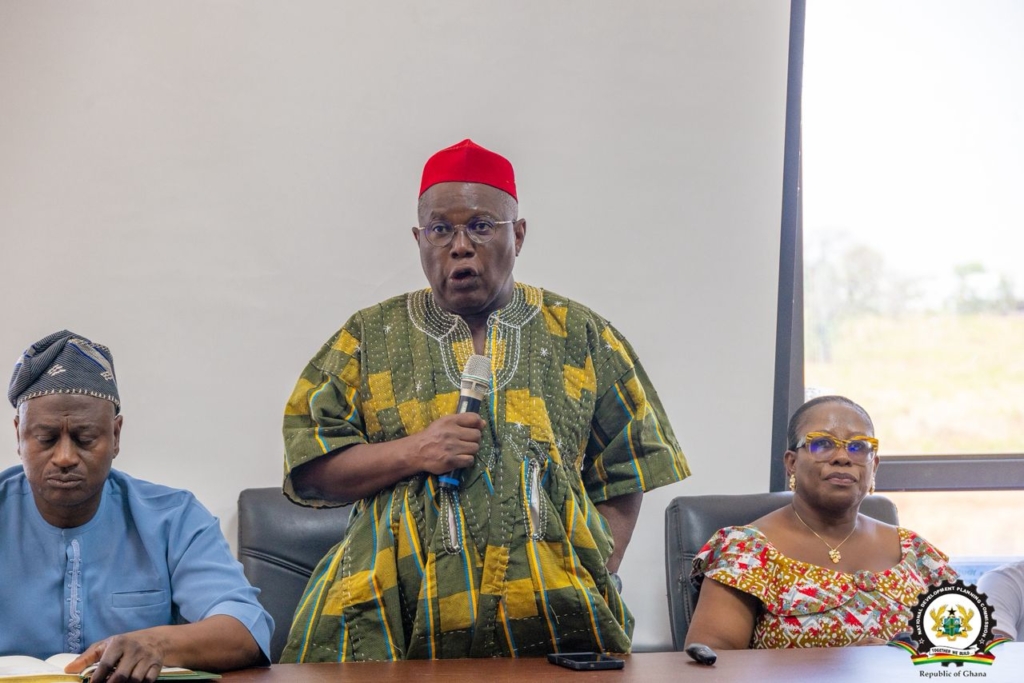
The National Development Planning Commission (NDPC) has emphasized the crucial role of combating corruption in achieving effective development planning in Ghana. According to Dr. Nii Moi Thompson, Chairman of the NDPC, tackling corruption and promoting strong national values are essential for the country's development. Speaking at a stakeholder engagement in the North East Region, Dr. Thompson warned that weak ethical standards continue to compromise the use of public resources, hindering the country's progress.
The NDPC Chairman's statement highlights the urgent need for a collective effort to address corruption and promote transparency in the use of public resources. Corruption is a major obstacle to development, as it diverts resources away from essential public services and infrastructure, ultimately affecting the most vulnerable populations. Dr. Thompson's remarks are a call to action for all stakeholders, including government agencies, civil society organizations, and the private sector, to work together to promote good governance and accountability.
The Impact of Corruption on Development
Corruption has far-reaching consequences for Ghana's development, affecting not only the economy but also the social and political fabric of the country.
"Corruption is a cancer that eats away at the foundation of our society, undermining trust in institutions and perpetuating inequality,"said Dr. Thompson. The NDPC Chairman emphasized that corruption is not just a moral issue, but also a development issue, as it hinders the effective allocation of resources and undermines the delivery of public services.
The World Bank estimates that corruption costs developing countries like Ghana billions of dollars each year, money that could be invested in essential public services like healthcare, education, and infrastructure. In Ghana, corruption is often cited as a major obstacle to doing business, discouraging investment and hindering economic growth. Addressing corruption is therefore critical to unlocking the country's development potential, creating an environment that is conducive to investment, innovation, and job creation.
Promoting Transparency and Accountability
To address corruption and promote transparency, the NDPC has called for a strengthening of institutions and the implementation of robust accountability mechanisms.
"We need to build institutions that are strong, independent, and accountable, institutions that can withstand the pressures of corruption and promote the public interest,"said Dr. Thompson. The NDPC Chairman emphasized the importance of citizen participation and engagement in the development process, ensuring that the voices of all stakeholders are heard and their concerns addressed.
The government has taken steps to address corruption, including the establishment of anti-corruption agencies and the implementation of policies to promote transparency and accountability. However, more needs to be done to address the underlying causes of corruption and promote a culture of integrity and accountability. Civil society organizations and the media have a critical role to play in promoting transparency and holding those in power accountable, ensuring that the government is responsive to the needs of citizens and that public resources are used for the public good.
A Collective Effort to Combat Corruption
Combating corruption requires a collective effort from all stakeholders, including government agencies, civil society organizations, the private sector, and citizens.
"We all have a role to play in promoting transparency and accountability, and in ensuring that our country is developed in a way that benefits all Ghanaians,"said Dr. Thompson. The NDPC Chairman emphasized the importance of collaboration and cooperation, working together to address the complex challenges facing the country and promoting a culture of integrity and accountability.
The private sector has a critical role to play in promoting transparency and accountability, ensuring that business practices are ethical and responsible. Companies must prioritize integrity and transparency in their operations, avoiding corrupt practices and promoting a culture of accountability. Civil society organizations and the media must also continue to play a watchdog role, holding those in power accountable and promoting transparency and accountability.
In conclusion, the NDPC Chairman's emphasis on anti-corruption as a key to effective development planning highlights the urgent need for a collective effort to address corruption and promote transparency in Ghana. By working together and prioritizing integrity and accountability, we can unlock the country's development potential and create a brighter future for all Ghanaians. As Dr. Thompson noted,
"The future of our country depends on our ability to work together to promote transparency, accountability, and good governance. Let us join forces to build a Ghana that is just, equitable, and prosperous for all."