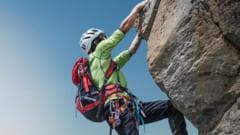
A recent manslaughter conviction in Austria, following a tragic climbing fatality, has reverberated through the international mountaineering community, sparking urgent and profound debates about the delicate balance between personal responsibility, professional accountability, and the inherent, often unpredictable, risks of high-altitude pursuits. The verdict has forced climbers, guides, and legal experts alike to re-examine established norms, challenging the very spirit of adventure in the face of heightened legal scrutiny.
The case, which concluded in an Austrian court last month, saw a seasoned mountain guide found guilty of gross negligence leading to the death of a client during a challenging ascent. According to court documents, the prosecution successfully argued that the guide had failed to adequately assess rapidly deteriorating weather conditions and the client's apparent fatigue, continuing the climb despite clear warning signs. The client, a 42-year-old woman, subsequently fell to her death from a steep ridge during a whiteout. While the specifics of the incident were hotly contested, the court’s decision has sent a clear message: even in environments where risk is an accepted constant, legal responsibility can be attributed when negligence is proven.
Redefining Professional Accountability
The implications for professional mountain guides are particularly acute. Many feel that the verdict places an unprecedented legal burden on their shoulders, potentially chilling their willingness to lead challenging expeditions.
"We are always operating with an acute awareness of risk, making split-second decisions in dynamic environments," says Lena Huber, a veteran UIAGM-certified mountain guide based in Innsbruck, Austria, who has led expeditions across the Alps for over two decades. "This verdict undeniably places a heavier legal burden on professionals. While guides always prioritize safety, the question now is how far that responsibility extends when a client knowingly accepts inherent risks. Does it mean we must turn back at the first sign of discomfort, even if the client is capable and eager to continue?"
Huber’s concerns are echoed by guiding associations across Europe and North America, which are now reviewing their training protocols, liability waivers, and emergency procedures. The fear is that an overly cautious approach, driven by legal anxieties, could stifle the very essence of mountaineering, turning adventurous climbs into overly sanitized experiences.
The Client's Role: Personal Responsibility
Beyond professional guides, the verdict has also ignited discussions among recreational climbers about the extent of personal responsibility. Mountaineering has long been celebrated for its emphasis on self-reliance, decision-making, and the acceptance of calculated risks. Many climbers argue that participants, especially adults, enter these environments fully aware of the dangers involved and should bear significant responsibility for their own choices and preparedness.
"Part of the allure of climbing is pushing boundaries, taking calculated risks, and accepting that mountains are inherently dangerous," states Mark Jenkins, an avid amateur climber with experience in the Dolomites and the Canadian Rockies. "If every mishap leads to a court case, it drains the spirit of adventure. We accept that mountains are dangerous; we need to decide where personal choice ends and someone else's fault begins. Clients also have a responsibility to be honest about their abilities and to speak up."
This perspective highlights the tension between the desire for unadulterated adventure and the increasing societal demand for safety and accountability. The question arises: to what extent can an individual truly delegate their personal safety, even when under the guidance of a professional?
Legal Precedent and Future Implications
Legal experts are closely watching the case, noting its potential to set a precedent for other high-risk sports and adventure tourism. Dr. Elias Vance, a legal scholar specializing in sports and outdoor recreation law, believes the verdict could lead to significant shifts in how risk is managed and communicated.
"The precedent set here could have far-reaching implications, not just for professional guides but potentially for anyone leading a group in high-risk activities," explains Dr. Vance. "It forces a re-evaluation of waivers, informed consent, and the precise definition of negligence in extreme environments. Courts are increasingly scrutinizing whether participants truly understand and accept all risks, especially when a professional is involved. We might see a trend towards more explicit risk disclosure and perhaps even mandatory aptitude assessments for clients."
The discussions are not limited to the legal framework but extend to the ethical dimensions of guiding and participating in high-risk activities. Questions are being raised about the adequacy of current training standards, the psychological pressures on guides to complete objectives, and the responsibility of clients to select appropriate trips for their skill levels. Some argue that a more robust system of client screening and education is needed, while others advocate for clearer legal distinctions between inherent risks of the activity and risks introduced by negligence.
Seeking an Equilibrium
As the climbing community grapples with the aftermath of the Austrian verdict, the search for an equitable balance between adventure and safety, responsibility and accountability, continues. While no one disputes the paramount importance of safety, many fear that an overly litigious environment could fundamentally alter the character of mountaineering, stripping it of its raw, self-reliant appeal.
The challenge ahead lies in fostering a culture that upholds the highest standards of professional guidance and client preparedness, without extinguishing the very spirit of exploration and personal challenge that defines the sport. As mountaineers weigh the risks and rewards, the industry must adapt, ensuring that the pursuit of the summit remains both exhilarating and, as far as humanly possible, safe. The Austrian verdict serves as a stark reminder that even in the most majestic and unforgiving landscapes, human decisions carry profound legal and ethical weight.