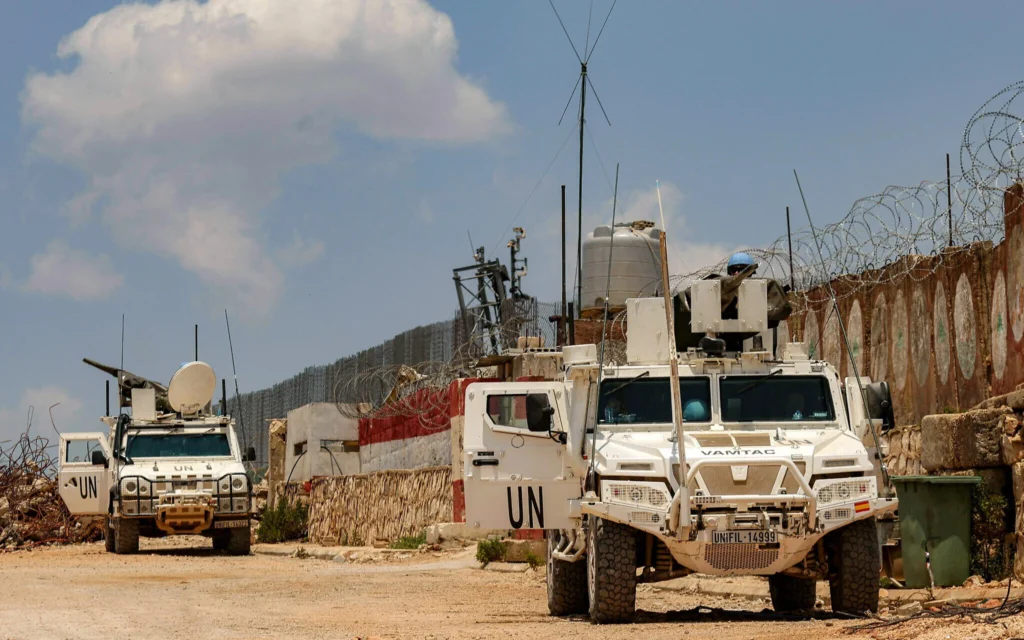

The Minority's concerns are not unfounded, as there have been numerous reports of Ghanaian citizens facing difficulties and dangers while working or living abroad. According to Dr. Kwame Obeng, a security expert, "the Gulf region, in particular, poses significant risks to Ghanaian workers due to its volatile geopolitical landscape and stringent labor laws." He notes that "many Ghanaians have fallen victim to exploitation, abuse, and even violence while working in these countries, highlighting the need for more robust protection mechanisms." The Minority's call for stronger maritime security measures is also timely, given the increasing importance of Ghana's maritime trade and the need to protect the country's economic interests.
Maritime Security Concerns
Ghana's maritime domain is a critical component of the country's economy, with the majority of its trade passing through its ports. However, the country's maritime security has been a subject of concern in recent years, with reports of piracy, armed robbery, and other security threats. Captain Godfred Boateng, a retired naval officer, notes that "the lack of effective maritime security measures poses a significant risk to Ghana's economic interests, as well as the safety of its citizens and foreign nationals working in the sector." He emphasizes that "a more proactive approach is needed to address these security concerns, including the deployment of additional naval assets and the implementation of more effective surveillance systems."
Protection for Ghanaians Abroad
The Minority's call for enhanced protection for Ghanaian citizens living abroad is also a pressing concern. Many Ghanaians working in the Gulf region face significant challenges, including exploitation, abuse, and poor working conditions.
"We have received numerous reports of Ghanaians being subjected to forced labor, physical abuse, and other forms of mistreatment while working in these countries,"says Ms. Ama Owusu, a spokesperson for the Minority. "It is the responsibility of the government to ensure that its citizens are protected and supported, regardless of where they are in the world." The Minority is urging the government to establish more effective mechanisms for monitoring the welfare of Ghanaians abroad, as well as providing them with access to consular services and other forms of support.
Experts agree that the government needs to take a more proactive approach to addressing the concerns of Ghanaians living abroad. Dr. Akosua Darkwah, a migration expert, notes that "many countries have established specialized agencies and programs to support their citizens living abroad, and Ghana should consider doing the same." She emphasizes that "this could include providing Ghanaians with access to counseling services, legal support, and other forms of assistance to help them navigate the challenges of living and working in a foreign country." By taking a more proactive approach, the government can help to ensure that Ghanaians living abroad are protected and supported, and that their rights and interests are respected.
Government Response
The government has yet to respond formally to the Minority's call for stronger maritime security measures and enhanced protection for Ghanaians abroad. However, Mr. Kojo Mensah, a spokesperson for the Ministry of Foreign Affairs, notes that "the government is committed to protecting the interests and well-being of all Ghanaians, regardless of where they are in the world." He emphasizes that "the government is working to strengthen its diplomatic presence in key regions, including the Gulf, and to provide Ghanaians with access to a range of consular services and support." While this is a positive step, the Minority and other stakeholders will be watching closely to see how the government responds to their concerns and whether it takes concrete actions to address the challenges facing Ghanaians abroad.
In conclusion, the Minority's call for stronger maritime security measures and enhanced protection for Ghanaians abroad highlights the need for a more proactive approach to safeguarding the interests of Ghanaian nationals. As the government considers its response to these concerns, it is essential that it prioritizes the safety and well-being of its citizens, both at home and abroad. By working together, the government, the Minority, and other stakeholders can help to ensure that Ghanaians are protected and supported, and that the country's economic interests are secured. The coming weeks and months will be critical in determining the government's approach to these issues, and it is likely that the debate over maritime security and protection for Ghanaians abroad will continue to be a major focus of attention in the months ahead.