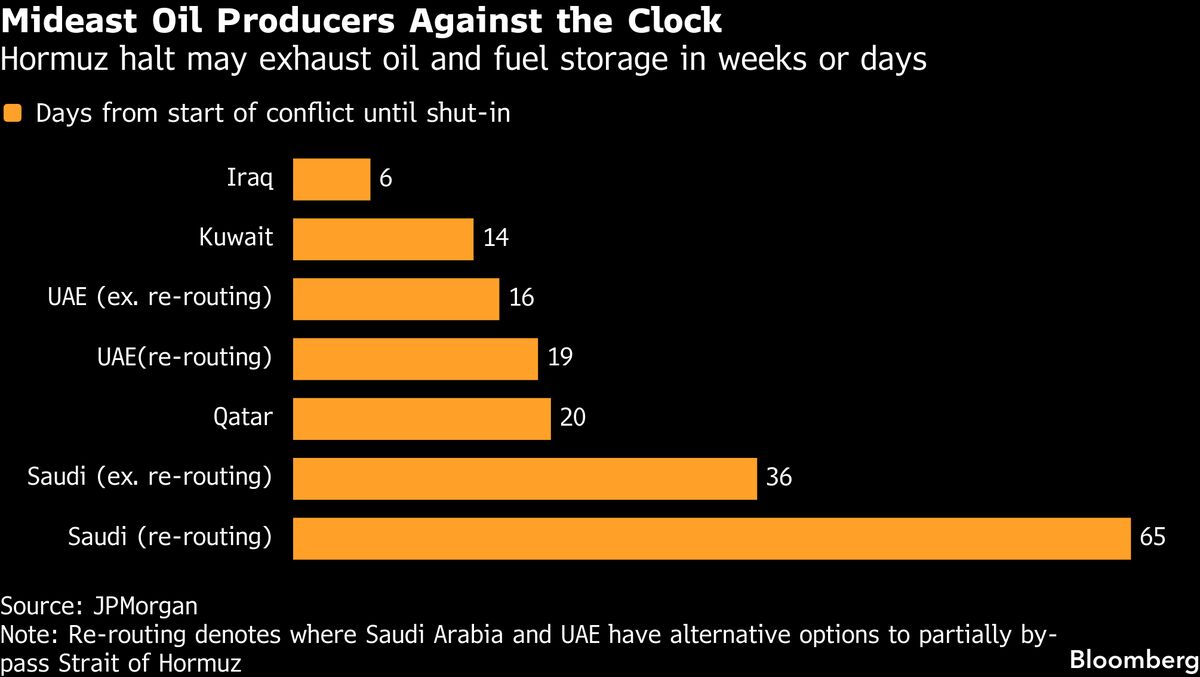
Kuwait, the fifth-largest oil producer in the Organization of the Petroleum Exporting Countries (OPEC), has reduced its oil and refinery production due to the ongoing blockade of the Strait of Hormuz, a critical waterway that accounts for nearly a third of the world's seaborne oil exports. The move is the latest in a series of output reductions by major energy producers, which has raised concerns about the stability of the global energy market.
The blockade, which has been in place for several weeks, has severely disrupted shipping traffic through the strait, forcing Kuwait and other oil-producing countries in the region to seek alternative routes for their exports. However, these alternative routes are limited, and the increased costs and logistical challenges associated with them have made it difficult for producers to maintain their usual levels of output. The reduction in Kuwait's oil and refinery production is expected to have a significant impact on the global energy market, particularly in Asia, where the country's oil exports are in high demand.
Impact on the Global Energy Market
The blockade of the Strait of Hormuz has sent shockwaves through the global energy market, with oil prices rising sharply in recent weeks. The reduction in Kuwait's oil and refinery production is likely to exacerbate this trend, as the country is a significant player in the global energy market.
"The situation in the Strait of Hormuz is a major concern for us, and we are working closely with our partners to find a solution,"said Dr. Abdulaziz Al-Qahtani, a senior official at the Kuwait Petroleum Corporation.
"However, in the meantime, we have been forced to reduce our production levels to ensure the safety and security of our operations."
According to industry experts, the reduction in Kuwait's oil and refinery production could have far-reaching consequences for the global energy market. The country's oil exports are a critical component of the global energy supply chain, and any disruption to these exports can have a significant impact on the market. "Kuwait is a significant player in the global energy market, and any reduction in its production levels will be felt across the globe," said Dr. Fatih Birol, the Executive Director of the International Energy Agency (IEA).
"The blockade of the Strait of Hormuz is a major concern for us, and we are working closely with our partners to find a solution that will ensure the stability of the global energy market."
Alternative Routes and Increased Costs
The blockade of the Strait of Hormuz has forced Kuwait and other oil-producing countries in the region to seek alternative routes for their exports. However, these alternative routes are limited, and the increased costs and logistical challenges associated with them have made it difficult for producers to maintain their usual levels of output. The use of alternative routes, such as the Cape of Good Hope, can increase transportation costs by as much as 20-30%, which can have a significant impact on the profitability of oil exports.
According to industry experts, the increased costs and logistical challenges associated with alternative routes will likely lead to a reduction in the global energy supply, which could have significant consequences for the global economy.
"The use of alternative routes is a costly and complex process, and it will likely lead to a reduction in the global energy supply,"said Dr. Mohamed Al-Sada, a senior energy analyst at the Kuwait-based Al-Shall Economic Consultancy.
"This could have significant consequences for the global economy, particularly in countries that are heavily reliant on imported oil."
Regional Tensions and Diplomatic Efforts
The blockade of the Strait of Hormuz is a manifestation of the ongoing regional tensions between Iran and its neighbors, particularly Saudi Arabia and the United Arab Emirates. The tensions have been escalating in recent months, with both sides engaging in a war of words and a series of proxy conflicts in the region. However, despite the tensions, there are ongoing diplomatic efforts to resolve the crisis and find a solution to the blockade.
According to diplomatic sources, the United States, the European Union, and other major powers are working closely with regional leaders to find a solution to the crisis. The diplomatic efforts are focused on finding a peaceful resolution to the conflict, which will ensure the stability of the global energy market and prevent any further escalation of the crisis.
"We are working closely with our partners to find a solution to the crisis, and we are committed to ensuring the stability of the global energy market,"said a senior diplomatic official, who wished to remain anonymous.
"However, the situation is complex, and it will require a concerted effort from all parties involved to find a solution."
In conclusion, the reduction in Kuwait's oil and refinery production due to the blockade of the Strait of Hormuz is a significant development that will have far-reaching consequences for the global energy market. The situation is complex, and it will require a concerted effort from all parties involved to find a solution that will ensure the stability of the global energy market. As the situation continues to unfold, it is likely that the global energy market will remain volatile, and oil prices will continue to fluctuate in response to any developments in the region. However, with ongoing diplomatic efforts and a commitment to finding a peaceful resolution to the conflict, there is hope that a solution can be found that will ensure the stability of the global energy market and prevent any further escalation of the crisis.