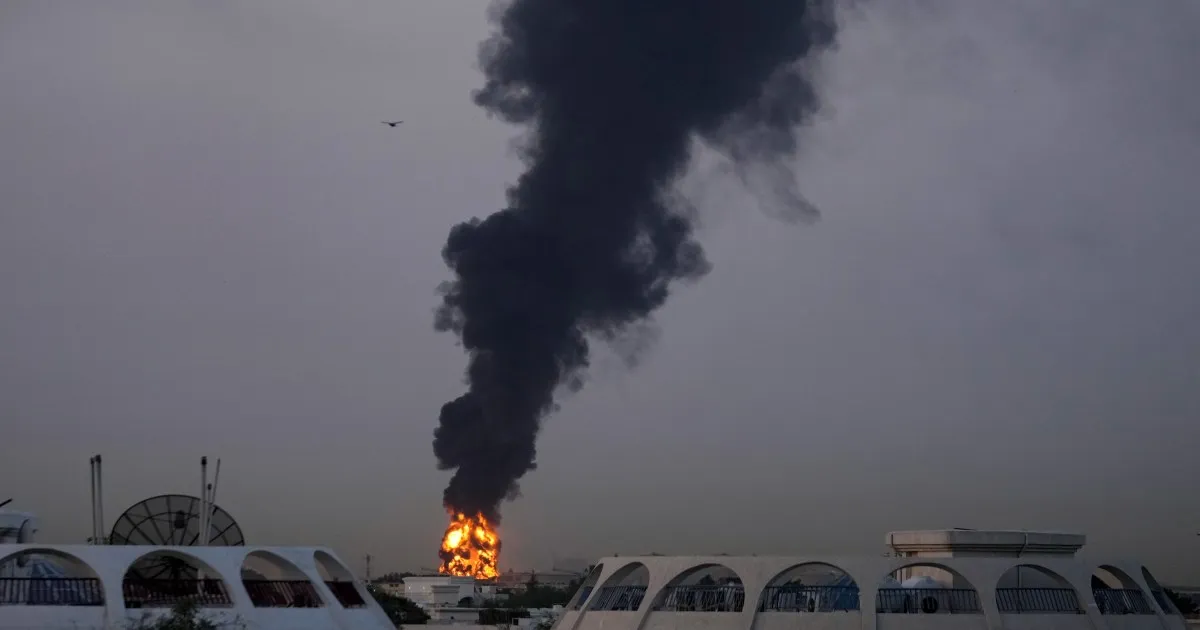
The United States has expressed disappointment and frustration over the reluctance of its allies to commit forces to a mission aimed at securing the Strait of Hormuz, a vital waterway for Gulf oil exports. US President Donald Trump has been vocal in his criticism, emphasizing the importance of international cooperation in maintaining the freedom of navigation in the region. The situation has sparked concerns about the potential consequences of a prolonged standoff between the US and Iran, with experts warning of a significant impact on global oil markets.
The Strait of Hormuz, which connects the Persian Gulf to the Arabian Sea, is a critical chokepoint for international oil trade, with nearly a third of the world's seaborne oil passing through it. The US has been seeking to build a coalition of allies to provide security for shipping in the area, following a series of attacks on oil tankers and the downing of a US drone by Iran. However, many of its allies have been hesitant to join the mission, citing concerns about escalating tensions with Iran and the potential for military conflict.
International Response
The US has been urging its allies to take a more active role in securing the Strait of Hormuz, with President Trump emphasizing the need for collective action to protect international shipping lanes. "We're looking for other countries to join us in this effort, to help us ensure the freedom of navigation in the region," said a senior US official. "It's not just about the US; it's about the international community coming together to protect our shared interests." However, many countries have been cautious in their response, with some expressing concerns about the potential risks and consequences of military involvement.
"The situation in the Strait of Hormuz is complex and sensitive, and we need to approach it with caution," said Dr. Sanam Vakil, a Middle East expert at the Chatham House think tank. "While we understand the importance of securing the waterway, we also need to consider the potential risks of escalation and the need for a diplomatic solution to the conflict."The UK, France, and Germany have all expressed support for the US initiative, but have stopped short of committing military forces to the mission. Other countries, such as China and Russia, have been more critical of the US approach, accusing Washington of trying to exert its influence in the region.
Economic Implications
The standoff in the Strait of Hormuz has already had a significant impact on global oil markets, with prices spiking in response to the increased tensions. The International Energy Agency (IEA) has warned of a potential shortage of oil supplies if the situation is not resolved, with consequences for the global economy. "The Strait of Hormuz is a critical waterway for international oil trade, and any disruption to shipping in the area could have far-reaching consequences," said Dr. Fatih Birol, the IEA's executive director. "We urge all parties to work towards a peaceful resolution of the conflict and to ensure the freedom of navigation in the region."
The US has been seeking to reassure its allies and the international community that it is committed to finding a diplomatic solution to the conflict, while also emphasizing its willingness to use military force if necessary. However, the situation remains volatile, with experts warning of the potential for miscalculation and escalation. As the situation continues to unfold, it remains to be seen whether the US and its allies can find a way to secure the Strait of Hormuz and prevent a wider conflict in the region.
Conclusion
In conclusion, the situation in the Strait of Hormuz remains a major concern for the international community, with the potential for significant consequences for global oil markets and the economy. The US and its allies must work together to find a solution to the conflict, one that balances the need for security with the need for diplomacy. As Dr. Vakil noted, "The situation in the Strait of Hormuz is a complex and challenging one, and it will require a concerted effort from all parties to resolve it peacefully." The coming days and weeks will be critical in determining the outcome of this crisis, and the world will be watching with bated breath as the situation continues to unfold.