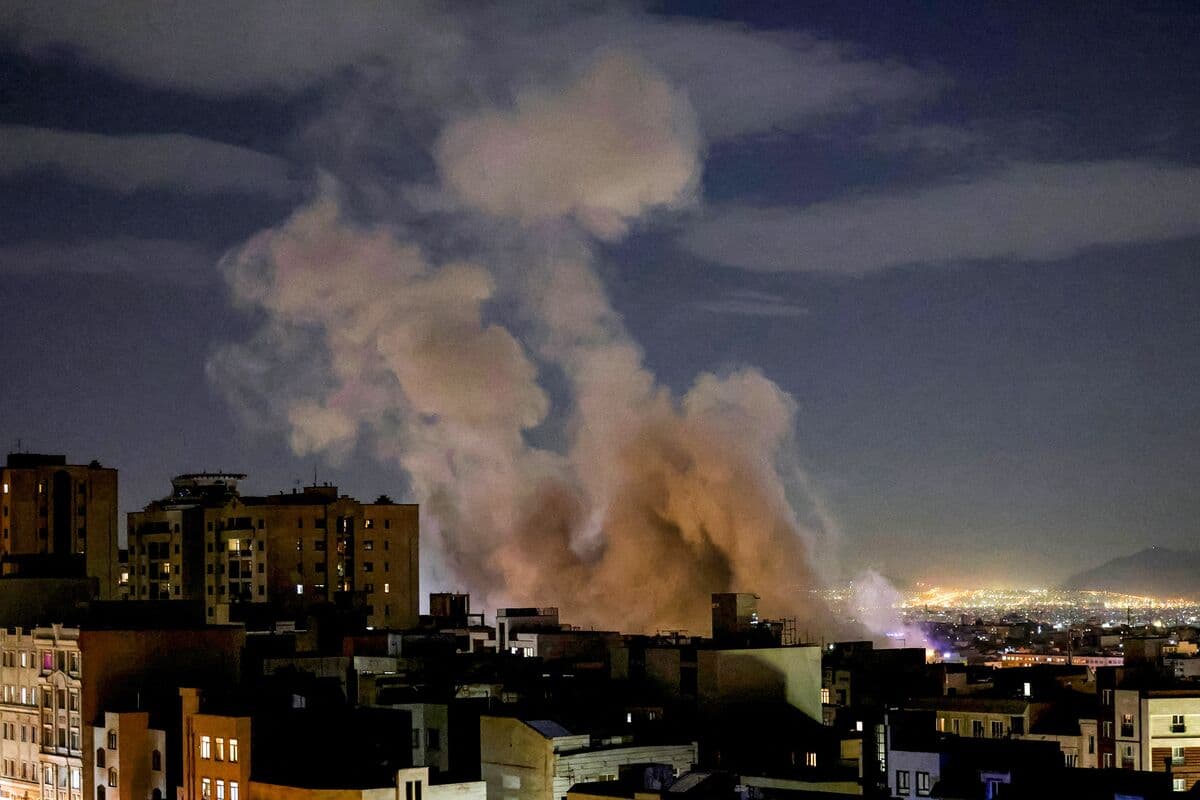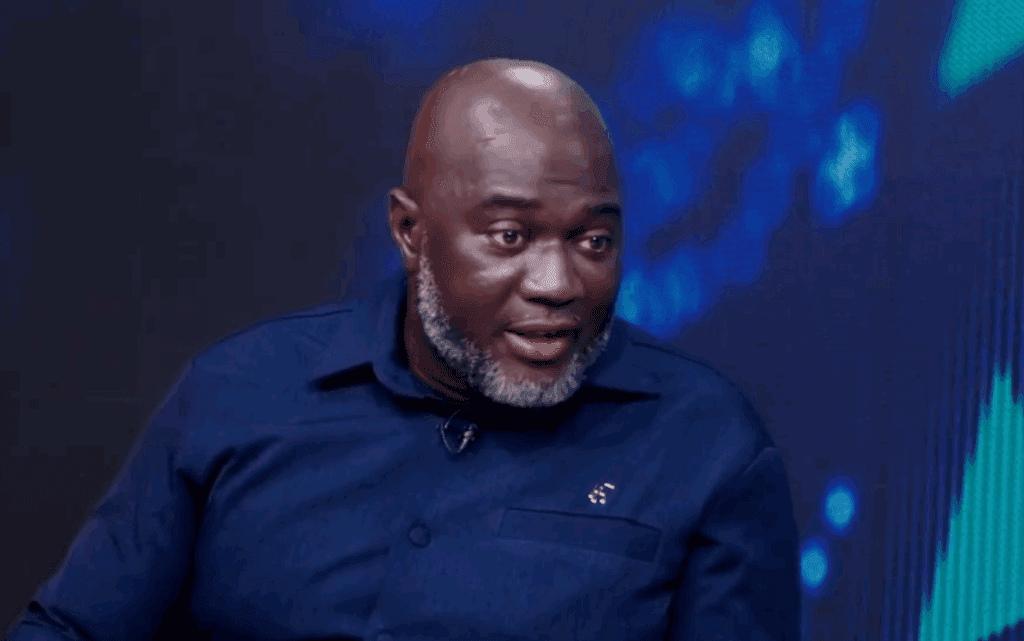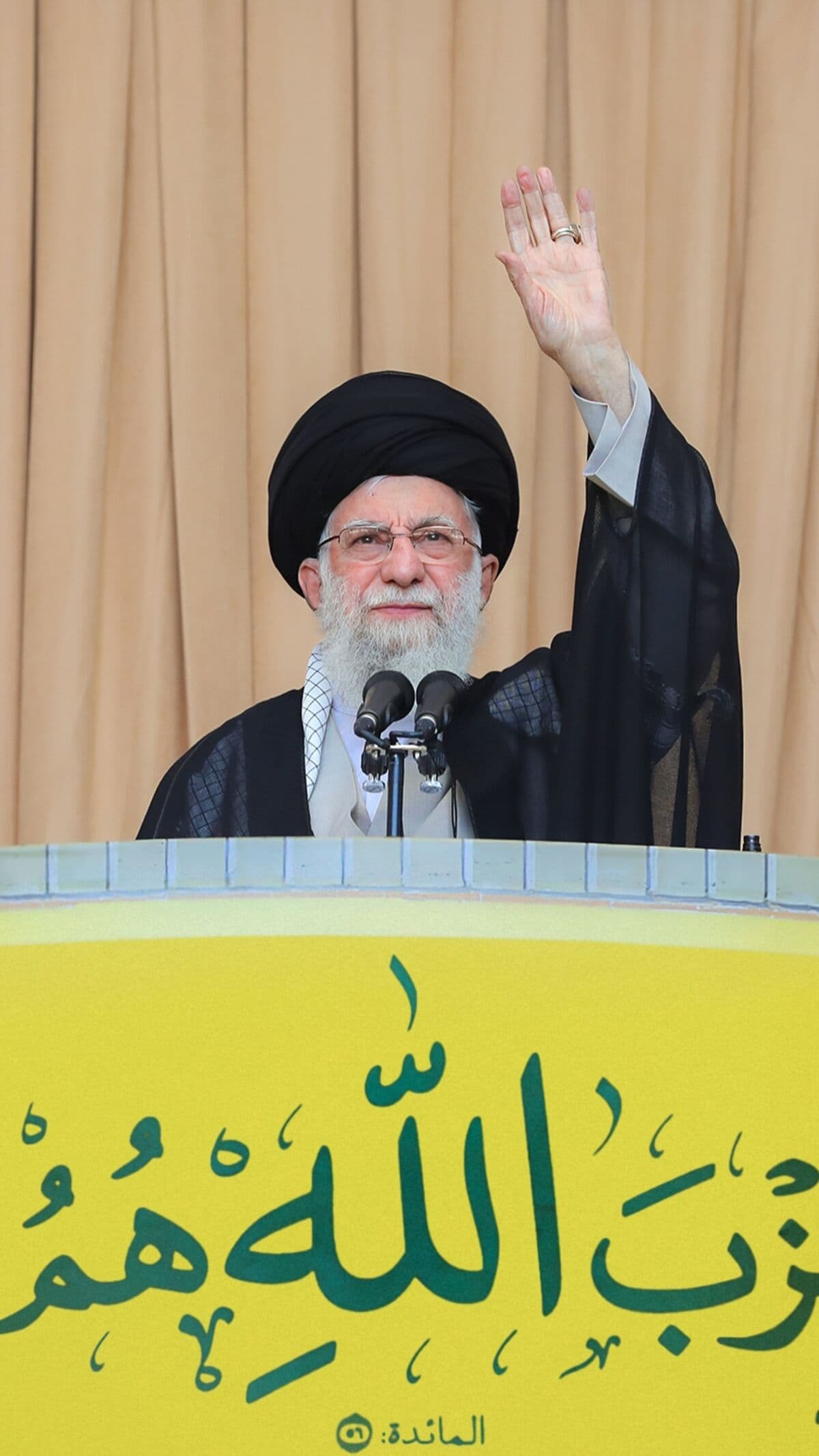
The news of Khamenei's death was met with a mixture of shock and anticipation, as many Iranians and international observers wonder what the future holds for the country. "The death of Ali Khamenei is a significant turning point for Iran, and it remains to be seen how the country will navigate this transition," said Dr. Sanam Vakil, a Middle East expert at Chatham House. "Khamenei's legacy is complex, and his impact on Iran's history will be debated for years to come." According to Iranian state media, Khamenei died after a long illness, and the country has declared a period of mourning to honor his memory.
Life and Legacy
Ali Khamenei was born in 1939 in the city of Mashhad, Iran. He became involved in politics at a young age and was a key figure in the 1979 Islamic Revolution that overthrew the monarchy and established the Islamic Republic. Khamenei's rise to power was marked by his strong anti-Western stance, which became a hallmark of his leadership. He was appointed as the Supreme Leader in 1989, following the death of Ayatollah Ruhollah Khomeini, and has since been the highest authority in Iran. Under Khamenei's leadership, Iran has become increasingly isolated from the international community, with tensions escalating over its nuclear program and human rights record.
Despite his controversial legacy, Khamenei was widely respected within Iran for his commitment to the country's independence and sovereignty.
"Ali Khamenei was a complex figure who embodied the contradictions of the Islamic Republic,"said Professor Ali Ansari, an expert on Iranian history at the University of St Andrews.
"On the one hand, he was a fierce defender of Iran's interests and a vocal critic of Western interference, but on the other hand, his rule was marked by repression and human rights abuses."Khamenei's death has sparked a debate about his legacy, with some hailing him as a champion of Iranian nationalism and others condemning him as a ruthless dictator.
Succession and Power Struggle
The process of selecting a new Supreme Leader is expected to be complex and potentially contentious. According to Iran's constitution, the Supreme Leader is chosen by the Assembly of Experts, a group of 88 senior clerics. However, the process is not straightforward, and there are likely to be rival claims and power struggles among different factions within the Iranian elite. Dr. Trita Parsi, the founder of the National Iranian American Council, noted that "the succession process will be a critical test for the Iranian system, and it remains to be seen whether the country's leaders can navigate this transition smoothly."
The potential candidates to succeed Khamenei include several high-ranking officials, such as Ayatollah Mahmoud Hashemi Shahroudi and Ayatollah Ebrahim Raisi. However, the outcome is far from certain, and the process may be influenced by a range of factors, including the interests of Iran's powerful Revolutionary Guards and the views of other regional players. As Dr. Sanam Vakil noted, "the next Supreme Leader will face significant challenges, including managing the country's economy, navigating its relationships with the international community, and addressing the aspirations of Iran's youthful population."
International Implications
Khamenei's death is likely to have significant implications for Iran's relationships with other countries, particularly in the Middle East. The United States, which has imposed tough sanctions on Iran, may see an opportunity to re-engage with the country, although the prospects for a breakthrough remain uncertain. Dr. Nicholas Burns, a former US Under Secretary of State, noted that "the US will be watching the situation in Iran closely, and we may see a period of diplomatic outreach and exploratory talks." However, others are more skeptical, pointing out that the underlying structural issues between the US and Iran remain unchanged.
The European Union, which has sought to maintain a dialogue with Iran, may also be affected by Khamenei's death. EU Foreign Policy Chief Josep Borrell issued a statement expressing condolences and calling for calm, but the EU's approach to Iran is likely to be influenced by the outcome of the succession process. As Dr. Cornelius Adebahr, a non-resident fellow at the Carnegie Europe think tank, noted, "the EU will need to navigate a complex web of relationships and interests in order to promote stability and cooperation in the region."
In conclusion, the death of Ali Khamenei marks a significant turning point for Iran, and the country's future trajectory remains uncertain. As the Iranian people and the international community come to terms with this new reality, one thing is clear: the next chapter in Iran's history will be shaped by a complex interplay of internal and external factors, and the outcome will have far-reaching implications for the region and the world. As Dr. Sanam Vakil noted, "the future of Iran is unlikely to be determined by a single event or leader, but rather by the slow and often painful process of evolution and change."