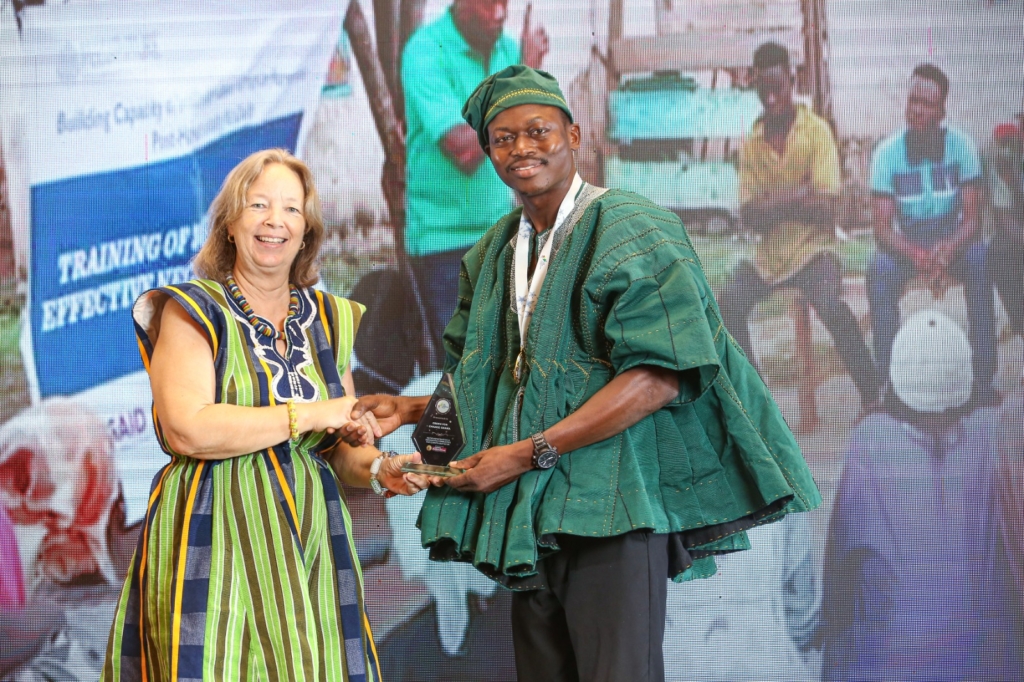
ACCRA, GHANA – Green for Change Ghana (GCG), a prominent environmental non-governmental organisation, has issued a compelling call for expanded partnerships following its recent triumph as a recipient of the prestigious Global Climate Adaptation Excellence Award. The organisation, deeply committed to fostering resilience within Ghanaian communities and implementing programs that mutually benefit both people and the environment, highlighted the critical need for collaborative efforts to scale up climate adaptation initiatives across the nation.
The award, presented at an international summit, recognised GCG's innovative and impactful strategies in building community-level resilience against the escalating effects of climate change. This significant accolade has propelled GCG to seek stronger alliances with governmental bodies, international organisations, corporate entities, academic institutions, and local communities to amplify their proven models and address the urgent adaptation challenges facing Ghana.
A Testament to Grassroots Impact
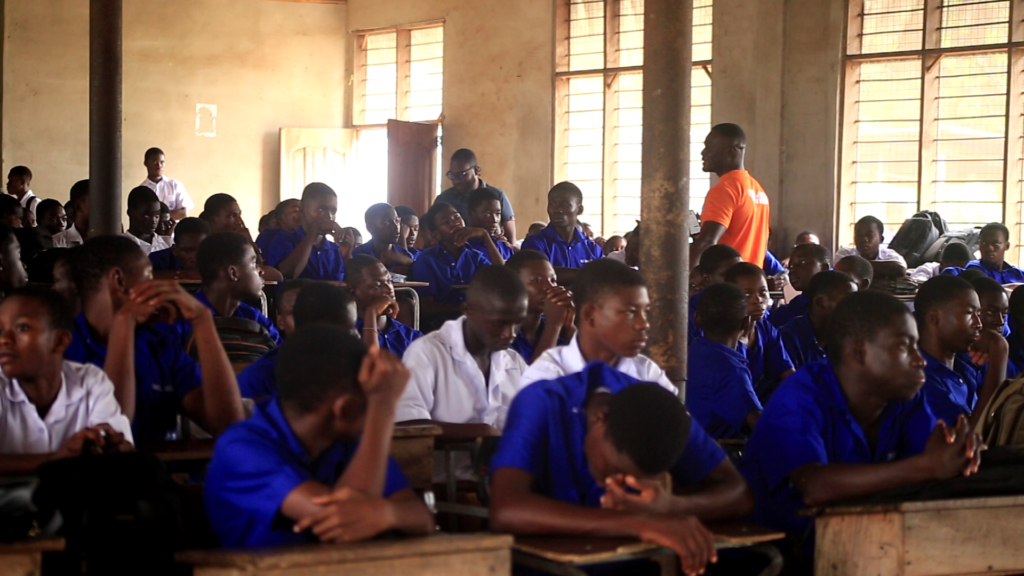
Green for Change Ghana has, since its inception, dedicated itself to working directly with vulnerable communities. Their unique approach integrates traditional knowledge with modern sustainable practices, focusing on areas such as climate-smart agriculture, integrated water resource management, reforestation, and early warning systems for extreme weather events. The Global Climate Adaptation Excellence Award specifically lauded GCG's success in empowering rural populations to develop sustainable livelihoods while simultaneously protecting and restoring their local ecosystems.
"Winning this award is a tremendous honour and a validation of the hard work and dedication of our teams and, more importantly, the resilience and wisdom of the communities we serve," stated Dr. Ama Nkrumah, Executive Director of Green for Change Ghana, during a press briefing in Accra. "It underscores that local-led solutions are not just effective, but essential. However, the scale of the climate crisis demands more than isolated successes. We need a united front."
Dr. Nkrumah elaborated on the organisation's flagship projects, including the "Resilient Farms, Resilient Futures" initiative, which has equipped over 10,000 farmers in the Northern and Upper East regions with drought-resistant crop varieties, efficient irrigation techniques, and soil conservation methods. Another notable program, "Green Guardians," has engaged youth in extensive tree-planting drives and environmental education, leading to the restoration of several degraded lands and riverine areas.
The Imperative for Collaboration
Ghana, like many developing nations, is increasingly vulnerable to the impacts of climate change, including unpredictable rainfall patterns, prolonged droughts, coastal erosion, and severe floods. These phenomena threaten food security, displace populations, and exacerbate poverty, particularly in rural and coastal communities that rely heavily on natural resources.
GCG's call for partnerships is rooted in the understanding that no single entity can effectively tackle these multifaceted challenges alone. The organisation envisions a future where shared resources, expertise, and policy frameworks can create a more robust and widespread adaptation network.
"Our success stories, while inspiring, are limited by capacity and resources," explained Kofi Mensah, GCG's Head of Programmes. "Partnerships are not merely about funding; they are about co-creation, knowledge exchange, and leveraging diverse strengths. We seek partners who share our vision for a climate-resilient Ghana, whether they bring technical expertise, policy influence, financial backing, or community mobilisation capabilities."
Specific areas identified for partnership include:
- Financial Support: To expand existing projects and initiate new ones in underserved regions.
- Technical Expertise: Collaboration with research institutions and experts in climate science, sustainable engineering, and data analytics.
- Policy Advocacy: Working with government and legislative bodies to integrate climate adaptation into national development plans.
- Capacity Building: Training local communities and other NGOs in best practices for climate resilience.
- Technology Transfer: Introducing appropriate and accessible technologies for sustainable resource management.
Voices from the Communities
The impact of GCG's work is perhaps best articulated by those who have directly benefited. Nana Kwasi Boamah, the respected Chief of Aburi-Atwima, a community that has partnered with GCG on a sustainable water harvesting project, shared his perspective.
"Before Green for Change Ghana came, our wells often dried up, and our crops failed too frequently," said Nana Boamah. "They didn't just give us solutions; they taught us how to build and maintain them, how to adapt our farming. Now, with their new call for partnerships, I pray more communities can experience this transformation. It's about dignity and securing our children's future."
His sentiments underscore the deep trust and effectiveness GCG has cultivated at the grassroots level, an asset that potential partners could leverage for broader impact.
Looking Ahead: A Resilient Future
The Global Climate Adaptation Excellence Award has shone a spotlight on Green for Change Ghana's commendable efforts, but the organisation maintains that the real work lies ahead. As climate change continues to intensify, the urgency for proactive and comprehensive adaptation strategies becomes paramount.
GCG's proactive call for partnerships is a strategic move to translate its celebrated success into a nationwide movement for climate resilience. By forging robust alliances, Green for Change Ghana aims to not only protect vulnerable communities from the adverse effects of climate change but also empower them to thrive sustainably, building a greener, more secure future for all Ghanaians.