The Council for Scientific and Industrial Research at the Forestry Research Institute of Ghana (CSIR-FORIG) has launched an initiative to educate students about climate change and the importance of environmental protection. Led by the institute’s Forest and Climate Change Division, the outreach program aims to equip young people with the knowledge and skills necessary to mitigate the effects of climate change in Ghana. According to Dr. Ernest Foli, Director of the Forest and Climate Change Division, the program is crucial in promoting sustainable development and environmental stewardship among the youth.
The initiative is part of Ghana’s growing response to the global climate crisis, which has significant implications for the country’s economy, health, and environment. Climate change is projected to exacerbate existing development challenges in Ghana, including poverty, food insecurity, and water scarcity. By educating students about climate change, CSIR-FORIG hopes to inspire a new generation of environmental leaders who can contribute to the country’s climate change mitigation and adaptation efforts. As Dr. Foli noted,
“The youth are the future of our country, and it is essential that we empower them with the knowledge and skills necessary to protect our environment and promote sustainable development.”
Climate Change in Ghana
Climate change is a pressing issue in Ghana, where rising temperatures, changing precipitation patterns, and increased frequency of extreme weather events are already being felt. The country is experiencing more frequent and severe droughts, which are affecting agricultural productivity and food security. Additionally, sea-level rise is threatening the country’s coastal communities, infrastructure, and ecosystems. The impact of climate change on Ghana’s economy is also significant, with estimated losses of up to 10% of GDP by 2050 if left unchecked.
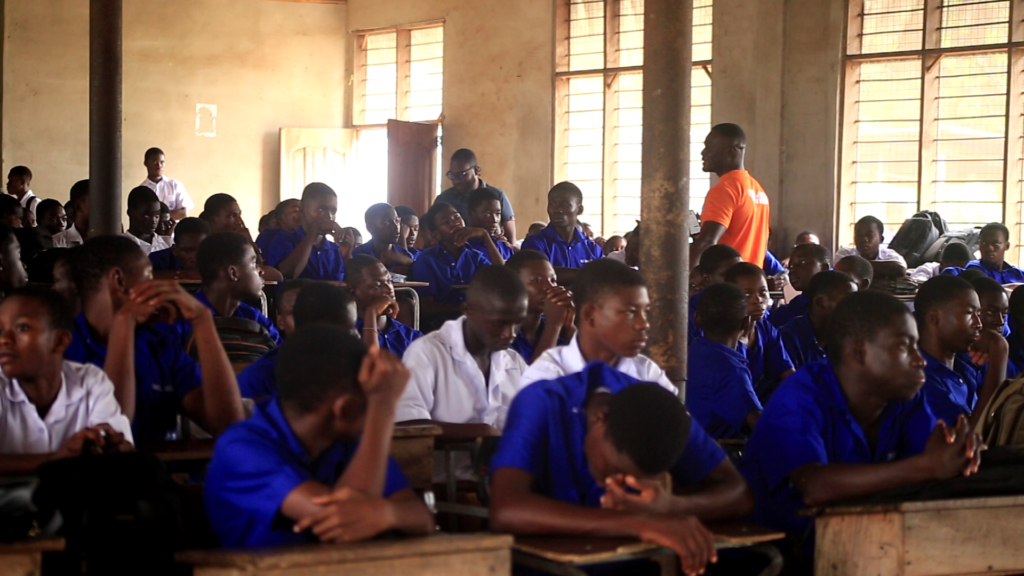
CSIR-FORIG’s climate education program is designed to raise awareness about the causes and effects of climate change, as well as the actions that individuals can take to reduce their carbon footprint and promote environmental sustainability. The program includes interactive lessons, workshops, and field trips, which provide students with hands-on experience and practical skills in environmental conservation. As Ms. Ama Owusu, a teacher at one of the participating schools, observed,
“The program has been very engaging and informative, and our students are now more aware of the importance of protecting the environment and mitigating the effects of climate change.”
Empowering the Next Generation
The CSIR-FORIG climate education program is not only focused on raising awareness about climate change but also on empowering students to take action. The program encourages students to develop innovative solutions to environmental challenges, such as reducing waste, conserving water, and promoting renewable energy. By providing students with the skills and knowledge necessary to address environmental challenges, CSIR-FORIG hopes to inspire a new generation of environmental leaders who can drive sustainable development in Ghana.
According to Dr. Richard Addo, a climate change expert at CSIR-FORIG,
“The youth have a critical role to play in addressing the climate crisis, and it is essential that we provide them with the support and resources necessary to succeed.”The program has already shown promising results, with participating students reporting increased knowledge and awareness about climate change, as well as a greater sense of responsibility to protect the environment.
Conclusion and Next Steps
In conclusion, the CSIR-FORIG climate education program is a vital initiative that aims to equip young people with the knowledge and skills necessary to mitigate the effects of climate change in Ghana. By educating students about climate change and promoting environmental sustainability, the program hopes to inspire a new generation of environmental leaders who can contribute to the country’s climate change mitigation and adaptation efforts. As Dr. Foli noted,
“The future of our planet depends on the actions we take today, and it is essential that we work together to protect our environment and promote sustainable development.”The program is expected to expand to more schools in the coming months, providing even more students with the opportunity to learn about climate change and take action to protect Ghana’s environment.