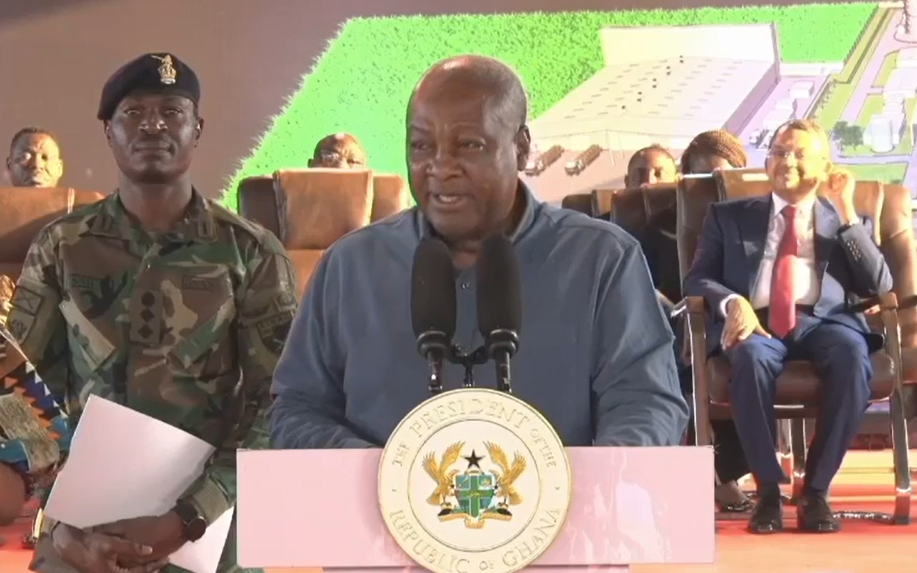
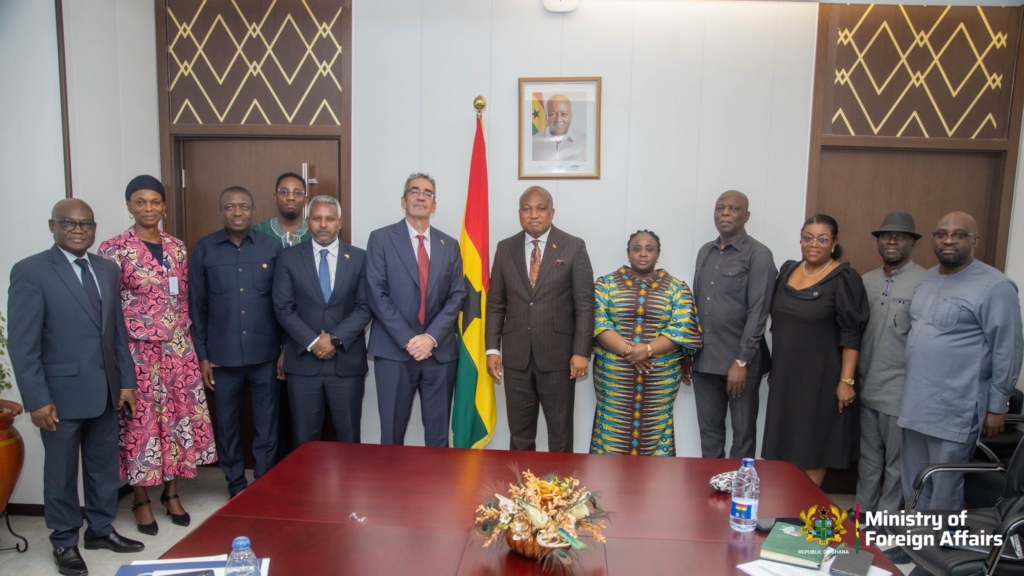
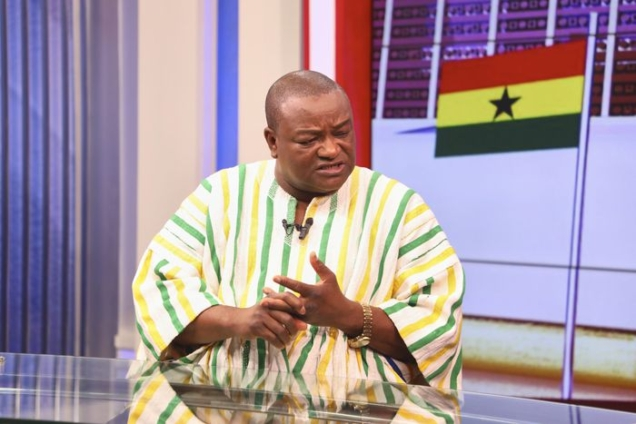
The Deputy Chief of Staff made this commitment during a recent meeting with stakeholders in the housing sector, where she emphasized the government's resolve to tackle the housing challenges facing the country. She noted that the government is working tirelessly to create an enabling environment that will attract private sector investment in the housing industry, thereby increasing the supply of affordable housing units. "We are committed to making housing affordable for all Ghanaians, regardless of their income level or social status," she said. "We believe that every citizen deserves a decent place to live, and we are working hard to make that a reality."
The Current State of Housing in Ghana
The housing situation in Ghana is a complex and multifaceted issue, with many factors contributing to the current deficit. The high cost of building materials, land acquisition, and construction are some of the major challenges facing the housing sector. Additionally, the lack of access to mortgage finance and the high interest rates charged by commercial banks have made it difficult for many Ghanaians to own homes. According to Dr. Samuel Amankwah, a housing expert at the University of Ghana, "the housing market in Ghana is characterized by a shortage of affordable housing units, leading to a significant proportion of the population living in slums and informal settlements." He further noted that "the situation is exacerbated by the rapid urbanization rate, which has put pressure on the existing housing stock, leading to high rents and unaffordable housing options for many low- and middle-income households."
Government Initiatives to Address the Housing Deficit
The government has initiated several programs aimed at addressing the housing deficit and making housing more affordable for all Ghanaians. The National Housing Policy, which was launched in 2015, outlines the government's vision for the housing sector and provides a framework for the development of affordable housing units. The policy aims to increase access to housing finance, improve the supply of building materials, and provide incentives for private sector investment in the housing industry.
"We are committed to implementing the National Housing Policy, which will provide a comprehensive framework for addressing the housing challenges facing our country," said Mr. Francis Asenso-Boakye, the Minister for Works and Housing. "We believe that the policy will help to increase the supply of affordable housing units, reduce the housing deficit, and improve the overall quality of life for all Ghanaians."
In addition to the National Housing Policy, the government has also launched several initiatives aimed at increasing access to affordable housing. The Affordable Housing Program, which was launched in 2020, aims to provide affordable housing units to low- and middle-income households. The program provides subsidies to developers who build affordable housing units, and also offers mortgage finance options to homebuyers. According to Ms. Ama Pomaa Boateng, the Executive Director of the Ghana Real Estate Developers Association, "the Affordable Housing Program has been a game-changer for the housing sector, as it has provided a platform for developers to build affordable housing units and for homebuyers to access mortgage finance at affordable interest rates."
Challenges and Opportunities
Despite the government's commitment to making housing affordable for all Ghanaians, there are still several challenges that need to be addressed. The high cost of building materials remains a major challenge, as it increases the cost of construction and makes it difficult for developers to build affordable housing units. Additionally, the lack of access to mortgage finance is a significant challenge, as it limits the ability of homebuyers to purchase homes. However, there are also opportunities for innovation and investment in the housing sector, particularly in the area of affordable housing. According to Dr. Emmanuel K. Tetteh, a lecturer at the Kwame Nkrumah University of Science and Technology, "the housing sector presents a significant opportunity for investment and innovation, particularly in the area of affordable housing. With the right policies and incentives in place, the private sector can play a critical role in addressing the housing deficit and making housing more affordable for all Ghanaians."
In conclusion, the government's pledge to make housing affordable for all Ghanaians is a welcome development, and it has the potential to transform the lives of millions of people across the country. While there are still several challenges that need to be addressed, the opportunities for innovation and investment in the housing sector are significant. As the government continues to work towards making housing affordable for all, it is essential that all stakeholders, including the private sector, civil society, and development partners, play their part in supporting this initiative. With the right policies and incentives in place, Ghana can become a model for affordable housing in Africa, and its citizens can enjoy the dignity and security that comes with having a decent place to call home.