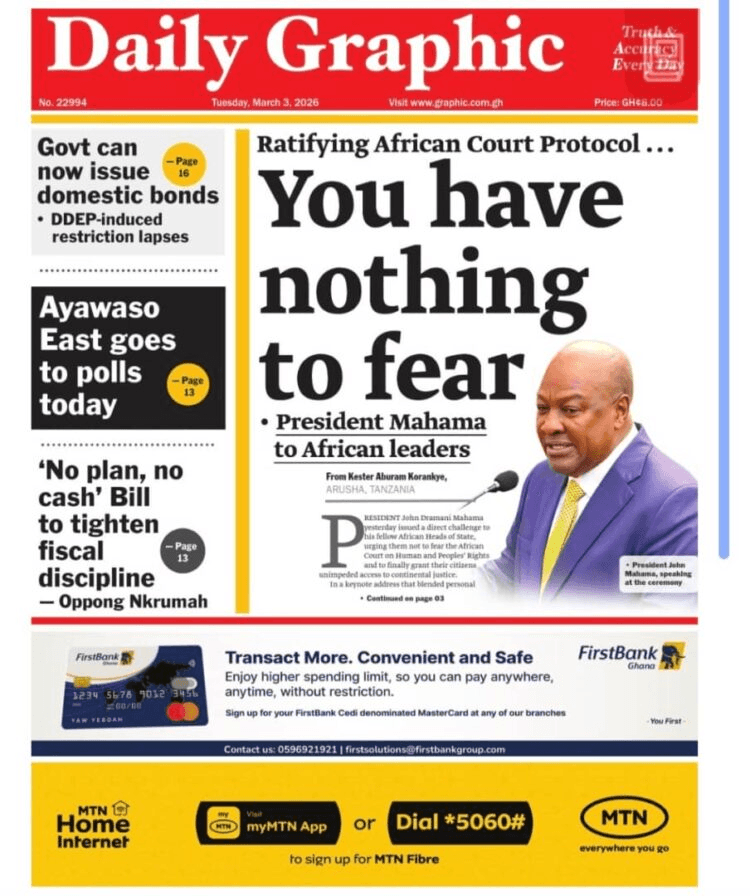

The decision to issue long-dated domestic bonds is seen as a strategic move to diversify the government's funding sources and reduce its reliance on short-term debt. Long-dated bonds typically offer a more stable and predictable source of funding, allowing the government to better plan its budget and manage its finances. The move is also expected to attract investors seeking longer-term investment opportunities, which could help to deepen the country's domestic bond market. As noted by financial expert, Dr. Adelaide Kastner, "the issuance of long-dated domestic bonds will provide investors with a more stable investment option, which could help to increase investor confidence in the Ghanaian economy."
Debt Management Strategy
The government's decision to issue long-dated domestic bonds is part of a broader debt management strategy aimed at reducing the country's debt burden. The Domestic Debt Exchange Programme (DDEP), which was launched earlier this year, was designed to restructure the government's domestic debt and reduce its debt servicing costs. With the expiration of the DDEP restrictions, the government is now in a position to issue new bonds, providing an opportunity to further manage its debt portfolio. According to Deputy Minister Ampem, "the issuance of long-dated domestic bonds will help to reduce our debt servicing costs and provide a more stable source of funding for the government."
"The government is committed to managing its debt in a responsible and sustainable manner. The issuance of long-dated domestic bonds is a key part of this strategy, and we believe it will help to reduce our debt burden and promote economic growth." - Thomas Nyarko Ampem, Deputy Minister of Finance
Market Reaction
The news of the government's plan to issue long-dated domestic bonds has been welcomed by market analysts, who see it as a positive development for the Ghanaian economy. According to economist, Professor Emmanuel Amoh, "the issuance of long-dated domestic bonds will help to increase liquidity in the domestic bond market and provide investors with a more stable investment option. This could help to reduce the country's reliance on foreign debt and promote economic growth." However, some analysts have also expressed concerns about the potential impact on interest rates, noting that the issuance of long-dated bonds could lead to an increase in borrowing costs for the government.
Despite these concerns, the government remains confident that the issuance of long-dated domestic bonds will have a positive impact on the economy. As noted by Deputy Minister Ampem, "we believe that the benefits of issuing long-dated domestic bonds far outweigh the potential risks. This move will help to reduce our debt servicing costs, promote economic growth, and increase investor confidence in the Ghanaian economy." The government has also assured investors that it will continue to manage its debt in a responsible and sustainable manner, ensuring that the issuance of long-dated domestic bonds does not lead to an increase in the country's debt burden.
Way Forward
The issuance of long-dated domestic bonds is expected to take place in the coming months, with the government working closely with financial institutions and investors to ensure a successful issuance. The government has also announced plans to establish a debt management office, which will be responsible for overseeing the country's debt management strategy and ensuring that the issuance of long-dated domestic bonds is carried out in a responsible and sustainable manner. As the country looks to the future, the government remains committed to managing its debt in a way that promotes economic growth and stability.
In conclusion, the government's decision to issue long-dated domestic bonds marks a significant move in the country's debt management strategy. With the expiration of the DDEP restrictions, the government is now in a position to issue new bonds, providing an opportunity to further manage its debt portfolio and promote economic growth. As the country looks to the future, it is clear that the issuance of long-dated domestic bonds will play a crucial role in shaping the country's economic destiny. According to financial analyst, Mr. Kwame Owusu, "the issuance of long-dated domestic bonds is a positive development for the Ghanaian economy, and we expect it to have a significant impact on the country's debt management strategy and economic growth prospects."