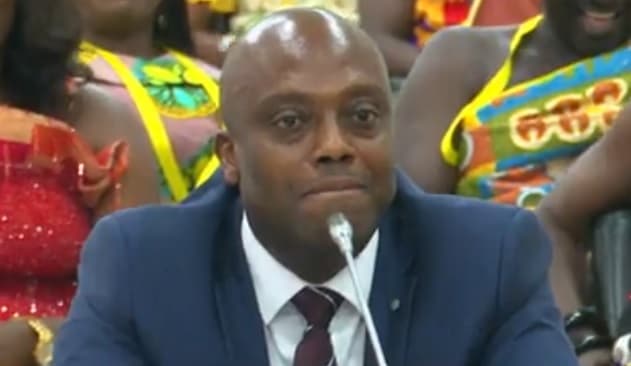

The gold reserve policy, which aims to increase Ghana's gold holdings to 5% of its total foreign exchange reserves, has been a key component of the country's economic strategy in recent years. Proponents of the policy argue that it provides a buffer against economic shocks and helps to maintain the value of the local currency. However, critics like Prof Preprah argue that the policy is misguided and that the funds could be better spent on infrastructure development, education, and other sectors that have a more direct impact on the lives of Ghanaians.
The Case for Diversification
Prof Preprah's concerns are shared by other experts who believe that Ghana's over-reliance on gold exports makes it vulnerable to fluctuations in the global gold market. "Ghana needs to diversify its economy to reduce its dependence on gold exports," said Dr. Adelaide Addo-Fening, a senior lecturer at the University of Ghana's Economics Department.
"The gold reserve policy may provide a short-term buffer, but it does not address the long-term structural issues that are hindering Ghana's economic growth. We need to invest in other sectors such as manufacturing, agriculture, and services to create jobs and stimulate economic growth."
The Impact on Economic Growth
The gold reserve policy has also been criticized for its potential impact on Ghana's economic growth. By prioritizing gold reserves over other economic needs, the government may be limiting its ability to invest in critical infrastructure such as roads, bridges, and hospitals. "The opportunity cost of holding large gold reserves is significant," said Mr. Kwame Owusu, a financial analyst at a leading investment bank in Accra.
"The funds that are being used to purchase gold could be used to finance development projects that have a higher return on investment and can create jobs and stimulate economic growth."
Furthermore, the gold reserve policy may also be limiting Ghana's ability to respond to emerging economic challenges. With a significant portion of its foreign exchange reserves tied up in gold, the government may not have the flexibility to respond quickly to economic shocks or take advantage of new investment opportunities. "The gold reserve policy is a conservative approach that may not be suitable for a country like Ghana that needs to be agile and responsive to changing economic conditions," said Prof Preprah.
Alternative Strategies
So what are the alternatives to the gold reserve policy? Some experts argue that Ghana could consider investing in other assets such as stocks, bonds, or real estate. "A diversified investment portfolio can provide a higher return on investment and reduce the risk of losses," said Dr. Addo-Fening. Others argue that Ghana could use its foreign exchange reserves to finance development projects or provide loans to small and medium-sized enterprises.
"We need to think creatively about how we can use our foreign exchange reserves to support economic growth and development," said Mr. Owusu.In conclusion, the debate over Ghana's gold reserve policy highlights the complex trade-offs that policymakers face in managing a country's economy. While the policy may provide a short-term buffer against economic shocks, it may also be limiting Ghana's ability to invest in other critical sectors and respond to emerging economic challenges. As Prof Preprah noted, "the key is to find a balance between prudence and investment in the future." As Ghana continues to navigate the complexities of economic development, it is clear that a nuanced and multifaceted approach will be needed to unlock the country's full potential and achieve sustainable economic growth.