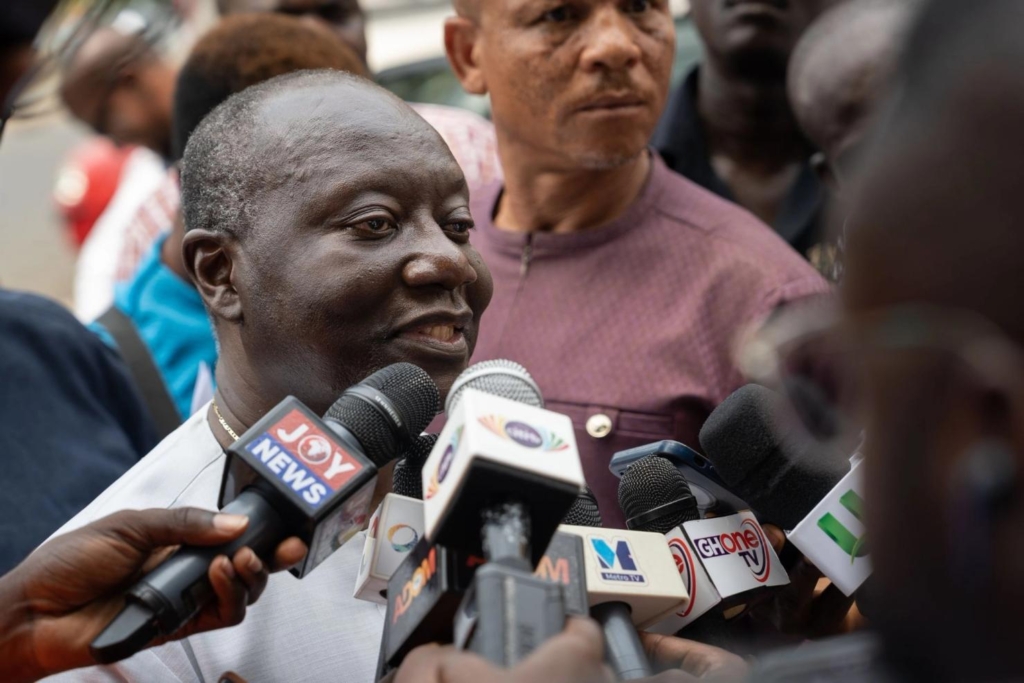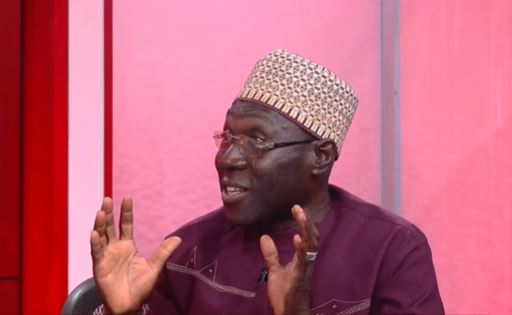
A recent claim of a GH¢21 billion audit exposé has been dismissed by former Deputy Trade Minister, Michael Okyere Baafi, who describes the narrative as misleading and politically motivated. According to Okyere Baafi, the government is using this audit narrative as a diversionary tactic to shift attention away from pressing issues that require urgent attention. The former minister's comments have sparked a heated debate about the government's intentions and the accuracy of the audit claims.
The audit in question allegedly revealed a GH¢21 billion discrepancy in the government's financial records. However, Okyere Baafi argues that the narrative surrounding the audit is inaccurate and misleading. "The government is trying to create a smokescreen to divert attention from the real issues that are affecting Ghanaians," he said in an interview. "The audit narrative is a cleverly crafted distraction that is meant to take the focus away from the government's failures and shortcomings."
Expert Analysis
Financial experts have weighed in on the debate, with some agreeing that the audit narrative may be exaggerated or misleading.
"The GH¢21 billion figure is a staggering amount, and it's unlikely that such a large discrepancy would go undetected for so long,"said Dr. Kwame Owusu, a financial analyst at the University of Ghana. "It's possible that the government is using the audit narrative to create a sense of urgency and distract from other pressing issues." Dr. Owusu also noted that the government has a history of using diversionary tactics to shift attention away from controversial issues.
Other experts have cautioned that the audit narrative should not be dismissed outright, as it may still contain some elements of truth.
"While the GH¢21 billion figure may be exaggerated, it's possible that there are some legitimate concerns about the government's financial management,"said Mr. Kofi Addo, a chartered accountant. "The government should be transparent about the audit findings and provide a clear explanation of the discrepancies." Mr. Addo also emphasized the importance of transparency and accountability in government financial management.
Government Response
The government has responded to Okyere Baafi's claims, denying any attempt to divert attention from pressing issues.
"The audit narrative is a serious matter that requires attention and action,"said a government spokesperson. "We are committed to transparency and accountability, and we will ensure that the audit findings are thoroughly investigated and addressed." The spokesperson also emphasized the government's commitment to good governance and accountability.
However, Okyere Baafi remains skeptical, arguing that the government's response is insincere and lacking in substance. "The government's denial is not convincing, and it's clear that they are trying to hide something," he said. "The people of Ghana deserve better than a government that uses diversionary tactics to avoid accountability." Okyere Baafi also called on the government to come clean about the audit findings and provide a clear explanation of the discrepancies.
Conclusion
The debate surrounding the GH¢21 billion audit narrative continues to unfold, with both sides presenting strong arguments. While the government denies any attempt to divert attention from pressing issues, Okyere Baafi and other experts remain skeptical. As the situation develops, it's clear that the people of Ghana are demanding more transparency and accountability from their government. The government must take concrete steps to address the concerns and provide a clear explanation of the audit findings. Ultimately, the truth about the audit narrative will depend on the government's willingness to be transparent and accountable. As Dr. Owusu noted,
"The people of Ghana deserve to know the truth, and it's up to the government to provide it."