The transatlantic slave trade, which lasted for over four centuries, is considered one of the darkest periods in human history. It is estimated that over 15 million Africans were forcibly taken from their homes and sold into slavery in the Americas. The legacy of this brutal trade can still be seen today, with many African countries continuing to struggle with the social, economic, and cultural impact of slavery. By declaring slavery a grave crime against humanity, the UN would be acknowledging the immense suffering and injustice inflicted upon the victims and their descendants.
Historical Significance
President Mahama's announcement has been welcomed by historians and human rights activists, who see it as a long-overdue recognition of the atrocities committed during the transatlantic slave trade. Dr. Akosua Perbi, a historian at the University of Ghana, noted that "the transatlantic slave trade was a crime against humanity that was perpetrated for centuries, and it is only fitting that the UN recognizes it as such. This motion is a major step towards acknowledging the past and working towards a more just and equitable future." According to Dr. Perbi, the motion will also serve as a reminder of the importance of learning from history to prevent similar atrocities from happening again.
"The transatlantic slave trade was a heinous crime that was committed with impunity, and it is only by acknowledging the severity of this crime that we can begin to heal and move forward,"said Mr. Kojo Gyasi, a human rights activist. Mr. Gyasi also emphasized the need for the international community to provide reparations to the victims of slavery and their descendants, who continue to suffer from the legacy of slavery. The motion, he hopes, will be the first step towards a more comprehensive approach to addressing the issue of slavery and its ongoing impact.
International Implications
The motion, if passed, is expected to have significant international implications. It would require countries that were involved in the transatlantic slave trade to acknowledge their role in the crime and provide reparations to the victims and their descendants. Ms. Ama Biney, a diplomat at the Ghanaian embassy to the UN, noted that "this motion is not just about Ghana or Africa, but about the entire world. It is about acknowledging the shared history of humanity and working towards a more just and equitable future." Ms. Biney also emphasized the importance of international cooperation in addressing the legacy of slavery and promoting human rights.
The motion is also expected to have significant implications for the UN, which has been criticized for its slow response to addressing the issue of slavery. Mr. Francis Tandoh, a UN expert on human rights, noted that "the UN has a responsibility to acknowledge the crimes of the past and work towards preventing similar atrocities from happening again. This motion is a major step towards fulfilling that responsibility." Mr. Tandoh also emphasized the need for the UN to provide support to countries that are working to address the legacy of slavery and promote human rights.
National Significance
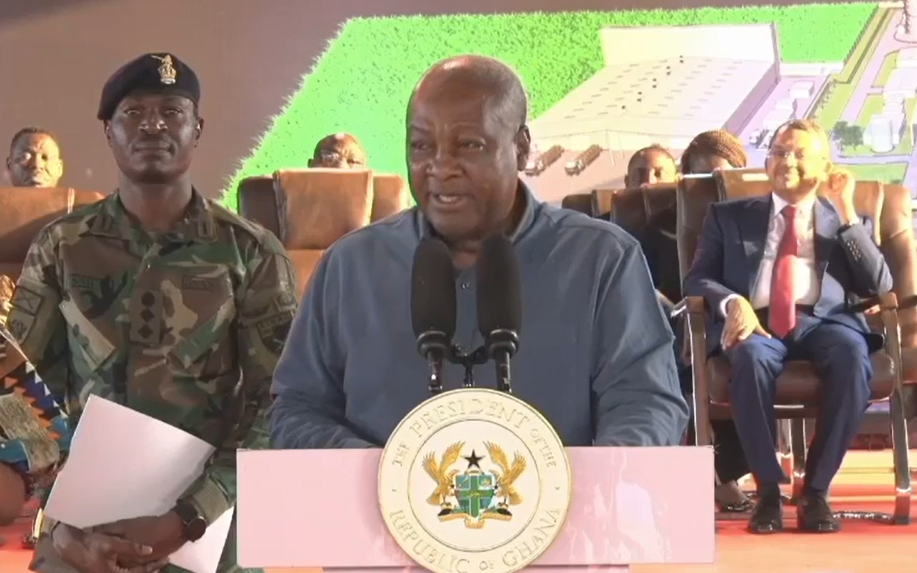
In addition to its international implications, the motion is also expected to have significant national implications for Ghana. President Mahama's announcement was made during a ceremony to honor the country's leaders since independence, and it is seen as a major step towards promoting national reconciliation and healing. Mr. Kofi Agyekum, a political analyst, noted that "this motion is a major step towards acknowledging the past and working towards a more just and equitable future. It shows that Ghana is committed to promoting human rights and dignity for all its citizens."
The motion is also expected to have significant cultural implications for Ghana. The transatlantic slave trade had a profound impact on the country's culture, with many of its traditions and customs being lost or suppressed. Ms. Adjoa Danso, a cultural expert, noted that "the motion is a major step towards reclaiming our cultural heritage and promoting our cultural identity. It shows that we are proud of our history and our culture, and that we are committed to preserving it for future generations."
In conclusion, Ghana's motion to the UN declaring slavery and the transatlantic slave trade as the gravest crimes against humanity is a significant step towards acknowledging the past and working towards a more just and equitable future. The motion, if passed, is expected to have significant international and national implications, and it is seen as a major step towards promoting human rights and dignity for all. As President Mahama noted, "this motion is a call to action, a reminder that we must work together to build a world that is just and equitable for all. We must honor the victims of slavery and the transatlantic slave trade, and we must work towards a future where such atrocities can never happen again." The success of this motion will depend on the support of the international community, and it remains to be seen how the UN will respond to Ghana's call to action.