The recent reductions in electricity and water tariffs in Ghana have sparked a heated debate, with the Minority in Parliament questioning the government's claims that last year's price hikes were necessary due to conditions imposed by the International Monetary Fund (IMF). The Minority argues that the latest tariff cuts undermine the government's justification for the previous increases, which were attributed to the IMF's requirements under Ghana's economic assistance program.
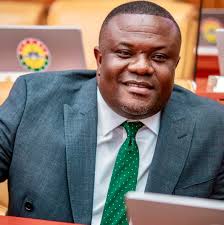
According to the Minority, the government's decision to reduce electricity and water tariffs by an average of 15% and 10%, respectively, raises concerns about the true motivations behind the initial price hikes. The Minority spokesperson on Finance, Mr. Isaac Adjei Mensah, stated that "the government's sudden change of heart on tariffs suggests that the previous increases were not entirely driven by the IMF's conditions, as claimed." He added that "the Minority is demanding clarity on the matter, as the government's actions seem to be contradictory and misleading to the public."
IMF Programme and Tariff Adjustments
The IMF program, which was agreed upon in 2021, aimed to support Ghana's economic recovery and stabilize its finances. As part of the program, the government committed to implementing various fiscal adjustments, including the reduction of subsidies on utilities such as electricity and water. However, the Minority claims that the government's decision to cut tariffs now contradicts its earlier stance that the IMF required the price hikes to ensure fiscal discipline.
"The government's U-turn on tariffs is a clear indication that they were not entirely honest about the IMF's requirements," said Dr. Eric Osei-Assibey, a senior lecturer at the University of Ghana's Economics Department.He explained that "while the IMF may have recommended fiscal adjustments, the government had some flexibility in implementing these measures. The fact that they are now reducing tariffs suggests that they had more room for maneuver than they initially claimed."
Government's Response
In response to the Minority's concerns, the government has argued that the tariff cuts are part of a broader effort to alleviate the economic burden on Ghanaian households and businesses. The Minister of Finance, Mr. Ken Ofori-Atta, stated that "the government is committed to supporting the economy and ensuring that the benefits of growth are shared equitably among all Ghanaians." He added that "the tariff reductions are a deliberate policy decision, aimed at stimulating economic activity and improving the living standards of our citizens."
However, the Minority remains skeptical about the government's motives, citing the lack of transparency and consistency in its policy decisions. Mr. Adjei Mensah emphasized that "the Minority will continue to push for accountability and clarity on the government's actions, to ensure that the interests of the Ghanaian people are protected." He warned that "any attempts to obscure the truth or mislead the public will be met with fierce resistance from the Minority."
Implications and Next Steps
The controversy surrounding the tariff cuts and the IMF program has significant implications for Ghana's economic policy and governance. The Minority's challenge to the government's justification for the price hikes has highlighted the need for greater transparency and accountability in policy decision-making. As the debate unfolds, it is likely that the government will face increasing pressure to provide clearer explanations for its actions and to demonstrate a more consistent approach to economic management.
In the coming weeks, the Minority is expected to pursue its demands for clarity and accountability, potentially through parliamentary hearings or other forms of oversight. The government, on the other hand, will need to respond to the Minority's concerns and provide convincing justifications for its policy decisions. As Dr. Osei-Assibey noted, "the outcome of this debate will have far-reaching consequences for Ghana's economic governance and the credibility of the government's policy decisions."
In conclusion, the Minority's challenge to the government's IMF justification for price hikes has sparked a critical debate about the transparency and accountability of Ghana's economic policy. As the government and the Minority continue to exchange arguments, the country's economic future hangs in the balance. The next steps in this controversy will be closely watched, as Ghanaians await clarity on the government's actions and the true motivations behind its policy decisions.