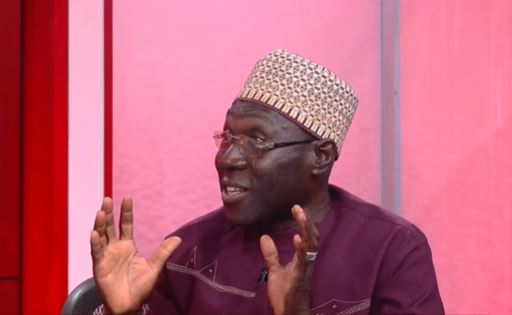
The recent release of a public claims audit has sent shockwaves through Ghana's governance structure, with revelations of a staggering GH¢21 billion in potential financial losses. According to Senyo Hosi, Convener of the OneGhana Movement and Trustee of the Ghana Coalition Against Galamsey, the audit's findings are a damning indictment of the country's governance system, which he claims is designed to loot the state. The audit's exposé has sparked widespread outrage and calls for urgent reform, with many experts and officials weighing in on the implications of the findings.
The audit, which was conducted by the government, aimed to scrutinize public claims and identify potential areas of financial leakage. The results, however, have revealed a deep-seated systemic failure that threatens the very foundations of Ghana's governance structure. As Hosi noted,
"The revelations from the audit are a clear evidence of the systemic failure in our governance structure. It is clear that our system is designed to loot the state, and it is time for us to take a critical look at our institutions and processes."The findings have sparked concerns about the effectiveness of the country's governance system, with many questioning how such large-scale financial losses could have gone undetected for so long.
Expert Analysis
Dr. Eric Oduro Osae, a governance expert and Dean of the Institute of Local Government Studies, believes that the audit's findings are a wake-up call for the government and citizens alike.
"The fact that we have a system that can lose GH¢21 billion without anyone noticing is a clear indication of the weaknesses in our governance structure. We need to take a holistic approach to addressing these weaknesses, including strengthening our institutions and improving transparency and accountability."Osae's comments are echoed by other experts, who argue that the audit's findings are a symptom of a larger problem – a lack of effective oversight and accountability in the governance system.
According to Professor Kwamena Ahwoi, a renowned governance expert, institutions are key to addressing the systemic failures revealed by the audit.
"Institutions are the backbone of any governance system, and it is clear that our institutions are not functioning as they should. We need to strengthen our institutions, including our audit agencies, and ensure that they are independent and effective in their oversight role."Ahwoi's comments highlight the importance of institutional reform in addressing the governance challenges facing Ghana.
Government Response
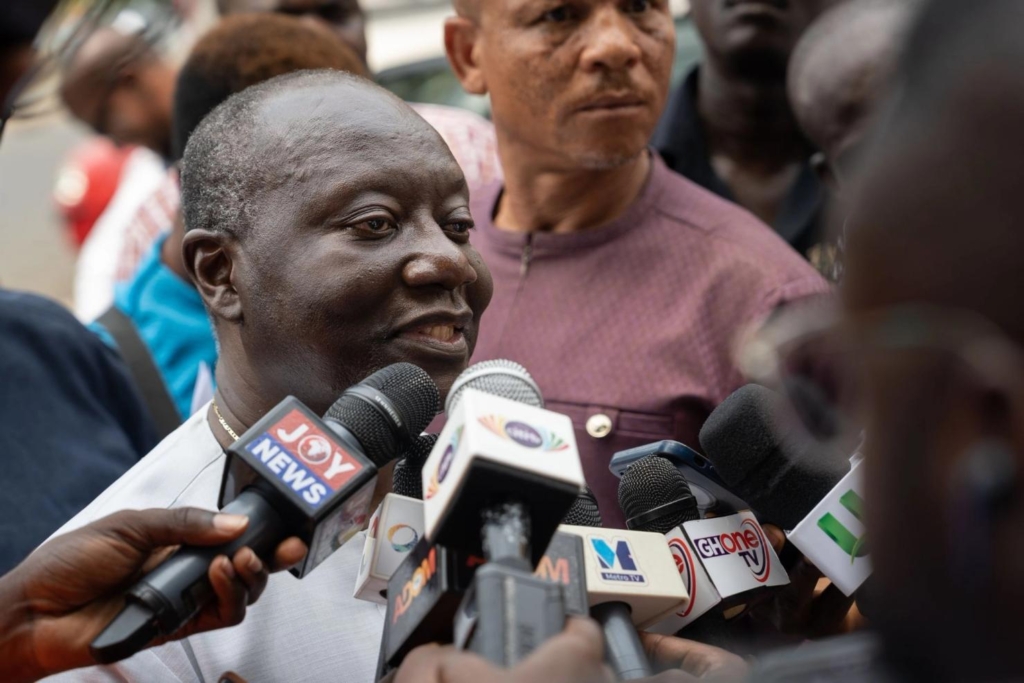
The government has responded to the audit's findings, with the Minister of Finance, Ken Ofori-Atta, acknowledging the need for urgent reform.
"We take the findings of the audit seriously and acknowledge that there are weaknesses in our governance structure that need to be addressed. We are committed to implementing reforms that will strengthen our institutions and improve transparency and accountability."The government's response has been welcomed by many, who see it as a positive step towards addressing the systemic failures revealed by the audit.
However, not everyone is convinced that the government's response will be enough to address the scale of the problem. As Hosi noted,
"The government's response is a good start, but we need to see concrete actions and not just rhetoric. We need to see a clear plan of action and a commitment to implementing reforms that will address the systemic failures in our governance structure."The skepticism is understandable, given the scale of the challenge facing Ghana's governance system.
Way Forward
The audit's findings have sparked a national conversation about the state of Ghana's governance system, with many calling for urgent reform. As the country moves forward, it is clear that institutional reform will be key to addressing the systemic failures revealed by the audit. The government, civil society, and citizens will need to work together to strengthen institutions, improve transparency and accountability, and ensure that the governance system serves the interests of all Ghanaians.
In conclusion, the GH¢21 billion audit exposé has revealed a deep-seated systemic failure in Ghana's governance structure, with far-reaching implications for the country's development. As the nation grapples with the challenges posed by the audit's findings, one thing is clear – reform is urgently needed. The question is, will the government and citizens be able to work together to address the systemic failures and create a governance system that truly serves the interests of all Ghanaians? Only time will tell, but one thing is certain – the future of Ghana's governance system hangs in the balance.