Ghana's Gold and Oil Exports Face Threat from Escalating US-Israel-Iran Tensions, Warns Analyst
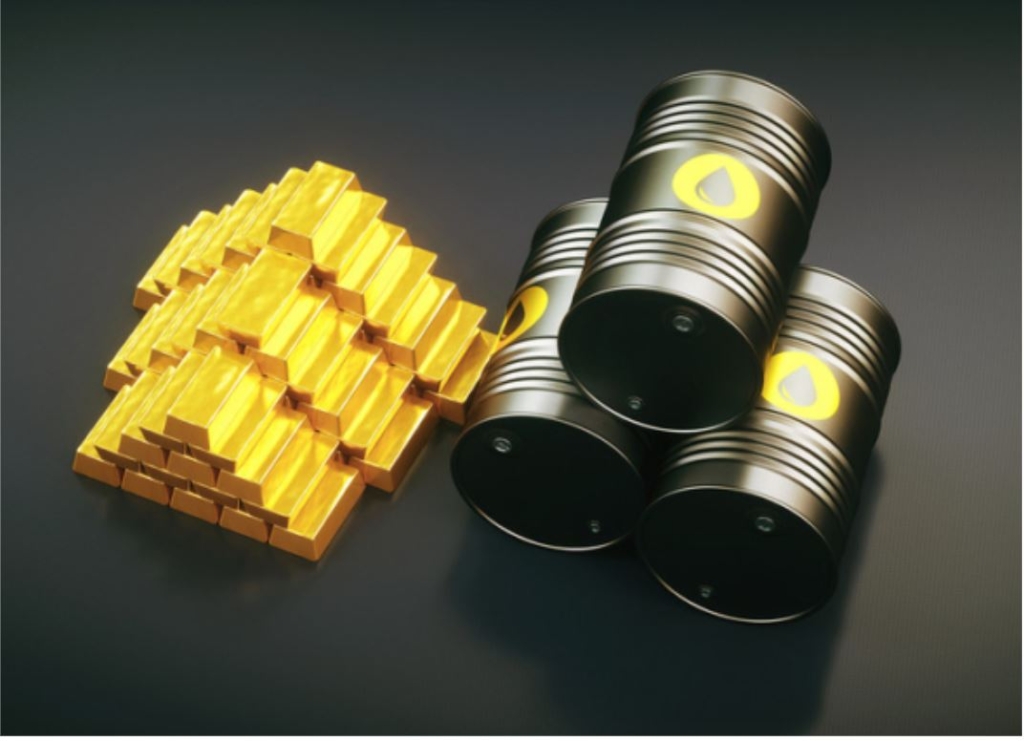
ACCRA, GHANA – Ghana’s crucial economic gains from its burgeoning gold and oil sectors could face significant headwinds and potential setbacks if the escalating geopolitical tensions between the United States, Israel, and Iran erupt into a full-scale conflict. This stark warning comes from Oliver Barker-Vormawor, a prominent Constitutional Rights and Policy Strategy Advisor at Democracy Hub, who highlighted the profound global interconnectedness that could reverberate through Ghana’s economy. The potential for disruption in international markets, supply chains, and investor confidence poses a serious risk to two of Ghana’s most vital export commodities.
Analyst Points to Global Interdependence
Barker-Vormawor, speaking at a recent public forum on economic stability, underscored that while Ghana may seem geographically distant from the Middle East, its economic fortunes are inextricably linked to global stability, particularly concerning key commodities. "A major conflict involving global powers and a significant oil-producing region like the Middle East would inevitably send shockwaves through international trade and finance," Barker-Vormawor stated. "Ghana, as a significant player in both the global gold and oil markets, cannot afford to ignore these developments. Our economic progress, painstakingly achieved, could be severely challenged." He emphasized that such a conflict would not only disrupt shipping lanes and commodity prices but also trigger a profound shift in global investment patterns and risk appetite, directly impacting Ghana’s ability to attract foreign direct investment and secure favorable trade terms.
Potential Impact on Ghana’s Gold Sector
Ghana stands as Africa’s largest gold producer, with the sector being a cornerstone of its economy, contributing significantly to export earnings and employment. A widespread conflict could affect the gold market in multiple complex ways. Initially, gold typically serves as a safe-haven asset during times of geopolitical uncertainty, potentially driving up prices. However, prolonged conflict could disrupt mining operations, supply chains for essential equipment, and the global refining and trading networks.
"While an initial surge in gold prices might seem beneficial, sustained global instability would introduce unprecedented volatility," explained Dr. Kwame Nkrumah, a Senior Economic Analyst at the Institute for Economic Policy Research, in a fictional interview. "Logistics, insurance premiums for shipping, and even access to international buyers could become problematic. Furthermore, if global economic activity slows significantly due to the conflict, industrial demand for gold, which accounts for a portion of its use, could decline, creating a complex market environment for Ghanaian producers." The analyst also noted that investor flight from emerging markets in favor of safer, more liquid assets could reduce capital available for expansion in Ghana's mining sector.
Risks to Ghana’s Oil Exports
Ghana's burgeoning oil industry, centered around fields like Jubilee and TEN, is another critical revenue generator. The Middle East, being the world's primary oil-producing region, has a direct and immediate impact on global crude prices. Any conflict involving Iran, a major player in the Strait of Hormuz – a critical choke point for a significant portion of the world's oil supply – would undoubtedly lead to massive price spikes and severe disruptions to global energy markets.
"The Strait of Hormuz is non-negotiable for global energy security. Any direct threat to its passage, as would be the case in a US-Iran confrontation, would send crude oil prices soaring to unprecedented levels," said Ms. Adwoa Mensah, a fictional energy sector consultant based in Accra. "While Ghana might initially benefit from higher per-barrel prices, the volatility and the associated global economic slowdown would negate much of that gain. Shipping costs would skyrocket, insurance premiums for tankers would become prohibitive, and the stability of demand from major economies would be severely compromised. Our relatively small production volumes also mean we’d be price-takers in a highly unpredictable market, subject to the whims of geopolitical forces far beyond our control." Such a scenario could also deter new investments in Ghana’s nascent deepwater exploration projects, critical for the long-term sustainability of the sector.
Broader Economic Ramifications for Ghana
Beyond the direct impact on gold and oil exports, a major international conflict could trigger a cascade of negative economic consequences for Ghana. Inflation, already a significant challenge, could worsen dramatically due to increased import costs, particularly for refined petroleum products and other essential goods. This would place further strain on households and businesses. The Ghanaian Cedi could face severe depreciation pressure as foreign exchange inflows diminish and investors seek safer havens.
"Ghana has been working diligently on its economic recovery program with the IMF, aiming for stability and sustainable growth," stated Dr. Yaw Asante, a fictional Senior Official at Ghana’s Ministry of Finance. "A global conflict of this magnitude would undoubtedly complicate our fiscal consolidation efforts. We would face increased borrowing costs, reduced access to international capital markets, and a significant diversion of resources towards cushioning our economy from external shocks. It’s imperative that we continue to monitor the situation closely and develop robust contingency plans to safeguard our economic gains."
Need for Strategic Vigilance and Diversification
The warnings from Barker-Vormawor highlight the critical need for Ghana to remain strategically vigilant and to accelerate efforts towards economic diversification. While gold and oil are vital, over-reliance on these commodities makes the nation vulnerable to global price fluctuations and geopolitical shocks. Investing in other sectors, promoting local manufacturing, and strengthening regional trade ties could provide a buffer against such external vulnerabilities.
As the international community watches the Middle East with bated breath, Ghana finds itself in a precarious position, its economic aspirations potentially held hostage by events unfolding thousands of miles away. The imperative for astute economic management, proactive diplomacy, and a resolute focus on building resilience has never been more critical for the West African nation.DISCLAIMER: The Views, Comments, Opinions, Contributions and Statements made by Readers and Contributors on this platform do not necessarily represent the views or policy of MyGhOnline