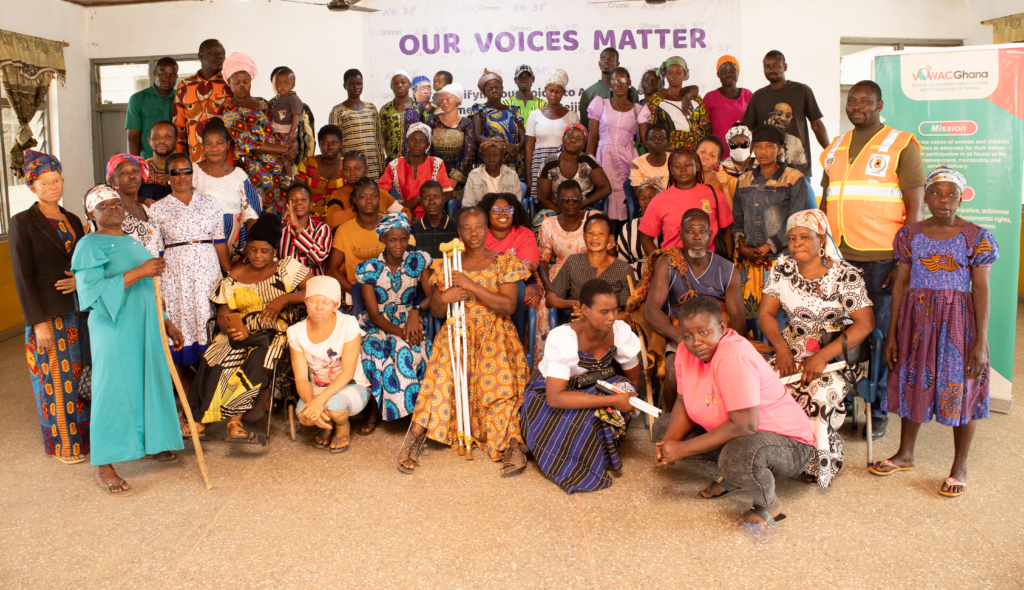
As the world observes International Women’s Day, a growing chorus of voices is emphasizing the need for a more inclusive approach to gender equality, one that specifically addresses the unique challenges faced by women and girls with disabilities. This year’s theme, “Rights. Justice. Action. For ALL Women and Girls,” serves as a powerful reminder that the fight for women's rights must be universal, ensuring that every woman and girl, regardless of their abilities, has access to the same opportunities, protections, and dignities.
The observation of International Women’s Day is a celebration of the social, economic, cultural, and political achievements of women. However, it also highlights the significant barriers that prevent many women and girls from fully participating in society. For women and girls with disabilities, these barriers are often compounded by discrimination, stigma, and a lack of accessible resources, leading to a double layer of marginalization. Dr. Maria Rodriguez, a leading expert on disability rights, notes, "The intersection of gender and disability creates a complex web of challenges that can lead to exclusion from education, employment, healthcare, and social services. It's imperative that we tailor our approaches to address these specific needs, ensuring that our push for gender equality is truly inclusive."
The Challenge of Inclusion
One of the primary challenges in achieving inclusive gender equality is the lack of data and research on the experiences of women and girls with disabilities. This knowledge gap hinders the development of targeted policies and programs that could effectively address their unique needs.
"We can't solve what we don't understand,"says Ms. Sophia Patel, Director of the Global Initiative for Disability Rights. "There's an urgent need for more research and data collection that focuses on the intersectionality of gender and disability. Only with this information can we begin to craft solutions that are meaningful and effective for all women and girls, including those with disabilities."
Additionally, the stigma and discrimination that women and girls with disabilities face can be particularly debilitating. In many societies, disability is associated with shame, and women with disabilities may be seen as a burden or less capable than their able-bodied peers. This can lead to lower self-esteem, reduced opportunities, and a higher risk of violence and abuse. Professor Jane Smith, a specialist in gender and disability studies, emphasizes, "Breaking down these societal barriers requires a multifaceted approach that involves education, advocacy, and policy change. We must work to challenge and change the stereotypes and prejudices that underpin discrimination against women and girls with disabilities."
Call to Action
This International Women’s Day, there is a clear call to action for governments, institutions, communities, and individuals to ensure that the rights, justice, and action promised to all women and girls are truly inclusive. This involves not just recognizing the challenges faced by women and girls with disabilities but also taking concrete steps to address them. Ms. Rachel Lee, a disability rights activist, states, "Inclusion is not just about physical accessibility; it's about creating a society where everyone has the opportunity to thrive. This means ensuring that our schools, workplaces, healthcare systems, and social services are accessible and responsive to the needs of all women and girls, including those with disabilities."
Furthermore, empowering women and girls with disabilities requires providing them with the tools and support necessary to become leaders and advocates in their own right. This can involve training programs, mentorship initiatives, and platforms that amplify their voices and perspectives. By doing so, we can harness the power and potential of all women and girls, regardless of their abilities, to drive change and push for a more equitable society.
As the world moves forward from International Women’s Day, the focus should remain on turning promises into actions, ensuring that the theme of “Rights. Justice. Action. For ALL Women and Girls” becomes a reality. It requires a sustained commitment to inclusivity, equality, and justice, recognizing that the empowerment of all women and girls is fundamental to creating a fairer, more prosperous world for everyone. In the words of Dr. Rodriguez, "The future we want to build must be one where every woman and girl can live with dignity, respect, and equal opportunities. This is not just a moral imperative; it's a necessary step towards a more just and thriving global community."
In conclusion, as we celebrate the achievements of women and renew our commitments to gender equality, we must ensure that our efforts are inclusive and comprehensive, leaving no one behind. The fight for the rights, justice, and action for all women and girls, including those with disabilities, is a collective responsibility that requires the engagement and dedication of us all. By working together and embracing the diversity and strengths of all women and girls, we can create a brighter, more equitable future for generations to come.