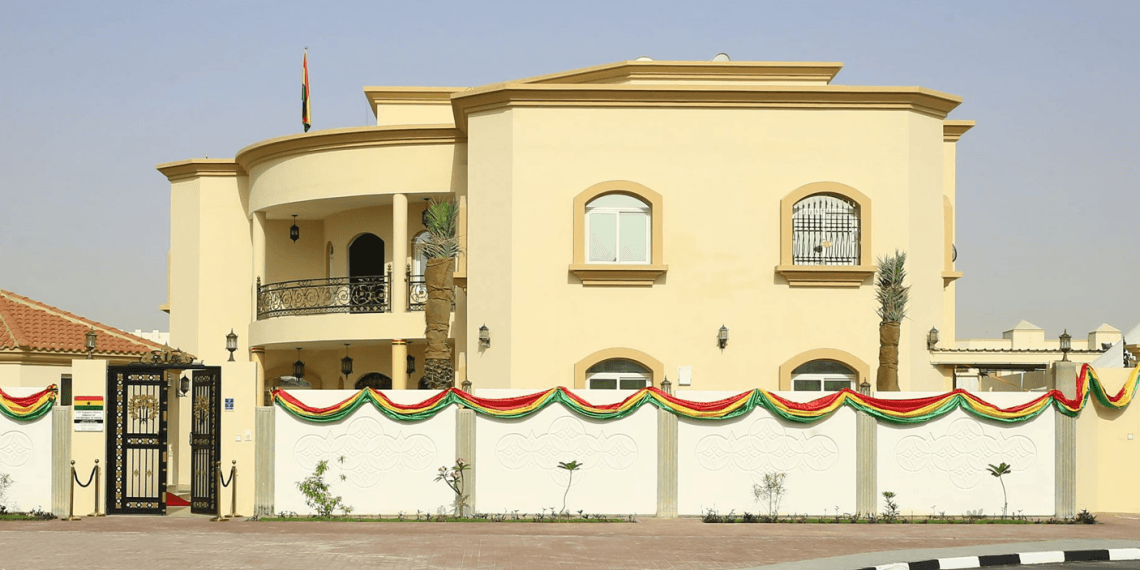
The registration process, according to the Embassy, is a precautionary measure aimed at ensuring the swift and efficient evacuation of Ghanaian nationals in the event of an emergency. The Embassy has urged all Ghanaians living in Qatar, including students, workers, and visitors, to provide their personal and contact details to facilitate communication and coordination. Mr. Kwame Owusu, a spokesperson for the Embassy, explained that the registration process is a critical component of the Embassy's emergency preparedness plan, stating: "We want to ensure that we have the most accurate and up-to-date information on the number of Ghanaians living in Qatar, so that we can respond quickly and effectively in the event of an emergency."
Regional Tensions and Unrest
The directive from the Ghana Embassy in Doha is not an isolated incident, but rather part of a broader response to the escalating tensions and unrest in the region. In recent months, the Middle East has experienced a surge in geopolitical tensions, with several countries issuing travel warnings and advisories to their citizens. Dr. Ama Baafra, a regional security expert, noted that the situation in the region is "fluid and unpredictable," and that "countries are taking proactive measures to protect their citizens and interests." Dr. Baafra added: "The registration of Ghanaian nationals in Qatar is a prudent move, as it will enable the Embassy to respond quickly and effectively in the event of an emergency."
According to
Mr. Owusu, the Embassy has been working closely with the Qatari authorities to ensure the safety and well-being of Ghanaian citizens. He noted that the Embassy has established a 24-hour emergency hotline and has also designated specific assembly points in the event of an evacuation. Ms. Akua Mensah, a Ghanaian student in Qatar, welcomed the Embassy's initiative, stating: "I feel safer knowing that the Embassy is taking steps to protect us. I have already registered and provided my details, and I encourage all my fellow Ghanaians to do the same."
Emergency Preparedness Measures
The Ghana Embassy in Doha has also outlined a range of emergency preparedness measures, including regular security briefings, emergency drills, and evacuation exercises. The Embassy has also established a crisis management team, which will coordinate the response to any emergency situation. Mr. Owusu emphasized that the Embassy is committed to the safety and well-being of Ghanaian citizens, stating: "We are taking all necessary precautions to ensure that our citizens are protected and that we can respond quickly and effectively in the event of an emergency."
The registration process is expected to continue over the coming weeks, with the Embassy urging all Ghanaian nationals to participate. The Embassy has also established a dedicated website and social media channels to provide updates and information on the registration process and emergency preparedness measures. Dr. Baafra noted that the registration process is not only important for emergency preparedness but also for facilitating communication and coordination between the Embassy and Ghanaian citizens. She added: "The registration process will enable the Embassy to provide targeted support and services to Ghanaian citizens, including consular assistance and emergency aid."
In conclusion, the directive from the Ghana Embassy in Doha to register Ghanaian nationals is a proactive measure aimed at ensuring the safety and well-being of citizens in the event of an emergency. As the situation in the region continues to evolve, it is essential that Ghanaian citizens take this directive seriously and register with the Embassy as soon as possible. By doing so, they will be contributing to their own safety and well-being, as well as facilitating the Embassy's efforts to respond quickly and effectively in the event of an emergency. As Mr. Owusu noted: "The safety and well-being of our citizens is our top priority, and we will continue to work tirelessly to ensure that they are protected and supported."