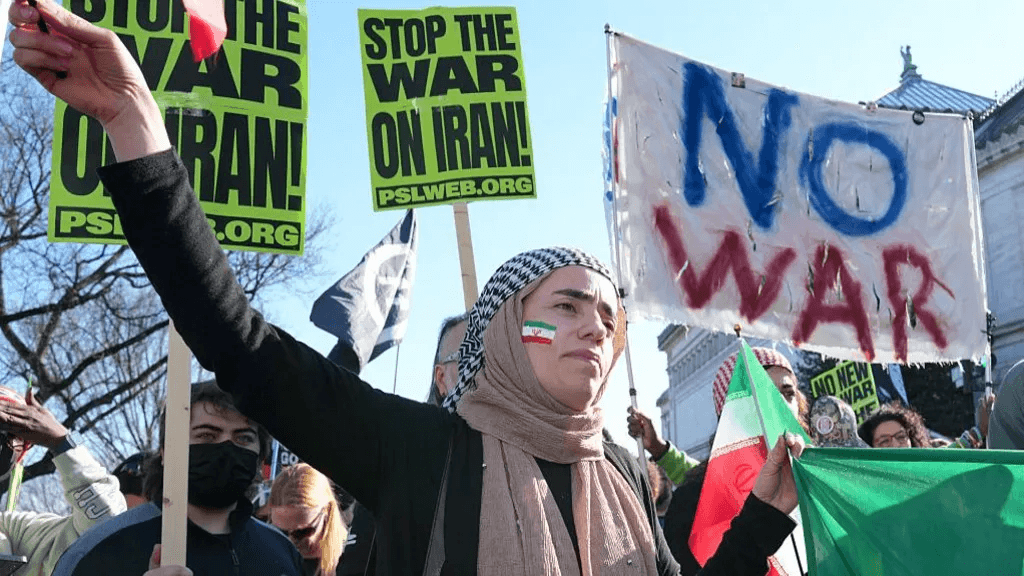
The conflict involving the US, Israel, and Iran has sparked concerns over the stability of the global oil market, with many countries, including Ghana, relying heavily on imported oil to meet their energy needs. According to Collins Adomako-Mensah, Deputy Ranking Member of Parliament's Energy Committee, the situation is being closely monitored, and all necessary measures are being taken to ensure that Ghana's fuel supply is not severely disrupted. "We are taking a proactive approach to address the potential impact of the Middle East conflict on our oil prices," he said in an interview.
"The meeting will provide a platform for us to engage with industry experts and officials to discuss the implications of the conflict on our fuel supply and explore possible solutions to mitigate its effects."
Global Oil Market Volatility
The global oil market has been experiencing increased volatility in recent weeks, with oil prices fluctuating in response to the escalating tensions in the Middle East. The conflict has raised concerns over the potential disruption of oil supplies from the region, which could have far-reaching consequences for countries that rely heavily on imported oil. Dr. Kojo Opoku, a energy expert at the University of Ghana, noted that
"the global oil market is highly interconnected, and any disruption to oil supplies from the Middle East could have a ripple effect on oil prices worldwide."He added that Ghana's fuel supply is particularly vulnerable to fluctuations in the global oil market due to the country's reliance on imported oil to meet its energy needs.
Impact on Ghana's Economy
The potential disruption to Ghana's fuel supply could have significant implications for the country's economy. The transport sector, which is heavily reliant on fuel, could be particularly affected, with increased fuel costs potentially leading to higher transportation costs and inflation. Mr. Adomako-Mensah noted that
"the committee is aware of the potential economic implications of the conflict and is working to ensure that the country is prepared to respond to any disruptions to the fuel supply."He added that the committee is exploring options for diversifying Ghana's energy mix, including the development of renewable energy sources, to reduce the country's reliance on imported oil.
According to Mr. Frederick Owusu, a senior official at the National Petroleum Authority, the authority is closely monitoring the situation and is working to ensure that the country's fuel supply is not severely disrupted.
"We are in constant communication with our international partners and are working to ensure that we have a steady supply of fuel to meet the country's energy needs,"he said. He added that the authority is also exploring options for increasing the country's fuel storage capacity to mitigate the effects of any potential disruptions to the fuel supply.
Way Forward
The emergency talks scheduled to take place this week will provide a critical platform for stakeholders to discuss the potential impact of the Middle East conflict on Ghana's fuel supply and explore strategies for mitigating its effects. The meeting will bring together experts and officials from the energy sector, including representatives from the National Petroleum Authority, the Ghana Petroleum Commission, and the Ministry of Energy. Dr. Opoku noted that
"the meeting is a positive step towards addressing the potential risks associated with the conflict and ensuring that the country is prepared to respond to any disruptions to the fuel supply."
In conclusion, the escalating tensions in the Middle East pose a significant threat to Ghana's fuel supply, and the emergency talks scheduled to take place this week are a critical step towards addressing the potential risks associated with the conflict. As the situation continues to unfold, it is essential that stakeholders work together to ensure that the country is prepared to respond to any disruptions to the fuel supply and to mitigate the effects of the conflict on the economy. The outcome of the emergency talks will be closely watched, and it is hoped that the meeting will provide a clear direction for the country's response to the crisis and a strategy for ensuring a stable fuel supply in the face of uncertainty.