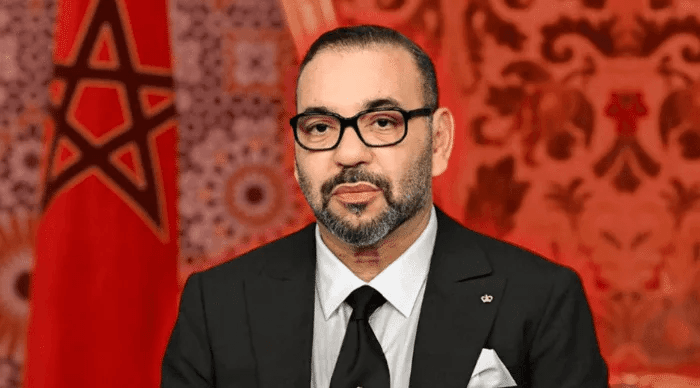
The statement from the Royal Office highlighted the Kingdom's commitment to standing by its allies in the Gulf, emphasizing that Morocco views any threat to the security and sovereignty of these states as a concern for the entire Arab world. Dr. Abdelmalek Alaoui, a Moroccan political analyst, noted, "This stance reflects Morocco's strategic position in the Arab world and its role as a mediator in regional conflicts. The King's statement is a clear message of support to the Gulf States and a warning to any party attempting to undermine their stability." The analyst further emphasized that Morocco's historical ties with the Gulf States, both culturally and economically, play a significant role in its foreign policy decisions, particularly in times of crisis.
Regional Implications
The reaffirmation of support by King Mohammed VI has significant implications for regional security and diplomacy. It underscores Morocco's active role in promoting stability and peace in the Arab world, particularly in the Gulf region, which has faced numerous challenges in recent years. The move is also seen as part of a broader initiative to strengthen Arab unity and cooperation in the face of external pressures and internal conflicts.
"The solidarity expressed by King Mohammed VI is a beacon of hope for Arab unity and a strong message against any form of aggression or interference in the internal affairs of Arab countries,"said Ambassador Khalid Al-Jaber, a former diplomat from a Gulf State, highlighting the importance of such statements in fostering a sense of unity and shared purpose among Arab nations.
Economic and Strategic Ties
Beyond the political and diplomatic realm, the statement also underscores the economic and strategic ties between Morocco and the Gulf States. Morocco has been actively seeking to diversify its economy and strengthen its position as a hub for trade and investment between Europe, Africa, and the Arab world. The Gulf States, with their significant financial resources and strategic locations, are key partners in this endeavor. Dr. Fatima El-Morrakchi, an economist specializing in Arab-African relations, observed, "The support for the Gulf States is not just a political gesture; it also reflects Morocco's long-term economic strategy. By strengthening ties with the Gulf, Morocco aims to attract more investments, promote trade, and enhance its economic resilience in a rapidly changing global landscape." The economic dimension of Morocco's relations with the Gulf States adds a layer of complexity and mutual interest to their partnership, making it a cornerstone of Morocco's foreign policy.
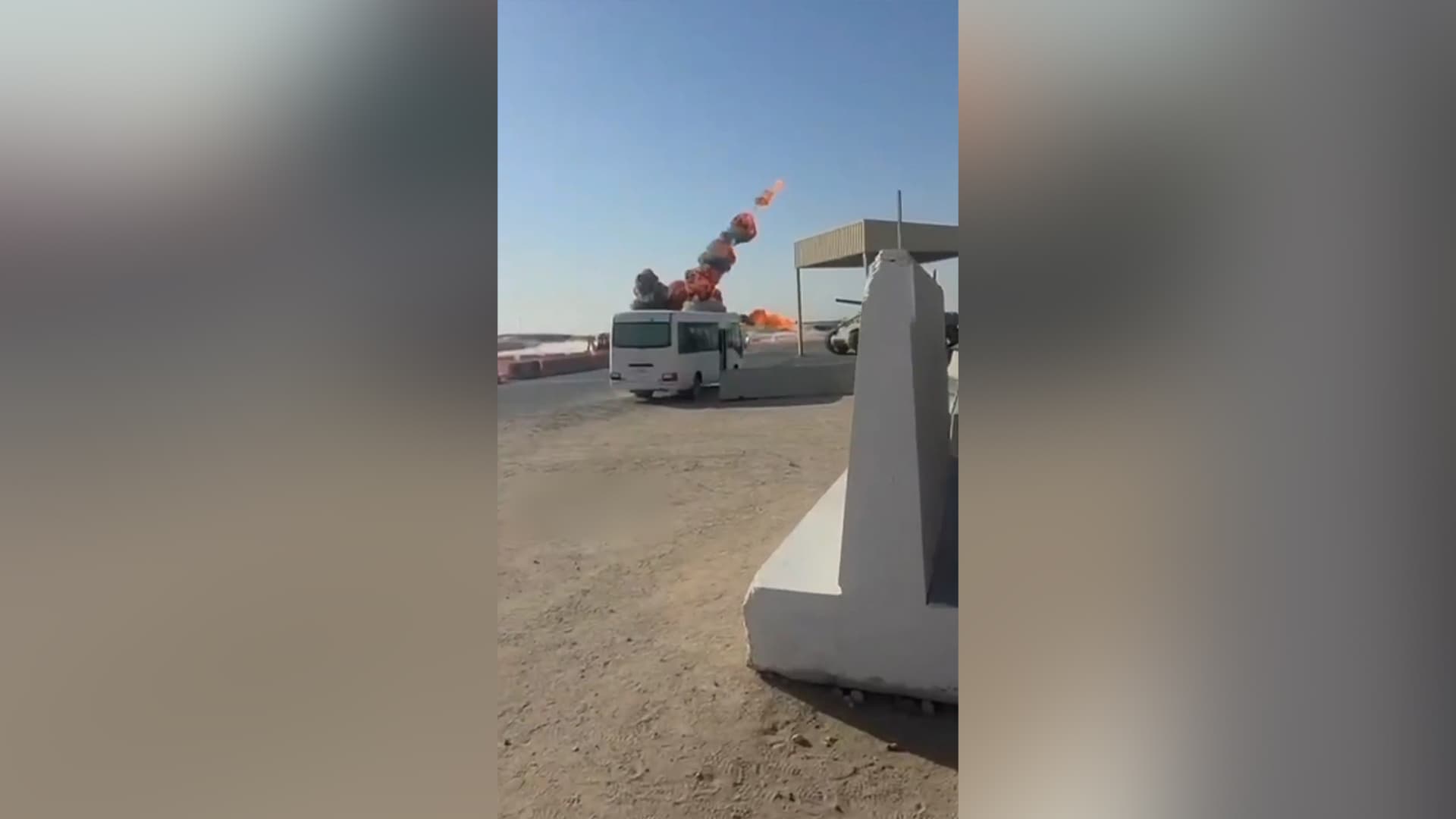
The recent attacks on the security and sovereignty of the Gulf States have raised concerns about regional stability and the potential for escalation. In this context, King Mohammed VI's reaffirmation of Morocco's support is seen as a timely and necessary move to bolster the morale of the affected states and deter any further aggression. General Ahmed Al-Rashid, a military strategist from the region, commented, "The statement by the King of Morocco sends a strong signal to potential aggressors that the Arab world will not stand idly by in the face of threats to its stability. It's a call for collective defense and a reminder of the importance of unity in the face of common challenges." This perspective highlights the security aspect of Morocco's stance, emphasizing the role of collective defense in maintaining regional peace.
International Response
The international community has been watching the developments in the Gulf region with keen interest, given the potential for broader geopolitical implications. The support expressed by King Mohammed VI for the Gulf States is likely to resonate positively among Morocco's international partners, who view stability in the Arab world as crucial for global security.
"Morocco's stance is a welcome contribution to regional stability and a testament to the Kingdom's commitment to peaceful resolution of conflicts,"noted UN Representative Maria Rodriguez, echoing the sentiments of many in the international community who see Morocco as a key player in regional and global affairs.
In conclusion, King Mohammed VI's reaffirmation of Morocco's full support for the Gulf States in the face of attacks on their security and sovereignty marks a significant moment in Arab diplomacy and regional solidarity. As the Arab world and the international community at large continue to navigate the complexities of regional conflicts and global challenges, Morocco's stance serves as a powerful reminder of the importance of unity, cooperation, and collective defense. Looking forward, it will be crucial to build on this momentum, fostering deeper ties between Morocco, the Gulf States, and other Arab nations, with the ultimate goal of achieving a more stable, secure, and prosperous Arab world. This endeavor, while fraught with challenges, presents a historic opportunity for Arab states to redefine their regional role and contribute meaningfully to global peace and stability.