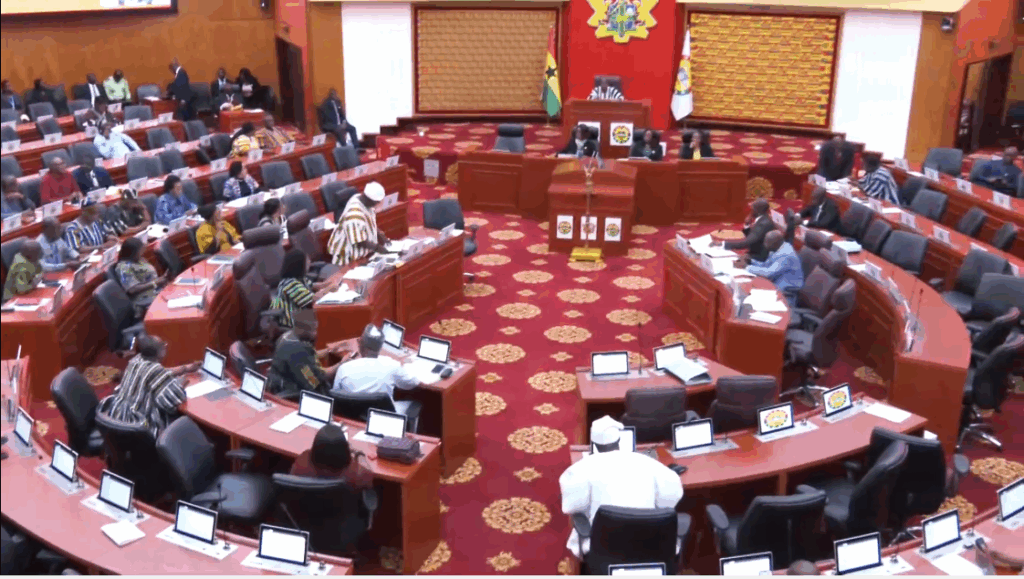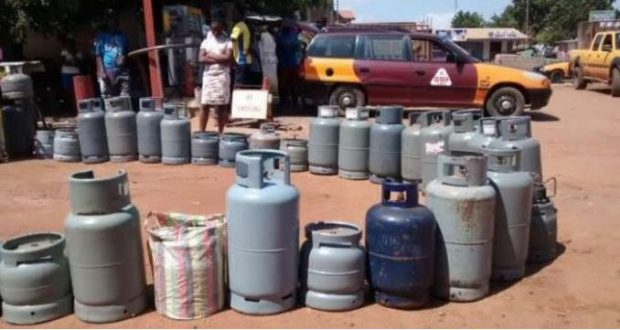
In a significant move aimed at promoting local industry and reducing reliance on foreign imports, the Ghanaian government has announced plans to phase out the importation of Liquefied Petroleum Gas (LPG) cylinders into the country. This decision, as announced by the Minister of Energy and Green Transition, John Abdulai Jinapor, to Parliament, underscores the government's commitment to enhancing domestic manufacturing capabilities and creating jobs.
According to Minister Jinapor, the initiative is part of a broader strategy to strengthen the local economy by supporting indigenous businesses and fostering an environment conducive to growth and development. By banning the importation of LPG cylinders, the government aims to encourage the production of these cylinders within Ghana, thereby reducing the country's dependence on foreign suppliers and promoting self-sufficiency in the energy sector.
Background and Rationale
The decision to phase out imported LPG cylinders is grounded in the government's recognition of the potential for local manufacturing to drive economic growth and development. Ghana has been importing LPG cylinders for decades, a practice that has not only drained the country's foreign exchange reserves but also limited opportunities for local businesses to thrive. By promoting the local production of LPG cylinders, the government seeks to create new job opportunities and stimulate economic activity in related sectors.
As noted by
"The importation of LPG cylinders has been a significant drain on our foreign exchange reserves. By producing these cylinders locally, we can conserve foreign exchange, create jobs, and stimulate economic growth,"said Dr. Kwame Ampofo, a energy policy analyst at the University of Ghana. Dr. Ampofo further emphasized that the local production of LPG cylinders will also enhance the safety and quality of these products, as they will be subject to stricter regulatory standards and quality control measures.
Implementation Plan
While the government has announced its intention to phase out imported LPG cylinders, the implementation plan is still being finalized. According to Minister Jinapor, the government will engage with stakeholders, including local manufacturers, importers, and consumers, to ensure a smooth transition to locally produced LPG cylinders. The government will also provide support to local manufacturers to enable them to increase production and meet the demand for LPG cylinders.
"We are committed to supporting local manufacturers to ensure that they have the capacity to produce high-quality LPG cylinders that meet international standards. We will provide the necessary incentives and support to enable them to compete effectively in the market,"said Minister Jinapor. The government's plan also includes measures to enhance the regulatory framework governing the production and distribution of LPG cylinders, to ensure that safety and quality standards are strictly enforced.
Challenges and Opportunities
While the decision to phase out imported LPG cylinders presents significant opportunities for local manufacturers and the economy as a whole, it also poses challenges. One of the major challenges is the need to develop the capacity of local manufacturers to produce LPG cylinders that meet international safety and quality standards. This will require significant investment in technology, training, and infrastructure.
However, as noted by Emmanuel Kwarteng, a business consultant,
"The opportunities presented by this initiative far outweigh the challenges. By supporting local manufacturers, we can create a vibrant and competitive industry that drives economic growth and development."Mr. Kwarteng further emphasized that the local production of LPG cylinders will also reduce the country's reliance on foreign suppliers, enhance energy security, and contribute to a more sustainable energy mix.
In conclusion, the Ghanaian government's decision to phase out imported LPG cylinders is a significant step towards promoting local manufacturing, reducing reliance on foreign imports, and driving economic growth. While there are challenges to be addressed, the opportunities presented by this initiative are substantial. As the government moves to implement this plan, it is essential that all stakeholders work together to ensure a smooth transition and to support the development of a vibrant and competitive local manufacturing industry.