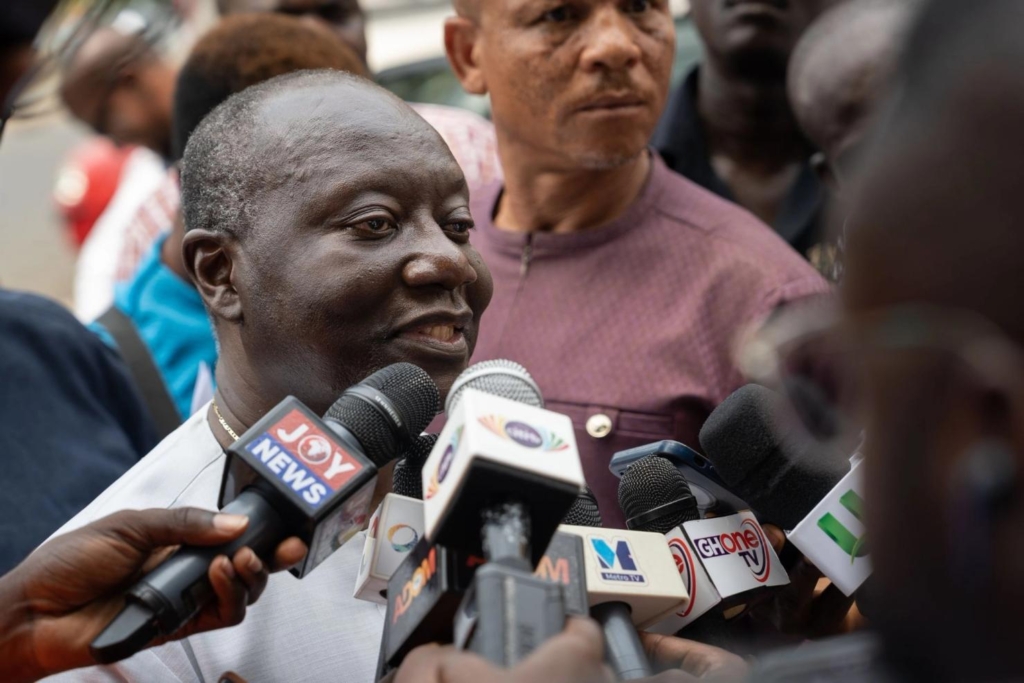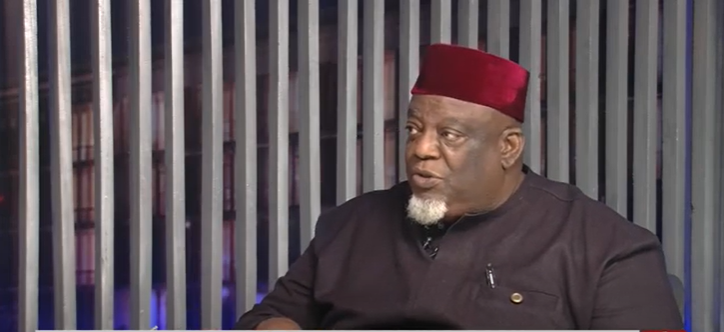
The recent audit of public claims submitted to the Ministry of Finance has uncovered staggering financial irregularities totaling GH¢21 billion, sparking widespread outrage and demands for accountability. At the forefront of these calls is Joe Jackson, Chief Executive Officer of Dalex Finance Ghana, who is urging the authorities to prosecute and jail individuals found guilty of wrongdoing. According to Jackson, the sheer scale of the irregularities necessitates swift and decisive action to restore public trust and prevent future occurrences.
The audit, which examined public claims submitted to the Ministry of Finance, revealed a complex web of financial malfeasance, including fraudulent claims, misappropriation of funds, and other forms of financial impropriety. The findings have sent shockwaves through the country, with many Ghanaians expressing dismay and disappointment at the blatant abuse of public resources. As the news continues to unfold, experts and officials are weighing in on the matter, emphasizing the need for transparency and accountability in the handling of public finances.
Expert Analysis and Reaction
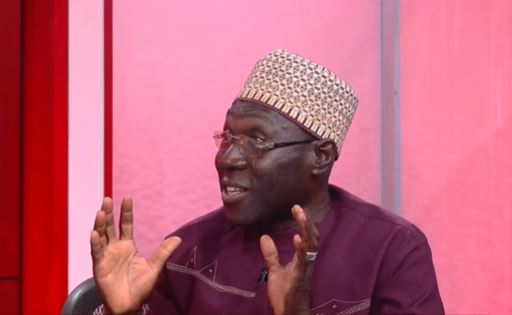
Dr. Samuel Mensah, a financial expert and lecturer at the University of Ghana, believes that the audit exposé presents a unique opportunity for the government to demonstrate its commitment to good governance and transparency. "The fact that such large-scale financial irregularities were able to occur in the first place raises serious questions about the effectiveness of our internal controls and oversight mechanisms," he noted. "However, by taking decisive action against those found guilty, the government can send a strong signal that it is serious about tackling corruption and ensuring that public resources are used for the benefit of all Ghanaians."
"The prosecution of individuals implicated in financial irregularities is not only a matter of justice, but also a necessary step towards restoring public trust in government institutions. We must ensure that those who have abused their positions of trust are held accountable for their actions, and that measures are put in place to prevent similar occurrences in the future." - Joe Jackson, CEO of Dalex Finance Ghana
Mr. Kwame Owusu, a civil society activist, concurred with Jackson's assertion, adding that the prosecution of individuals found guilty would serve as a deterrent to others who might be tempted to engage in similar behavior. "The fact that GH¢21 billion was lost to financial irregularities is a staggering indictment of our system of governance," he said. "We need to take bold and decisive action to address this issue, and that includes prosecuting those responsible and implementing reforms to prevent similar losses in the future."
Government Response and Next Steps
In response to the audit findings, the Ministry of Finance has announced plans to conduct a thorough investigation into the matter, with a view to identifying those responsible and taking appropriate action. According to a statement released by the ministry, "the government is committed to transparency and accountability in the management of public finances, and will take all necessary steps to ensure that those found guilty of wrongdoing are held accountable." While the statement has been welcomed by many as a positive step, others have expressed skepticism, citing the need for more concrete action to address the issue.
As the situation continues to unfold, one thing is clear: the Ghanaian public is demanding action, and the government must respond accordingly. With the prosecution of individuals found guilty of financial irregularities high on the agenda, the coming weeks and months will be crucial in determining the outcome of this saga. As Joe Jackson succinctly put it, "some people must be prosecuted and jailed if found guilty" - a sentiment that is likely to resonate with many Ghanaians as they await justice and accountability.
In conclusion, the GH¢21 billion audit exposé has brought to the fore the critical issue of financial management and accountability in Ghana. As the country navigates this challenging period, it is essential that the government takes bold and decisive action to address the problem, including prosecuting those found guilty and implementing reforms to prevent similar losses in the future. By doing so, the government can restore public trust, ensure that public resources are used for the benefit of all Ghanaians, and build a brighter future for the country. The world will be watching as Ghana takes its first steps towards recovery and reform, and it is imperative that the government gets it right this time around.