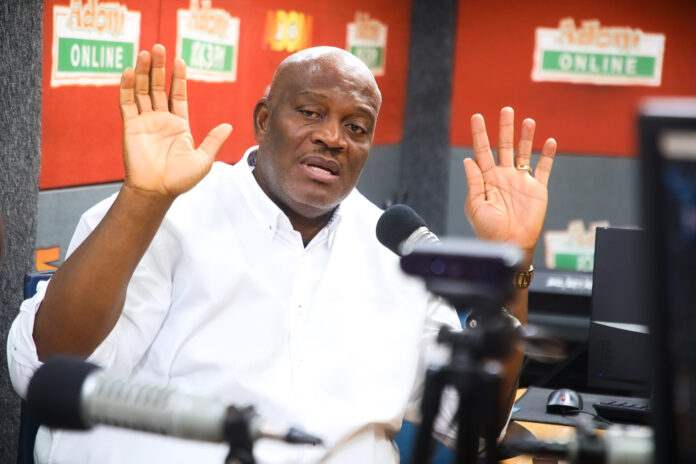
The recent controversy surrounding the Ghana security services recruitment has sparked a wave of reactions from various stakeholders, with former Interior Minister Henry Quartey being the latest to weigh in on the matter. In a surprising turn of events, Quartey has expressed sympathy for the current Interior Minister, Mubarak Mohammed Muntaka, citing the immense pressure he is facing amidst the recruitment saga. This development has raised eyebrows, with many wondering what could have prompted Quartey's unexpected show of solidarity with his successor.
According to Quartey, the recruitment process has been marred by intense scrutiny and public outcry, which has put Muntaka in a difficult position. "I feel sorry for Muntaka over the recruitment pressure he is facing," Quartey said in an exclusive interview. "The Interior Minister is facing a herculean task in trying to balance the demand for jobs with the limited available positions, all while ensuring that the recruitment process is fair and transparent." Quartey's comments have been seen as a rare display of camaraderie between two individuals from different political persuasions, and have sparked a debate about the challenges facing the current administration.
Background to the Controversy
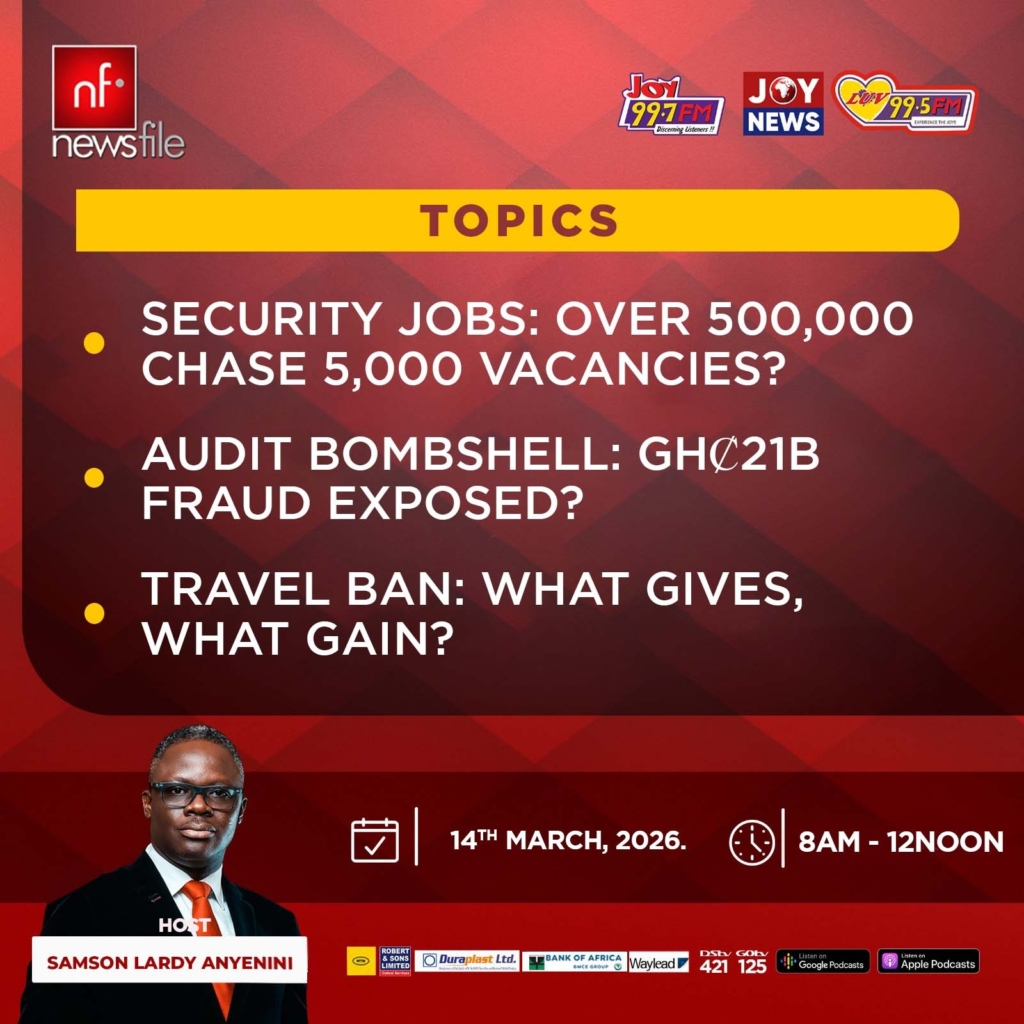
The Ghana security services recruitment has been a subject of controversy in recent months, with allegations of irregularities and favoritism leveled against the government. The recruitment process, which aims to fill thousands of positions in the security services, has been marred by delays and confusion, leading to widespread discontent among applicants. The situation has been further complicated by reports of corruption and nepotism, which have eroded public trust in the recruitment process.
Experts have blamed the controversy on a combination of factors, including poor planning, inadequate resources, and lack of transparency. "The recruitment process has been poorly managed from the outset," said Dr. Kwame Addo, a security expert at the University of Ghana. "The government needs to take a step back and re-evaluate the entire process to ensure that it is fair, transparent, and free from corruption." Addo's comments have been echoed by other experts, who have called for a thorough investigation into the recruitment process.
"The government needs to be proactive in addressing the concerns of applicants and ensuring that the recruitment process is credible. Anything short of this will only serve to exacerbate the situation and undermine public trust in the security services." - Dr. Ama Frimpong, security analyst
Implications of the Controversy
The controversy surrounding the Ghana security services recruitment has far-reaching implications for the country's security landscape. The integrity of the security services is at stake, and any perception of corruption or favoritism could erode public trust and undermine national security. Moreover, the controversy has the potential to polarize the country, with different factions taking sides and fueling tensions.
Quartey's expression of sympathy for Muntaka has been seen as a call for calm and a reminder of the need for unity in the face of adversity. "We need to put aside our differences and work together to address the challenges facing our security services," Quartey said. "The security of our nation is at stake, and we cannot afford to play politics with it." Quartey's comments have been welcomed by many, who see them as a timely reminder of the need for cooperation and collaboration in addressing the country's security challenges.
In conclusion, the controversy surrounding the Ghana security services recruitment is a complex and multifaceted issue that requires a nuanced approach. While Quartey's expression of sympathy for Muntaka is a welcome gesture, it is only the first step in addressing the deeper issues that have led to the controversy. As the country moves forward, it is essential that the government takes concrete steps to address the concerns of applicants, ensure transparency and fairness in the recruitment process, and restore public trust in the security services. Only then can the country begin to heal and move forward, with a renewed sense of purpose and unity.