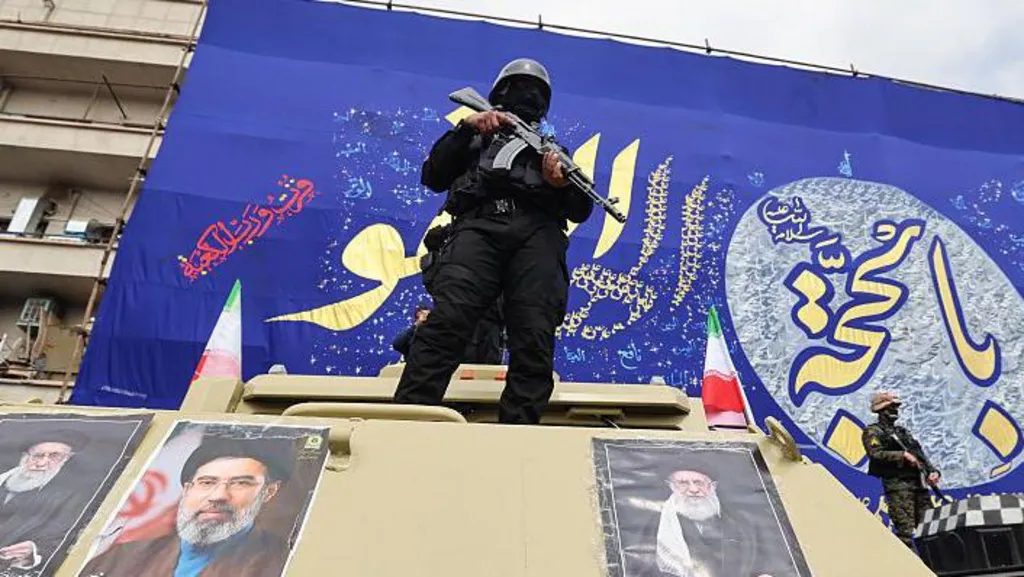
The United States has issued a stark warning to the people of Iran, urging them to "take over your government" in the wake of a surprise military strike that killed Supreme Leader Ayatollah Ali Khamenei. The sudden and dramatic escalation of tensions between the two nations has sparked widespread fears of all-out war, with experts warning that the region is now "on the brink of chaos".
The strike, which was authorized by US President Donald Trump, has been widely condemned by international leaders, who have expressed grave concerns about the potential consequences of such a move. Dr. Sanam Vakil, a leading expert on Iranian politics at the London-based think tank Chatham House, described the situation as "incredibly volatile", saying that "the killing of Ayatollah Khamenei has removed a key pillar of stability in Iran, and it's now unclear who is in charge or what the consequences of this action will be".
Regional Repercussions
The strike has sent shockwaves throughout the Middle East, with many of Iran's neighbors scrambling to respond to the rapidly unfolding crisis. According to Dr. Trita Parsi, founder of the National Iranian American Council, "the region is now facing a perfect storm of instability, with the potential for widespread violence and chaos". Parsi warned that "if the US is serious about promoting regime change in Iran, it needs to have a clear plan in place for what comes next, otherwise we risk plunging the entire region into darkness".
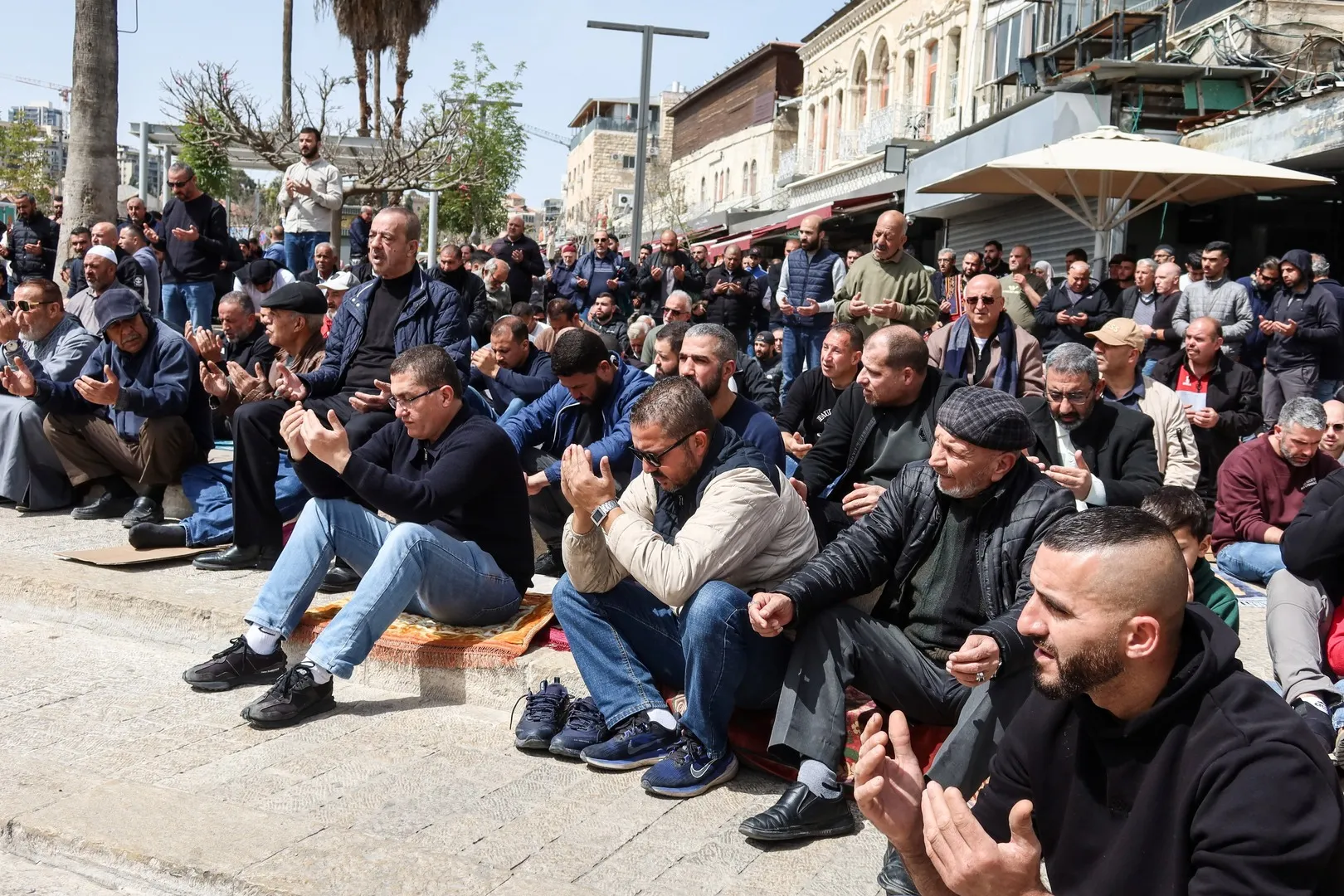
In the aftermath of the strike, there have been reports of widespread protests and unrest in Iran, with many citizens taking to the streets to express their anger and outrage at the US action. The Iranian government has vowed to retaliate against the US, with Supreme Leader Ayatollah Ali Khamenei's successor, Ayatollah Ebrahim Raisi, promising that "the great nation of Iran will not be intimidated by the threats of the American regime".
"The Iranian people will not be bullied or coerced into submission by the United States or any other foreign power. We will defend our nation, our values, and our way of life, no matter the cost." - Ayatollah Ebrahim Raisi
International Reaction
The international community has been quick to condemn the US strike, with many world leaders expressing deep concerns about the potential consequences of such a move. United Nations Secretary-General António Guterres has called for an emergency meeting of the UN Security Council to discuss the crisis, saying that "the situation in Iran is extremely grave, and it's essential that we work together to find a peaceful resolution to this conflict".
European leaders have also been vocal in their criticism of the US action, with German Chancellor Angela Merkel saying that "the killing of Ayatollah Khamenei is a catastrophic mistake that will have far-reaching consequences for the entire region". Merkel warned that "the US must now work with the international community to find a way out of this crisis, rather than continuing to escalate tensions".
As the situation in Iran continues to deteriorate, the world is holding its breath, waiting to see what will happen next. With the US and Iran on a collision course, and the region teetering on the brink of chaos, the stakes have never been higher. The coming days and weeks will be crucial in determining the course of this crisis, and whether the international community can find a way to pull back from the edge of disaster.
In conclusion, the US strike on Iran has set in motion a chain of events that threatens to destabilize the entire region. As the world watches with bated breath, it's clear that the situation is highly volatile, and that the consequences of this action will be far-reaching. With fingers on the trigger, and tensions running high, it's now up to the international community to work together to find a peaceful resolution to this crisis, before it's too late. The future of the region, and the world, may depend on it.