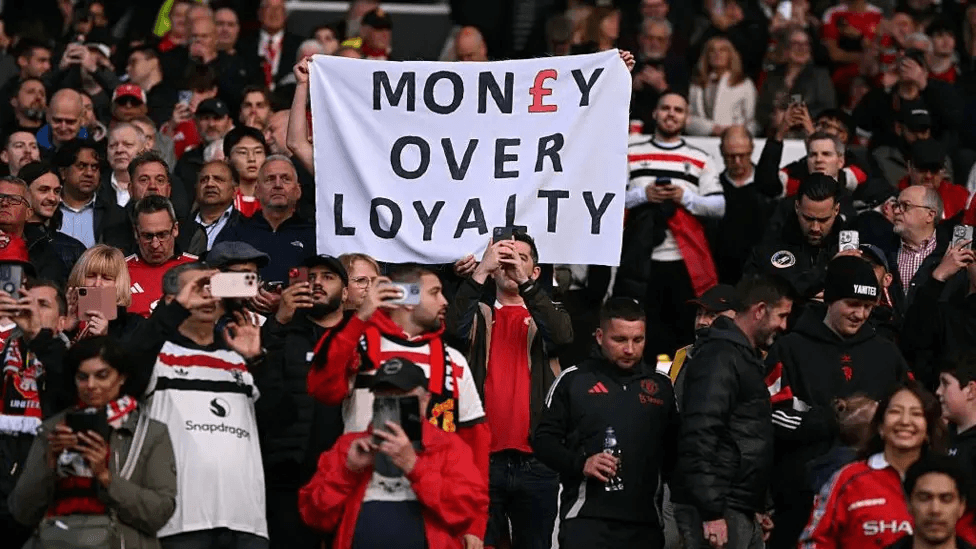
The figures are a stark reminder of the Premier League's status as one of the most lucrative and popular sports leagues in the world. With massive television deals and sponsorship contracts, the league's top clubs are able to attract the best players and coaches, creating a virtuous cycle of success and revenue growth. However, the high cost of attending matches is a concern for many fans, who are being priced out of the market. As one fan noted, "I've been supporting my team for over 20 years, but the cost of tickets is becoming unsustainable. I'm not sure how much longer I can afford to attend matches."
Ticket Revenue Soars
The report reveals that ticket revenue for the Premier League's top six clubs has increased significantly over the past few years, with some clubs seeing rises of over 20% in the past year alone. This is largely due to the introduction of dynamic pricing, which allows clubs to adjust ticket prices based on demand. While this has helped to maximize revenue, it has also led to accusations of price gouging and exploitation of fans. According to Dr. Stefan Szymanski, a sports economist at the University of Michigan, "The use of dynamic pricing is a clever way for clubs to increase revenue, but it can also be seen as a way to take advantage of loyal fans who are willing to pay a premium to attend matches."
"The Premier League is a global brand, and clubs are able to charge high prices for tickets because of the demand from fans around the world. However, this can be a double-edged sword, as high prices can also lead to empty seats and a lack of atmosphere at matches." - Richard Scudamore, former Premier League executive chairman
Financial Disparity
The report also highlights the growing financial disparity between the Premier League's top clubs and the rest of the league. While the top six clubs are able to generate hundreds of millions of pounds in revenue each year, smaller clubs are struggling to stay afloat. This has led to concerns about the long-term sustainability of the league, with some smaller clubs facing the very real possibility of relegation to the lower divisions. As one official noted, "The financial gap between the top clubs and the rest of the league is growing all the time. If we're not careful, we could see a situation where only a handful of clubs are able to compete at the top level, while the rest are left to fight it out for scraps."
The Premier League has attempted to address the issue of financial disparity through the introduction of measures such as the Financial Fair Play (FFP) regulations, which are designed to prevent clubs from Overspending on player transfers and wages. However, the effectiveness of these measures has been questioned, with some clubs finding ways to circumvent the rules and maintain their financial advantage. According to Steve Brown, a football finance expert, "The FFP regulations are a step in the right direction, but they need to be strengthened and enforced more rigorously if they are to have a meaningful impact on the financial sustainability of the league."
Conclusion
In conclusion, the English Premier League's wealthiest clubs are continuing to reap the benefits of their massive fan base, with supporters paying a premium to attend matches. While the high cost of attending matches is a concern for many fans, it is also a reflection of the league's status as one of the most popular and lucrative sports leagues in the world. As the league continues to evolve and grow, it will be interesting to see how the issue of financial disparity is addressed, and whether the Premier League will be able to find a way to balance the needs of its top clubs with those of its smaller members. As one expert noted, "The Premier League is at a crossroads, and the decisions that are made in the coming years will have a profound impact on the future of the league and its member clubs."