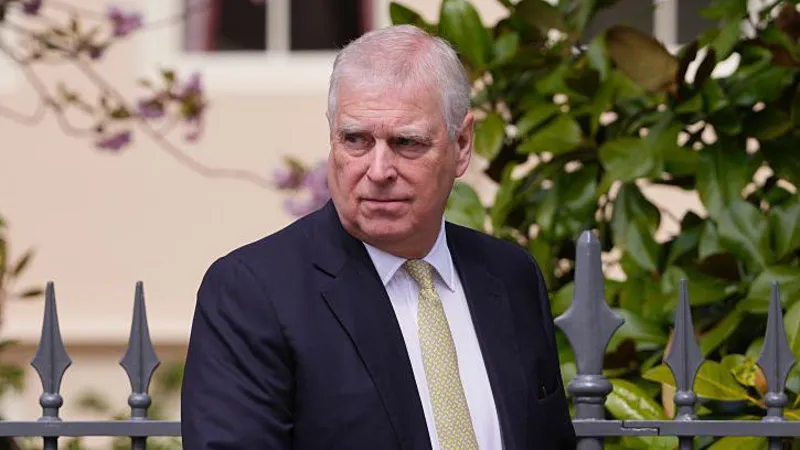
In a surprise move, Canadian Prime Minister Mark Carney has called for Prince Andrew, Duke of York, to be removed from the royal line of succession, sparking a heated debate about the role of the monarchy in modern society. The Prime Minister's statement comes amidst ongoing controversy surrounding Prince Andrew's association with convicted sex offender Jeffrey Epstein, as well as allegations of sexual misconduct against the prince himself. According to sources close to the Prime Minister's office, Carney's decision was motivated by a desire to protect the integrity of the Canadian monarchy and ensure that the institution remains relevant and respected by the Canadian people.
Background to the Controversy
Prince Andrew has been embroiled in controversy for several years, with many criticizing his decision to maintain a close friendship with Epstein, a financier who was convicted of sex trafficking and other crimes. The prince has also faced allegations of sexual misconduct, which he has consistently denied. Despite these denials, the controversy surrounding Prince Andrew has shown no signs of abating, with many calling for him to be stripped of his royal titles and removed from public life. The Canadian Prime Minister's call for Prince Andrew's removal from the line of succession is the latest development in this ongoing saga, and is likely to have significant implications for the future of the monarchy in Canada.
According to Dr. Carolyn Harris, a historian and expert on the British monarchy, the Prime Minister's decision is not without precedent. "There have been instances in the past where individuals have been removed from the line of succession due to their behavior or actions," she said in an interview. "For example, King Edward VIII was forced to abdicate the throne in 1936 due to his decision to marry an American divorcee, Wallis Simpson. Similarly, Prince Andrew's association with Jeffrey Epstein and the allegations of sexual misconduct against him have raised serious concerns about his suitability to remain in the line of succession."
Implications for the Monarchy
The implications of the Prime Minister's call for Prince Andrew's removal from the line of succession are far-reaching and complex. If successful, the move could have significant consequences for the future of the monarchy in Canada, potentially paving the way for a more streamlined and modernized institution.
"The monarchy is an important part of Canadian history and culture, but it must also be relevant and responsive to the needs and values of the Canadian people," said Professor Robert Wardhaugh, a constitutional expert at the University of Western Ontario. "By removing Prince Andrew from the line of succession, the Prime Minister is sending a strong signal that the monarchy is committed to upholding the highest standards of integrity and accountability."
However, not everyone is convinced that the Prime Minister's move is the right one. Sir John Jenkins, a former British diplomat and expert on the monarchy, cautioned that the decision could have unintended consequences. "The monarchy is a complex and nuanced institution, and any attempts to remove individuals from the line of succession must be carefully considered and thought through," he said. "While I understand the concerns surrounding Prince Andrew, I am not convinced that removal from the line of succession is the best solution. Instead, we should be focusing on how to rebuild trust and confidence in the monarchy, rather than simply trying to remove individuals who are perceived as problematic."
Next Steps
So what happens next? The process of removing Prince Andrew from the line of succession is likely to be complex and time-consuming, requiring significant consultation and cooperation between the Canadian government, the British monarchy, and other relevant stakeholders. According to sources close to the Prime Minister's office, the government is already working on a plan to introduce legislation that would formally remove Prince Andrew from the line of succession, although the exact details of this plan have not yet been made public.
In the meantime, the controversy surrounding Prince Andrew is likely to continue, with many Canadians watching with interest to see how the situation unfolds. As Dr. Harris noted, the future of the monarchy in Canada is uncertain, and the decisions made in the coming weeks and months will have significant implications for the institution as a whole. "The monarchy is at a crossroads, and the choices we make now will shape its future for generations to come," she said. "It is essential that we approach this situation with caution, careful consideration, and a deep respect for the traditions and institutions that have shaped our country."
In conclusion, the Canadian Prime Minister's call for Prince Andrew to be removed from the royal line of succession is a significant development that is likely to have far-reaching consequences for the monarchy in Canada. As the situation continues to unfold, Canadians will be watching with interest to see how the government and the monarchy respond to the challenges and opportunities that lie ahead. One thing is certain, however: the future of the monarchy in Canada will be shaped by the decisions made in the coming weeks and months, and it is essential that these decisions are made with careful consideration and a deep respect for the institutions and traditions that have shaped our country.