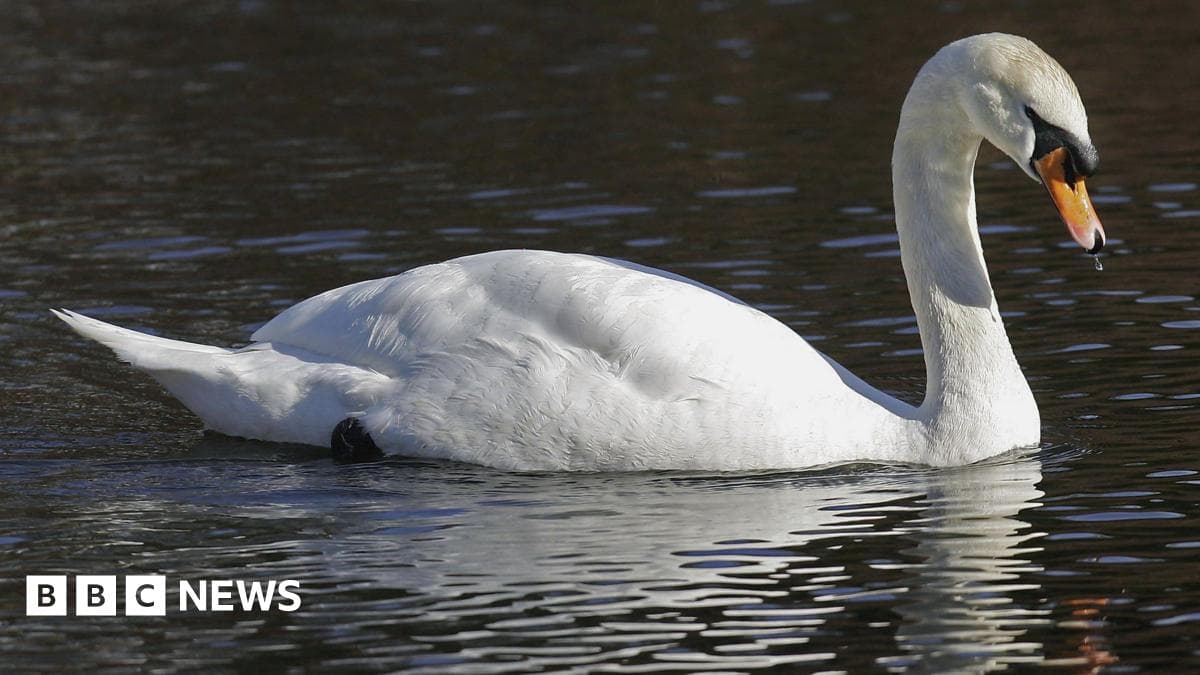
Bird Flu Fears Mount After Swans Found Dead in London Docklands
Concerns over a potential bird flu outbreak are escalating in London’s Docklands after more than 30 swans and other waterfowl have been recovered dead from the West India and Millwall docks, in the vicinity of Canary Wharf, prompting an urgent investigation by animal health officials. Authorities are awaiting test results to confirm if the highly pathogenic avian influenza (HPAI), commonly known as bird flu, is responsible for the sudden deaths, while urging the public to exercise caution and avoid contact with any sick or deceased birds. The grim discovery, which began surfacing over the past week, has led to a coordinated response involving local councils, the Animal and Plant Health Agency (APHA), and the Department for Environment, Food & Rural Affairs (Defra). Crews have been working diligently to recover the carcasses, primarily swans, from the waters and banks of the iconic docks, which are a popular habitat for various waterfowl and migratory birds, as well as being a hub for business and residential communities.“We are taking this situation extremely seriously and are working closely with national agencies to ascertain the cause of these unfortunate deaths,” stated Councillor Eleanor Vance, Cabinet Member for Environment and Public Health at Tower Hamlets Council. “The recovery of over 30 birds from West India and Millwall docks is a significant number, and while tests are ongoing, we are operating under the assumption that avian influenza may be a factor. Our immediate priority is public safety and containing any potential spread.”
Avian influenza is a viral disease that primarily affects birds, but certain strains can, in rare cases, infect humans. While the risk to the general public remains low, health officials consistently advise vigilance. Symptoms in birds can include neurological signs such as tremors, uncoordinated movements, or a twisted neck, as well as respiratory distress, lethargy, and sudden death. The virus spreads easily among birds through direct contact with infected birds or their droppings, or through contaminated feed, water, and equipment.Dr. Alistair Finch, a veterinary virologist specialising in avian diseases, highlighted the insidious nature of HPAI.
“Highly pathogenic avian influenza can decimate bird populations very rapidly. Wild birds, particularly waterfowl like swans and geese, are natural reservoirs and can carry the virus long distances, potentially infecting domestic poultry and other wildlife. The discovery in a densely populated urban area like the Docklands is concerning because of the proximity to both human activity and other susceptible bird populations. We await the APHA’s laboratory confirmations, but the clinical picture and mortality rate are certainly indicative of a serious viral pathogen.”Members of the public are being strongly advised not to touch any sick or dead birds they encounter. Instead, they should report such findings to the Defra helpline. Pet owners, particularly those with dogs, are also encouraged to keep their animals on leads in affected areas and prevent them from investigating bird carcasses. Good hygiene practices, such as thorough handwashing after contact with birds or outdoor environments, are also recommended. The Canal & River Trust, which manages many of the waterways in the area, confirmed it is cooperating fully with the investigation. A spokesperson for the Trust expressed sadness at the loss of the birds, many of which are well-known to local residents and visitors. They emphasised the importance of protecting the remaining wildlife and ensuring the safety of people using the towpaths and green spaces around the docks. The recent discovery follows a period of heightened bird flu activity across parts of the UK and Europe over the past few years, leading to culls of poultry and significant impacts on wild bird populations. While the specific strain affecting the London Docklands birds is yet to be confirmed, authorities are preparing for the possibility of H5N1, a strain that has been dominant in recent outbreaks.
A spokesperson for Defra confirmed that samples had been collected from the deceased birds and were undergoing testing at their national reference laboratory.
“Our priority is to determine the strain and pathogenicity of the virus responsible for these deaths. This information is crucial for guiding our response and advising on appropriate control measures. We are working around the clock and expect initial results within the next few days. In the interim, public health advice remains consistent: do not touch dead or visibly sick wild birds, and report them to our helpline.”Local residents expressed a mix of concern and sadness. "It's truly awful to see," commented Sarah Jenkins, a resident of Canary Wharf who regularly walks by the docks. "The swans are a beautiful part of this area, and to think they might be dying from bird flu right on our doorstep is worrying. I just hope they can get it under control quickly." As the investigation continues, local authorities are stepping up surveillance in parks and open spaces across Tower Hamlets, particularly those with significant waterfowl populations. Information campaigns are also being rolled out to ensure residents are aware of the risks and the correct reporting procedures. The coming days will be critical as officials await definitive laboratory results, which will determine the full extent of the threat and the necessary next steps to protect both public health and the region's wildlife.