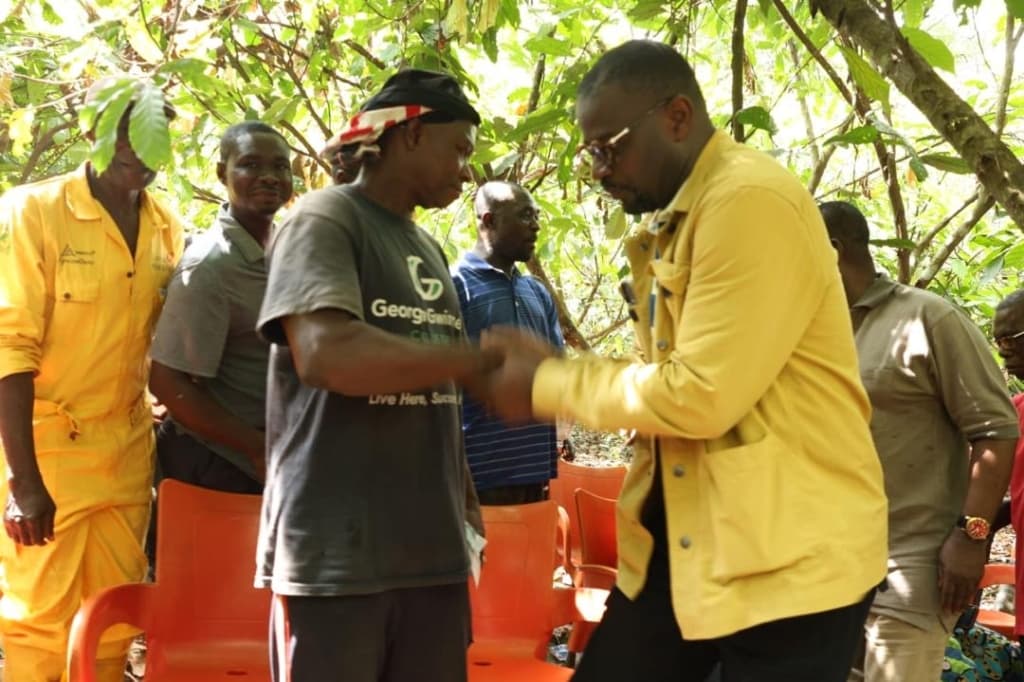
The Eastern Region is one of the major cocoa-producing areas in the country, with many farming communities relying heavily on cocoa production as their primary source of income. However, cocoa farmers in the region have been facing numerous challenges, including inadequate access to credit facilities, poor farming practices, and limited access to markets. The Minority Caucus's visit is seen as a positive step towards addressing these challenges and promoting the welfare of cocoa farmers in the region. As noted by Dr. Emmanuel Opoku, a cocoa expert at the University of Ghana, "the visit by the Minority Caucus is a welcome development, as it demonstrates the commitment of parliamentarians to understanding the concerns of cocoa farmers and working towards finding solutions to their problems."
Objectives of the Tour
The primary objective of the tour is to engage with cocoa farmers and gather information on the challenges they face in their daily operations. The delegation will visit various cocoa-growing communities in the region, where they will interact with farmers, farm owners, and other stakeholders in the cocoa industry. According to Frank Annoh-Dompreh, the Minority Chief Whip, "our goal is to gain a deeper understanding of the issues affecting cocoa farmers in the Eastern Region and to identify areas where we can provide support. We believe that by working together, we can find ways to address the challenges facing the cocoa industry and promote the welfare of farmers in the region." The delegation will also visit cocoa processing facilities and meet with officials from the Ghana Cocoa Board to discuss the current state of the industry and potential opportunities for growth and development.
"We are committed to supporting cocoa farmers in the Eastern Region and ensuring that they have access to the resources they need to succeed. Our visit is a demonstration of this commitment, and we look forward to working with stakeholders in the industry to promote the welfare of farmers and the growth of the cocoa sector," said Frank Annoh-Dompreh.
Expected Outcomes
The tour is expected to yield several outcomes, including a better understanding of the challenges facing cocoa farmers in the Eastern Region and the identification of potential solutions to address these challenges. The delegation will also use the information gathered during the tour to inform policy decisions that will benefit cocoa farmers and the sector as a whole. As noted by Dr. Opoku, "the visit by the Minority Caucus has the potential to lead to positive changes in the cocoa industry, particularly if the delegation is able to identify areas where policy interventions can make a meaningful difference. By working together, we can find ways to promote the welfare of cocoa farmers and support the growth of the industry." The tour may also lead to increased investment in the cocoa sector, as policymakers and stakeholders work together to address the challenges facing the industry and promote opportunities for growth and development.
In addition to its potential to promote positive change in the cocoa industry, the tour also demonstrates the commitment of the Minority Caucus to supporting cocoa farmers and the sector as a whole. As Frank Annoh-Dompreh noted, "our visit is a demonstration of our commitment to the welfare of cocoa farmers and the growth of the cocoa industry. We believe that by working together, we can find ways to address the challenges facing the industry and promote the welfare of farmers in the region." The tour is seen as a positive step towards promoting the welfare of cocoa farmers and supporting the growth of the cocoa industry, and it is expected to yield several benefits for farmers, policymakers, and stakeholders in the industry.
In conclusion, the tour of cocoa-growing areas in the Eastern Region by the Minority Caucus, led by Frank Annoh-Dompreh, is a significant development that has the potential to promote positive change in the cocoa industry. By engaging with cocoa farmers and gathering information on the challenges they face, the delegation can identify potential solutions to address these challenges and promote the welfare of farmers in the region. As the delegation continues its tour and gathers more information, it is likely that new opportunities for growth and development will emerge, and policymakers and stakeholders will be able to work together to promote the welfare of cocoa farmers and support the growth of the cocoa industry. As Dr. Opoku noted, "the future of the cocoa industry is bright, and with the support of policymakers and stakeholders, we can work together to promote the welfare of cocoa farmers and support the growth of the industry."