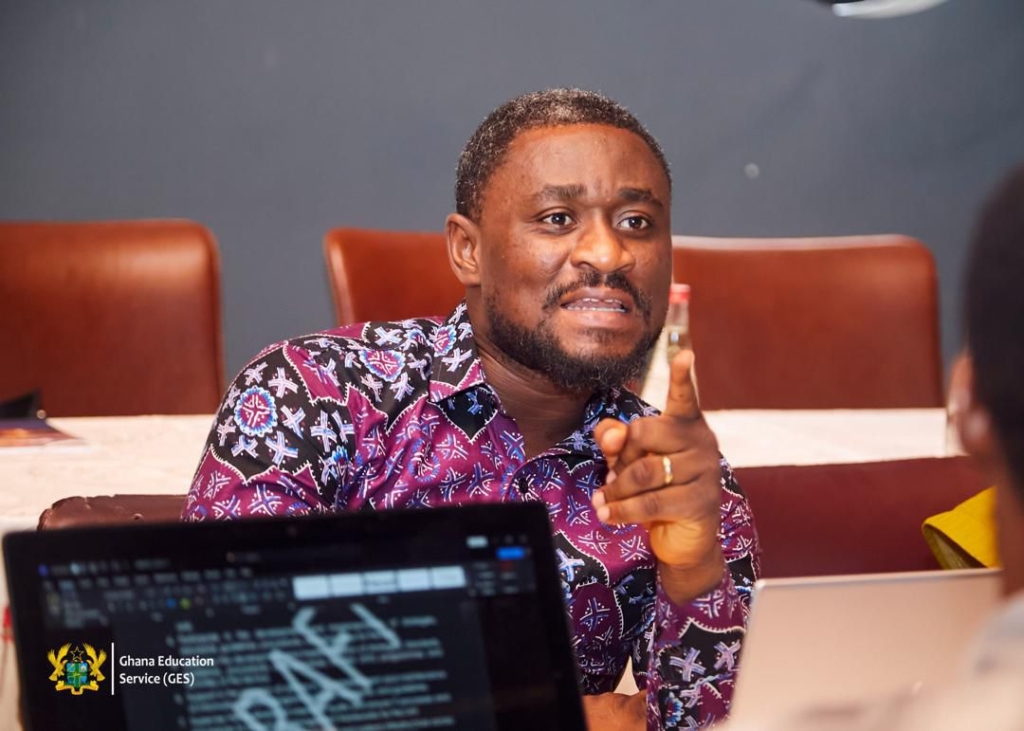
The debate over the implementation and impact of Ghana's Free Senior High School (Free SHS) policy has taken a new turn, with former Ministry of Education spokesperson, Yaw Opoku Mensah, coming to the defense of the policy's infrastructure expansion under the Akufo-Addo administration. This comes in response to criticisms by Education Minister Haruna Iddrisu, who suggested that the policy was rolled out without adequate infrastructure to support the surge in student enrollment. Opoku Mensah's rebuttal highlights the significant investments made in classroom infrastructure to support the flagship education program, contradicting claims of insufficient physical capacity to accommodate students.
At the heart of the controversy is the question of whether the Akufo-Addo administration adequately prepared for the increased demand on educational facilities when it introduced the Free SHS policy. According to Opoku Mensah, the government took proactive steps to expand infrastructure, ensuring that schools could accommodate the higher number of students. Opoku Mensah emphasized that these efforts were part of a broader strategy to enhance access to quality education for all Ghanaians, irrespective of their socio-economic background. "The data clearly shows that the government invested heavily in constructing new classrooms, dormitories, and other essential facilities to support the Free SHS policy. It's misleading to suggest that the policy's success was compromised by a lack of infrastructure," Opoku Mensah stated.
Infrastructure Expansion Efforts
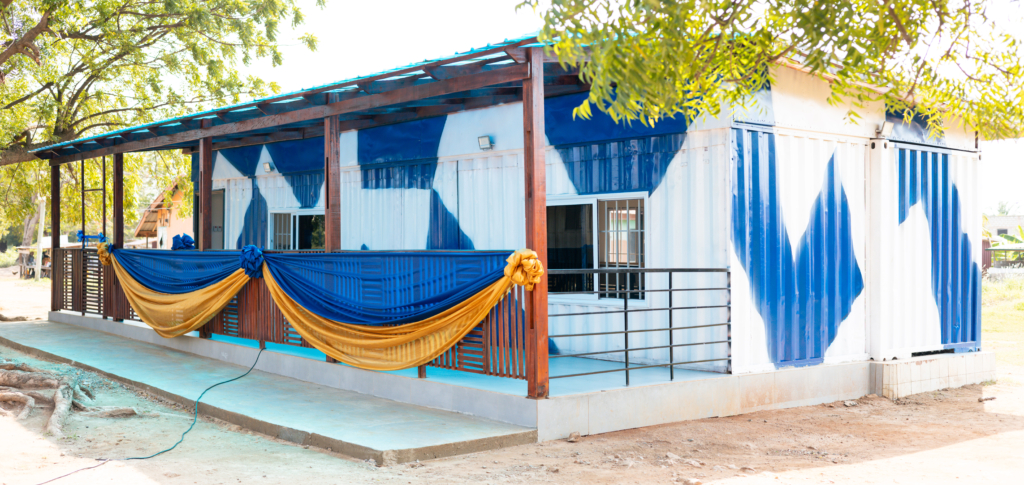
The Akufo-Addo administration's commitment to expanding educational infrastructure is documented in various government reports and statements. These documents outline a comprehensive approach to addressing the needs of schools, including the construction of new buildings, renovation of existing facilities, and the provision of educational materials and equipment.
"We recognized from the outset that the success of the Free SHS policy would depend on our ability to provide a conducive learning environment for all students. That's why we prioritized infrastructure development, working closely with schools and local communities to identify and address their specific needs,"said Dr. Kwame Amponsah, a former advisor to the Ministry of Education, reflecting on the government's strategy.
Experts and educators have weighed in on the debate, offering insights into the complexities of implementing a policy like Free SHS. Dr. Ama Serwaa Nerquaye-Tetteh, an education policy analyst, noted, "The introduction of the Free SHS policy marked a significant shift in Ghana's educational landscape. While challenges undoubtedly arose, it's crucial to acknowledge the efforts made to bolster school infrastructure and support students. The focus now should be on building upon these foundations to ensure the long-term sustainability and effectiveness of the policy."
Addressing Criticisms and Moving Forward
Despite the criticisms leveled by Education Minister Haruna Iddrisu, Opoku Mensah's defense of the Akufo-Addo administration's handling of the Free SHS infrastructure highlights the complexity of the issue. The government's investments in educational infrastructure are a matter of public record, and many schools have indeed benefited from new and renovated facilities. However, the debate also underscores the need for ongoing evaluation and improvement of the policy, to address any shortcomings and ensure that it meets its intended goals of providing quality, accessible education to all Ghanaian students.
As the discussion around the Free SHS policy continues, it is clear that there are varying perspectives on its implementation and impact. Opoku Mensah's intervention serves as a reminder of the importance of evidence-based discourse and the need to consider the full context of policy decisions. In moving forward, stakeholders, including government officials, educators, and the public, must engage in constructive dialogue to identify areas for improvement and work collaboratively to strengthen the educational system.
In conclusion, the exchange between Opoku Mensah and Haruna Iddrisu over the Free SHS policy's infrastructure expansion reflects the broader challenges and opportunities in Ghana's education sector. As the country strives to enhance its educational outcomes and provide opportunities for future generations, the lessons learned from the implementation of the Free SHS policy will be invaluable. By focusing on the facts, acknowledging achievements, and addressing challenges, Ghana can continue to make progress in its pursuit of quality, equitable education for all. The future of the Free SHS policy and its impact on the nation's development will depend on the ability of stakeholders to come together, build on existing foundations, and chart a forward-looking course that prioritizes the needs and aspirations of Ghanaian students.